About admin

Lorem ipsum dolor sit amet, consectetur adipiscing elit. Nam viverra euismod odio, gravida pellentesque urna varius vitae. Sed dui lorem, adipiscing in adipiscing et, interdum nec metus. Mauris ultricies, justo eu convallis placerat, felis enim ornare nisi vitae.
This Is A Custom Message You Can Customize In Your Admin!

Partnership UNITAR and Hiroshima

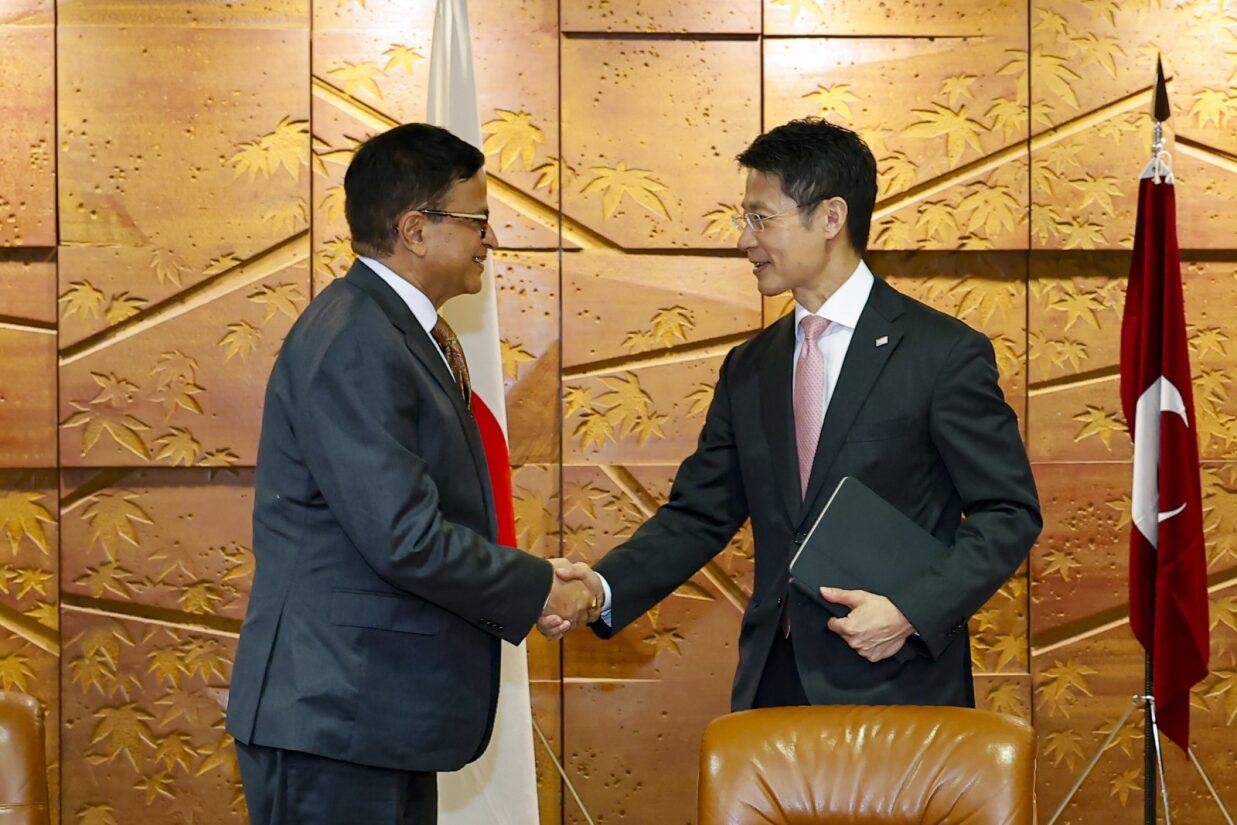
28 March 2024, Hiroshima, Japan – UNITAR and the Hiroshima Prefectural Government signed the Eighth Special Purpose Grant Agreement, for fiscal years 2024 to 2026.

Through the agreement, the two entities renewed the partnership that began in 2003 and the Hiroshima Prefectural Government committed to financially support UNITAR Hiroshima Office’s training programmes over the next three years.

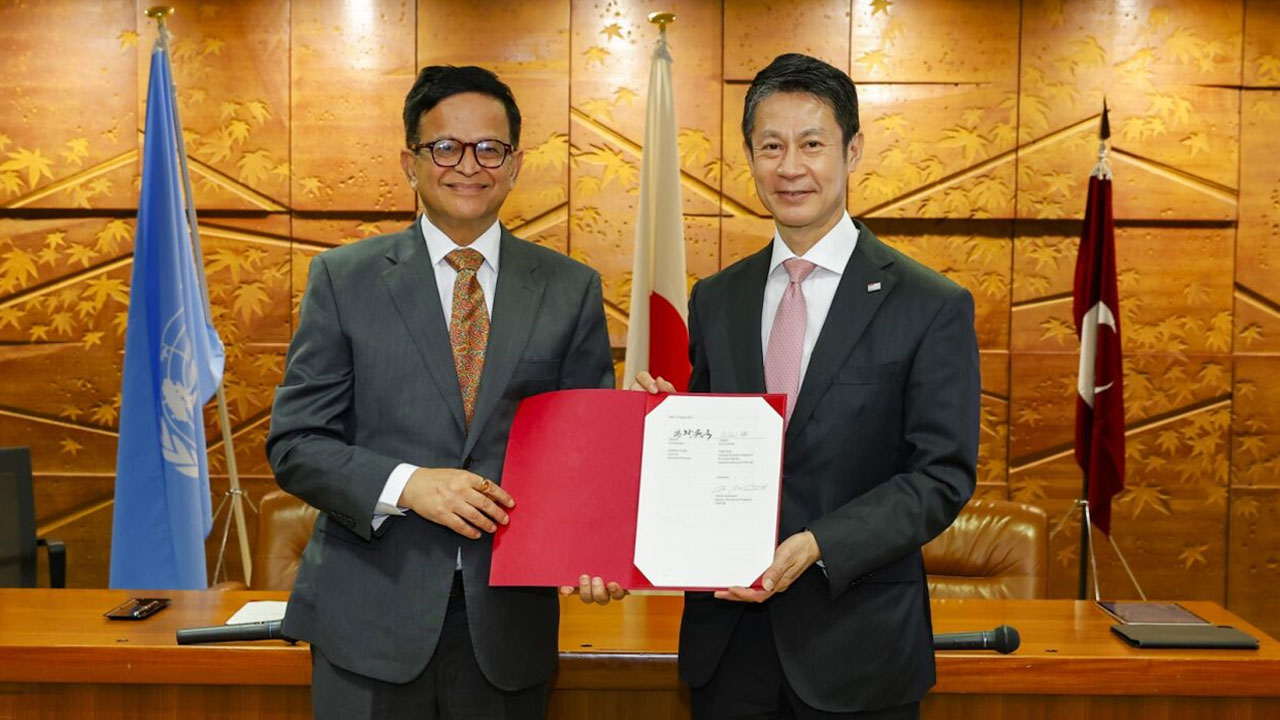
Mr Hidehiko Yuzaki, Governor of Hiroshima Prefecture, and Mr Nikhil Seth, United Nations Assistant Secretary-General and Executive Director of UNITAR signed the agreement at a ceremony held on 26 March 2024 at the Hiroshima Prefectural Government.

Mr. Yuzaki expressed his appreciation to the UNITAR Hiroshima Office and the staff for their tireless work over the past 20 years to make an impact on the world from Hiroshima.

We hope that with their training at the UNITAR Hiroshima Office, the learners will contribute to world peace and stability.” — Mr. Hidehiko Yuzaki, Governor of Hiroshima Prefecture

Mr. Seth conveyed his gratitude for the lasting friendship and commitment of the Hiroshima Prefectural Government and its support to UNITAR to serve those in need and realize a sustainable and prosperous world.

Support from the prefectural government has allowed us to benefit so many distressed people in distressed parts of the world. These people come to learn in Hiroshima. They go back not only with new knowledge and new skills, but the inspiration that the city of Hiroshima leaves them with.” Mr. Nikhil Seth, United Nations Assistant Secretary-General and UNITAR Executive Director

The Special Purpose Grant Agreement between the parties started in 2003 when UNITAR Hiroshima Office was established with the support of the Hiroshima Prefectural Government. To date, the Hiroshima Office has reached over 60,000 learners in least-developed countries, conflict and post-conflict states, and fragile states, as well as people living in Japan.
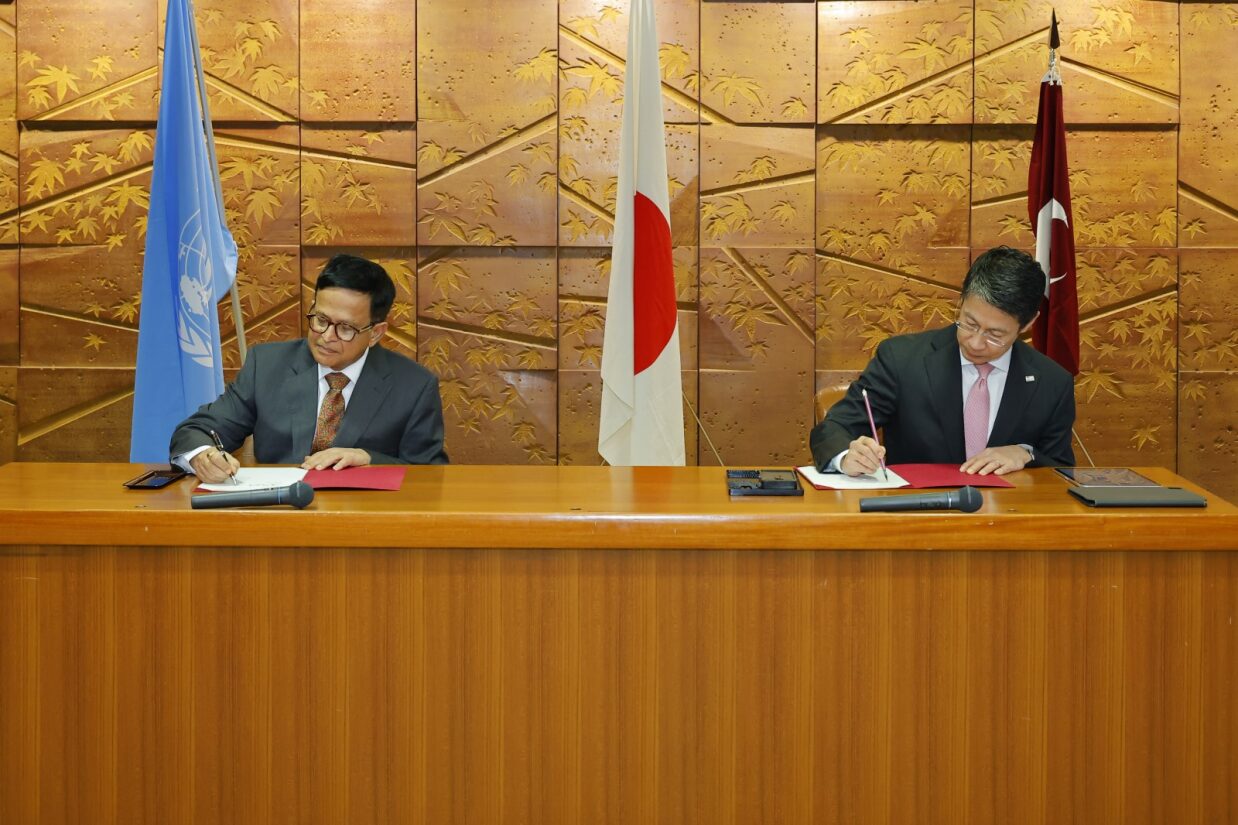
 

Mr. Nikhil Seth, United Nations Assistant Secretary-General and Executive Director of UNITAR and Mr. Hidehiko Yuzaki, Governor of Hiroshima Prefecture signing an agreement
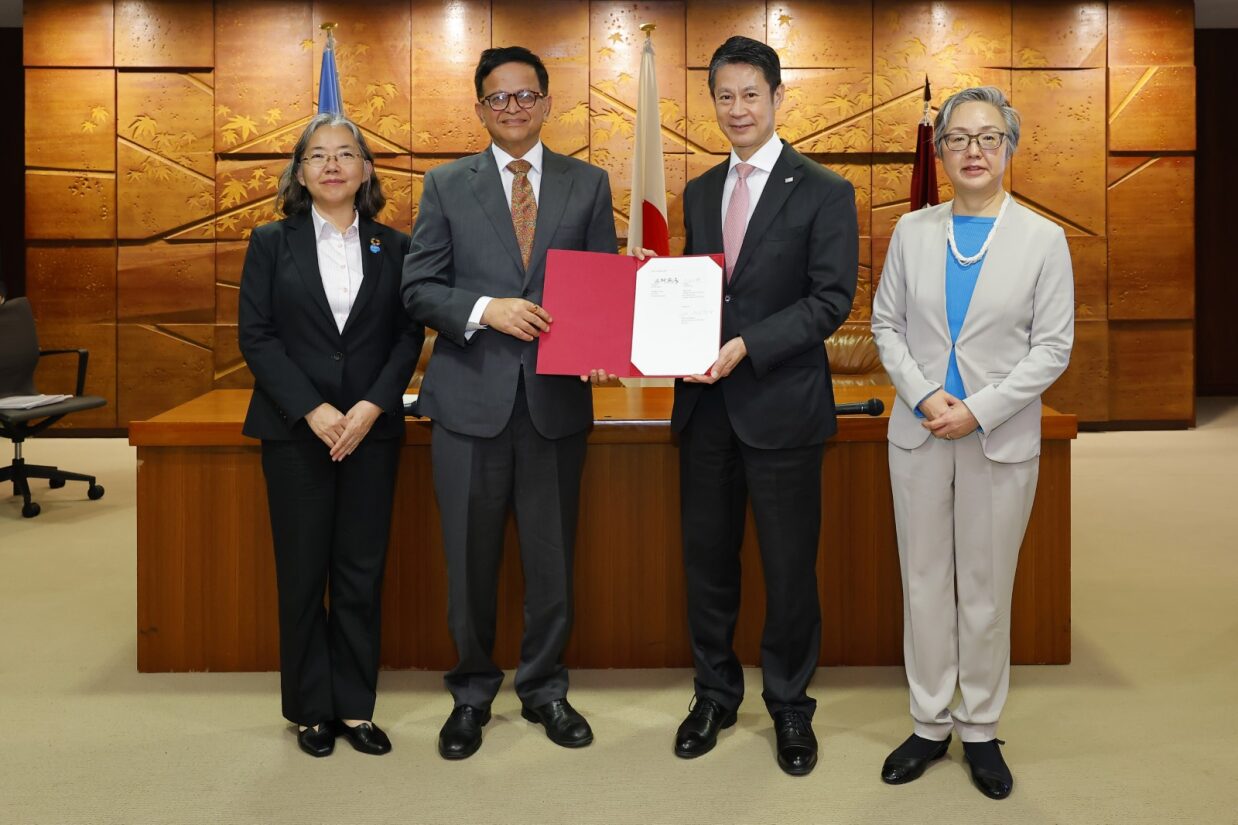
Ms. Chisa Mikami (Head of UNITAR Hiroshima Office), Mr. Nikhil Seth (United Nations Assistant Secretary-General and Executive Director of UNITAR), Mr. Hidehiko Yuzaki (Governor of Hiroshima Prefecture) and Ms. Mihoko Kumamoto (UNITAR Division for Prosperity Director)
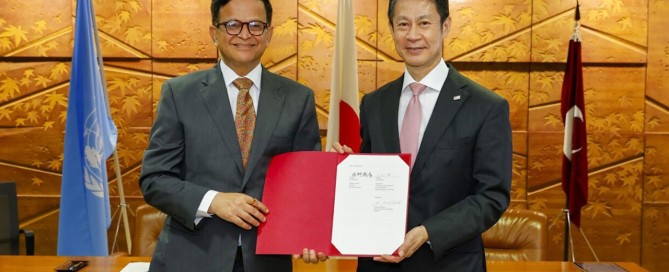
Mr. Nikhil Seth (United Nations Assistant Secretary-General and Executive Director of UNITAR), Mr. Hidehiko Yuzaki (Governor of Hiroshima Prefecture) handshake

ABOUT UNITAR

The United Nations Institute for Training and Research (UNITAR) is a dedicated training arm of the United Nations. In 2022, UNITAR trained over 395,000 learners around the world to support their actions for a better future. UNITAR has a global presence, with offices in Geneva, Hiroshima, New York and Bonn and networks around the world.

UNITAR Division for Prosperity offers world-class learning and knowledge-sharing services to present and future change-makers from around the world. Through our innovative training and learning opportunities – built on robust adult learning principles – we seek to promote sustainable, inclusive and just economic development and catalyse the creation of decent employment opportunities for all.

UNITAR Division for Prosperity supports youth and women in particular to address growing inequalities. We work in solidarity with diverse partners at the local, regional and global levels to propel the 2030 Agenda and Sustainable Development Goals and achieve an inclusive, sustainable and prosperous world.
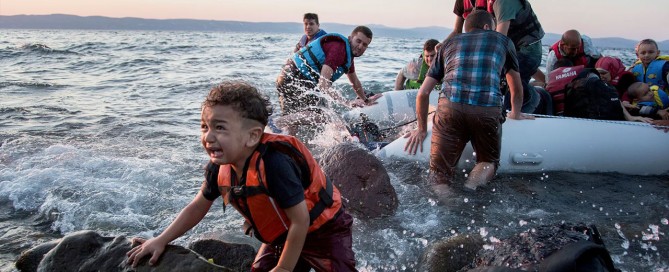
1 in 3 migrant deaths occurs in transit while fleeing conflict

Migrants and Refugees

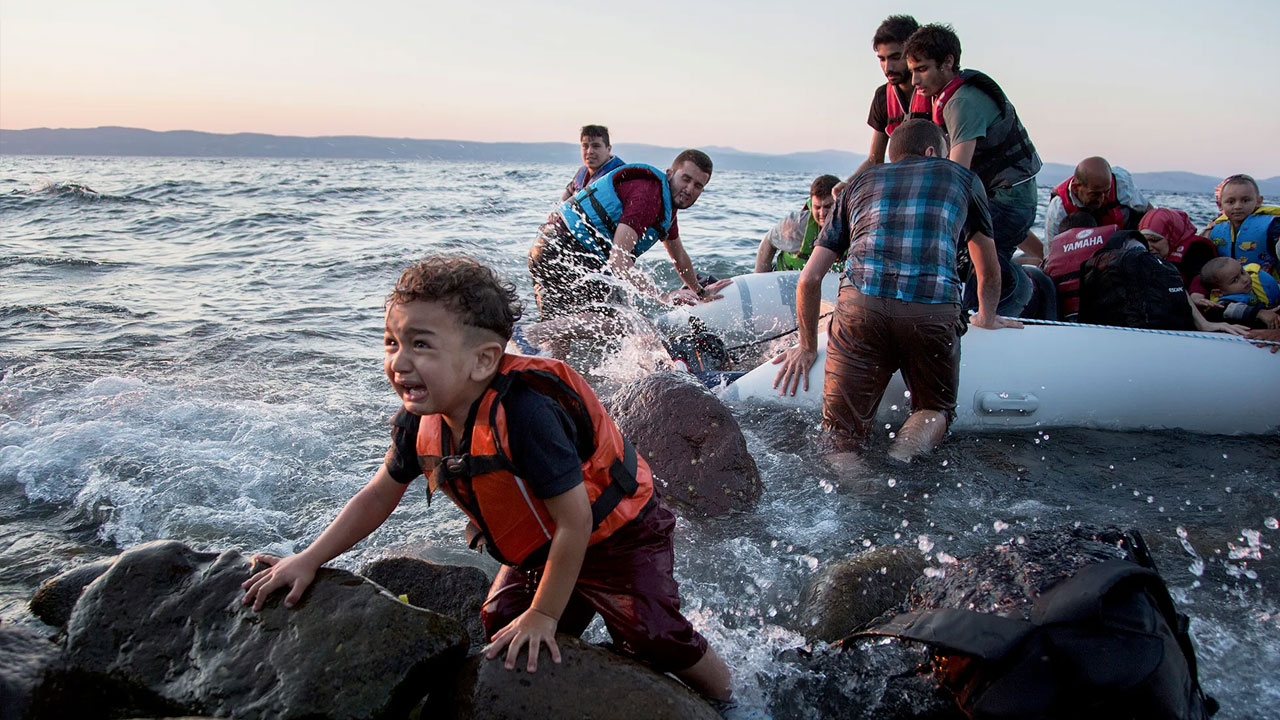
One in three migrant deaths happens while people flee conflict, the UN migration agency, IOM, said on Tuesday. More than two in three migrants whose deaths have been documented remain unidentified.

So far in 2024, the trends are just as alarming. Along the Mediterranean sea route alone – while arrivals this year are significantly lower (16,818) compared to the same period in 2023 (26,984) – the number of deaths is nearly as high as before, with 956 registered since 1 January.

Unidentified, under-reported 

IOM noted that that the number of unidentified deaths remains high – more than two in three migrants – leaving families and communities to grapple with the lack of clarity about what happened to a friend or relative. To date, the UN agency’s Missing Migrant Project data shows that the remains of 26,666 people who died while migrating have not been recovered.

“Despite the many lives lost whose identities remain unknown, we know that almost 5,500 females have perished on migration routes during the last 10 years and the number of identified children is nearly 3,500,” said Ugochi Daniels, IOM Deputy Director General for Operations, commenting on the recent findings. However, the report suggests, the true number of deaths of women and children is likely far higher: there are more than 37,000 dead for whom no information on sex or age is available.

Call for safe pathways 

More than one in three deceased migrants whose origin could be identified come from countries in conflict or with large refugee populations, the study finds. That highlights dangers faced by those attempting to flee conflict zones without safe pathways, the agency underscored. The deadliest route is the Central Mediterranean, where at least 23,092 people have died since 2014.

“The toll on vulnerable populations and their families urges us to turn the attention on the data into concrete action,” Ms. Daniels said, advocating for more detailed information collection that would facilitate creating safer migration routes for people fleeing conflict and distress in their home countries.

IOM has adopted a new Strategic Plan 2024-2028 that aims to save lives and protect people on the move as its first objective. To do so, the UN migration agency is calling on countries and other partners to work jointly to end migrant deaths and address the impacts of the tens of thousands of lives lost on migratory routes worldwide.

2024 March

15 – 19 /03 / 2024

WFO Administrative Meetings
Paris

How is the UN supporting Haiti right now

Peace and Security

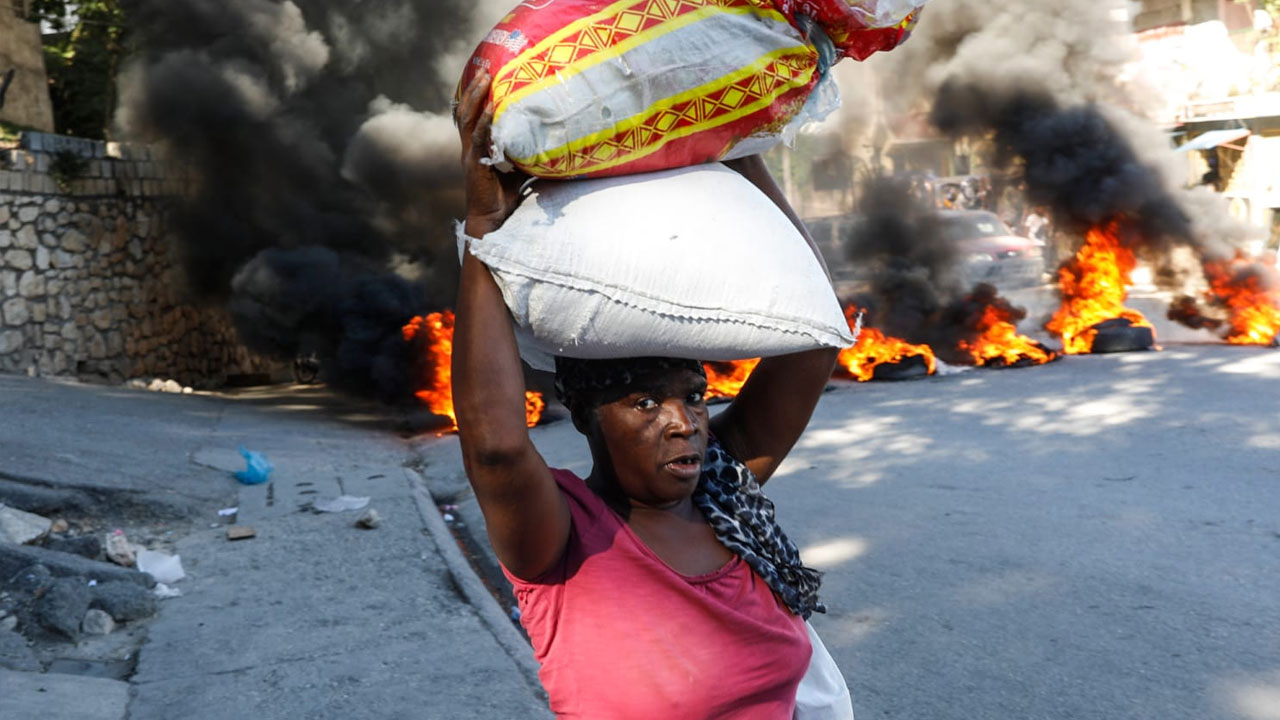
Haiti is in the grip of widespread gang violence, the country’s institutions are on the verge of collapse and its citizens are facing a daily fight for survival. Yet, in the midst of this catastrophic security and humanitarian crisis, the UN continues to provide critical assistance to the beleaguered population.

1. The context: Lawlessness and fear

While the situation in Haiti has long been characterized by lawlessness, with powerful gangs controlling much of the capital, Port-au-Prince, the months of January and February 2024 have been the most violent in the last two years, with over 2,500 people killed, kidnapped or injured since the start of the year. The decision of Prime Minister Ariel Henry, in March 2024, to step down has further complicated the situation.

On 21 March, Ulrika Richardson, the UN Humanitarian Coordinator in Haiti, warned that the violence is now spilling out into new areas of the capital, including formerly peaceful suburbs, following weeks of orchestrated gang attacks on prisons, ports, and hospitals. Ms. Richardson said that human rights violations are widespread; sexual violence, with the use of torture and “collective rape” against women, is rampant, she said.

The senior UN official described a growing humanitarian crisis, with over 362 000 internally displaced persons, a lack of clean water and less than half of health facilities in Port-au-Prince functioning at normal capacity.

Hunger has reached unprecedented levels, according to a new assessment released on 22 March and backed by the UN. According to the report, 4.97 million people face crisis or worse levels of acute food insecurity, including 1.64 million people facing “emergency” levels.

More and more people are attempting to leave the capital, risking passing through routes controlled by gangs. At least thirty-three thousand left to find refuge in the provinces in March, most of them heading to the Grand Sud departments, a region that already hosts more than 116,000 displaced persons.

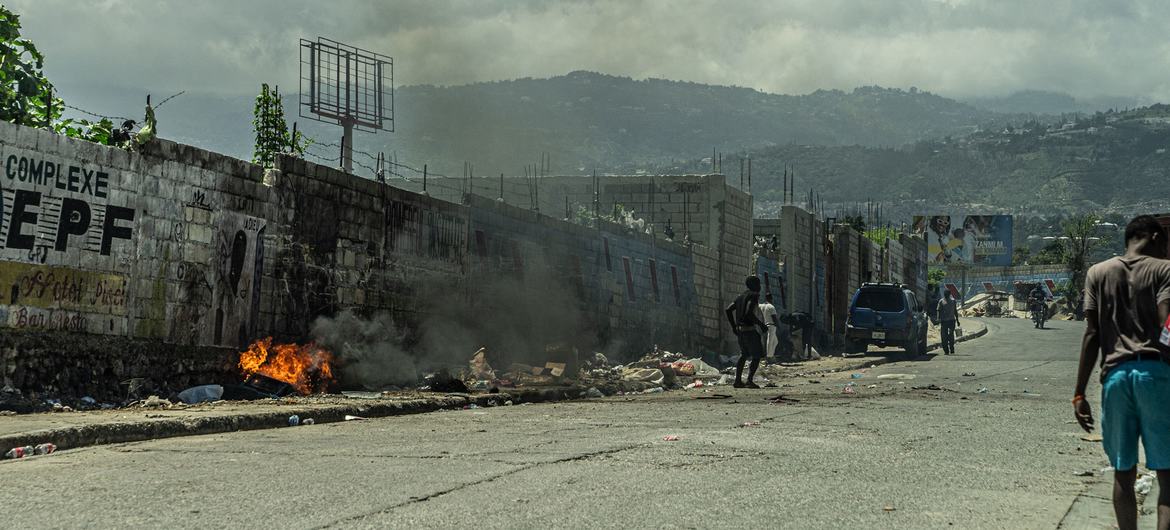
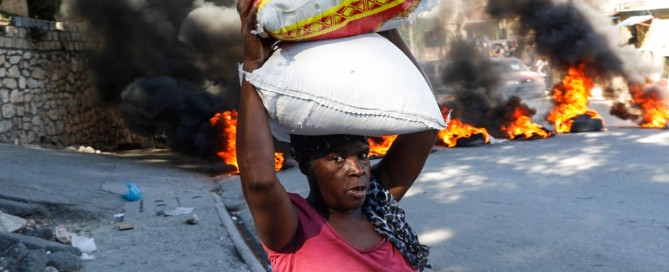
Fires burn on streets in the Cité Soleil area of Port-au-Prince.
© UNOCHA/Giles Clarke
Fires burn on streets in the Cité Soleil area of Port-au-Prince.

2. The humanitarian response: Delivering under fire

Since the beginning of the latest crisis, marked by a series of coordinated gang attacks at the end of February across Port-au-Prince that led to a state of emergency and the eventual resignation of Prime Minister Henry, UN workers have continued to distribute aid to the civilian population despite the hazardous security conditions.

The World Food Programme (WFP) has distributed some 160,000 hot meals, while the World Health Organization (WHO) has delivered a range of essential health supplies, and planes from the UN Humanitarian Air Service (UNHAS) have flown in around 800kg of blood pouches.

The UN, along with partners, has been trying to address the lack of access to clean water: for example, between 16-18 March UNICEF and the NGO Solidarités International delivered 20,500 gallons of water to four sites that are home to over 12,000 displaced people while between 17 and 20 March, the UN migration agency IOM delivered 16,000 gallons of water to two sites.

Support from the UN reproductive health agency, UNFPA, and partner NGOs is being provided to victims of gender-based violence, in the form of a hotline providing psychosocial assistance, and a sexual and reproductive health/sexual and gender-based violence mobile clinic in one of the sites for internally displaced persons.

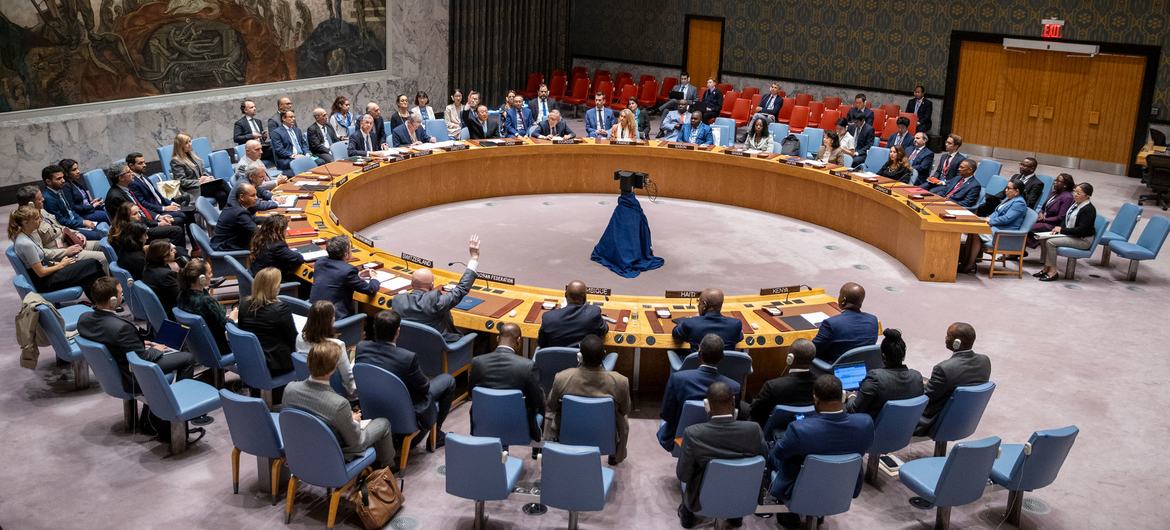
The Security Council adopts a resolution authorizing the creation of a Multinational Security Support (MSS) mission in Haiti in October 2023.
UN Photo/Paulo Filgueiras
The Security Council adopts a resolution authorizing the creation of a Multinational Security Support (MSS) mission in Haiti in October 2023.

3. The multilateral response

Finding a way to end the Haitian crisis has been the subject of several high-level UN meetings. On 21 March the Security Council, the UN organ charged with maintaining international peace and security, issued a press statement reiterating its members support for a “Haitian-led, Haitian-owned political process”, and stressed the need for the international community to redouble its efforts to provide humanitarian assistance to the population and to support the Haitian National Police. The members of the Security Council also expressed grave concern at the illicit flow of arms and ammunition into Haiti that remains, they said, a fundamental factor of instability and violence.

Back in October 2023, the Security Council authorized the deployment of a multinational security support (MSS) mission to Haiti at the request of the then government. The resolution was hailed at the time as a historic first, although the mission has yet to be deployed.

4. Funding: A massive gap to fill

In the meantime, several senior officials from the UN System continue to call for a significant uptick in funding for the humanitarian effort.

On Thursday, Ms. Richardson noted that the humanitarian response plan for Haiti, which requires $674 million, is only six per cent funded. “Time is running out,” she said.

Earlier in March, Cindy McCain, the head of the World Food Programme, warned that the aid effort was “running on fumes”.

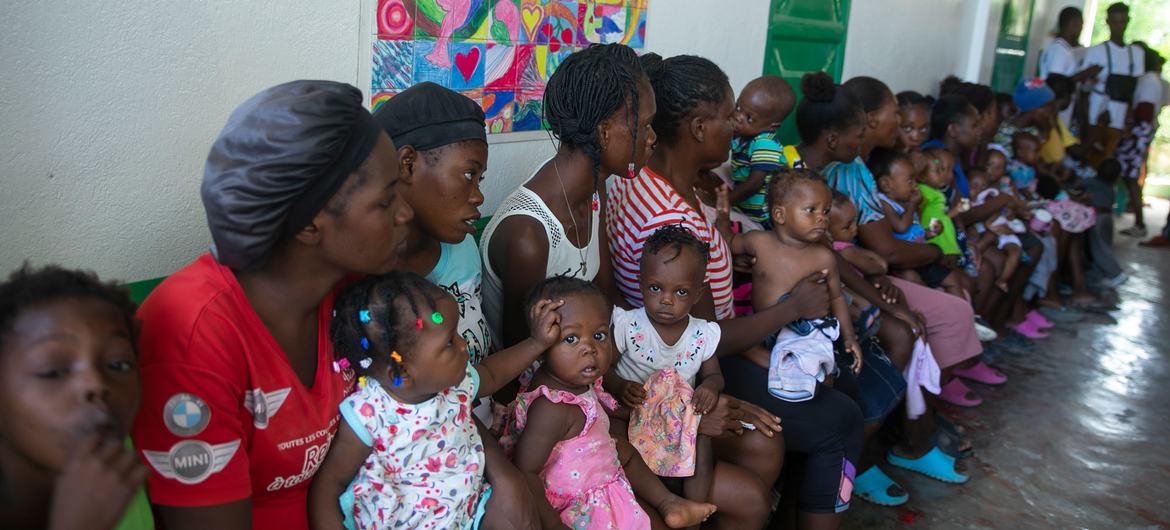
Women and their children wait at a UNICEF-supported mobile clinic in Port-au-Prince, Haiti. (file)
© UNICEF/Odelyn Joseph
Women and their children wait at a UNICEF-supported mobile clinic in Port-au-Prince, Haiti. (file)

5. An uncertain future

The MSS mission to bolster the understaffed and under resourced Haitian National Police is expected to be led by Kenya, with troops also promised by several Caribbean countries. The US has pledged some $300 million, according to media reports.

Although this is not a UN mission, it has been authorized by a Security Council resolution.

However, while there is widespread agreement that Haiti urgently needs help to bring about a secure and stable environment, the mission was thrown into disarray by Mr. Henry’s resignation, which prompted Kenya to announce that it would delay the deployment until the announcement of a new Haitian government.

According to media reports, political groups are close to agreeing on a transitional council that would take over presidential powers until elections can be held. It is unclear if and when the council will take power or when the security mission will begin operating on Haitian soil.

13 years of conflict in Syria, children need help

Prolonged exposure to conflict and deprivation taking a devastating long-term physical and mental toll on generation of children

14 March 2024

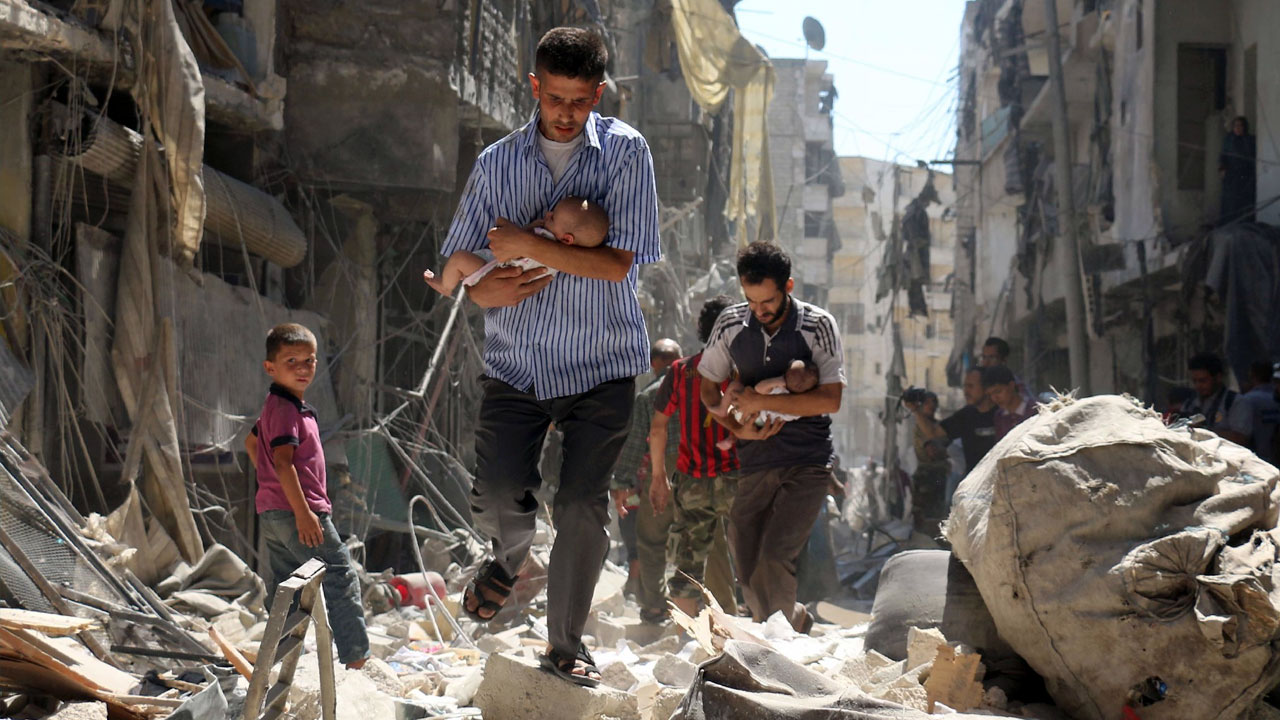
DAMASCUS/AMMAN 15 March 2024 – After thirteen years of conflict in Syria, almost 7.5 million children in the country are in need of humanitarian assistance – more than at any other time during the conflict. Repeated cycles of violence and displacement, a devastating economic crisis and extreme deprivation, disease outbreaks and last year’s devastating earthquakes have left hundreds of thousands of children exposed to long-term physical and psychosocial consequences.

More than 650,000 children under the age of five are chronically malnourished – an increase of around 150,000 in the four years since 2019. Chronic malnutrition, or stunting, causes irreversible damage to the physical and cognitive development of children, impacting their capacity to learn, their productivity, and their earnings later in adulthood.

According to a recent household survey conducted in northern Syria, 34 per cent of girls and 31 per cent of boys reported psychosocial distress. Similarly, the rapid assessments conducted in earthquake-affected areas reported an even higher percentage of children exhibiting severe behavioural psychological distress (83 per cent of respondents.)

“The sad reality is that today and, in the days ahead, many children in Syria will mark their 13th birthdays, becoming teenagers, knowing that their entire childhood to date has been marked by conflict, displacement and deprivation,” said UNICEF Regional Director for the Middle East and North Africa Adele Khodr. “Ultimately, children need a chance. They need a long-term peaceful solution to the crisis, but we cannot just wait for that to happen. In the meantime, it is critical to ensure that children and families not only have access to basic services but also that we are equipping children with the skills to build their own futures.”

Syria. A boy stands by the remains of collapsed buildings in Jableh district, northwestern Syria.

Whilst Syria no longer regularly makes international headlines, the conflict continues to devastate the future of children and their lives. A recent wave of violence that began in the past six months in several localities is the worst the country has seen for four years.  More than 13 million Syrians – roughly half the pre-conflict population – are displaced inside or outside Syria and unable to return to their homes. More than two-thirds of the population are in need of humanitarian assistance. Humanitarian funding has dropped to an all-time low, both inside Syria itself and for Syrians in neighbouring countries. Nearly half of the 5.5 million school-aged children – some 2.4 million children aged 5-17 – are out of school.

“A generation of children in Syria have already paid an unbearable price for this conflict,” said Khodr. “Continued support from the international community is critical for restoring systems to deliver essential basic social services, like education, water and sanitation, health, nutrition, child and social protection, ensuring that no child in Syria is left behind”.

In 2023, UNICEF reached 15.8 million people, including 10 million children, with essential services and supplies across Syria. Of the people reached, 5.6 million had been affected by the earthquakes. This included 3.2 million children. UNICEF and partners reached more than 3.1 million with essential nutrition services in 2023. Across Syria, almost 560,000 children were reached with Mental Health and Psychosocial support activities.

In 2024, UNICEF requires US$ 401.7 million to provide an essential lifeline to 8.5 million people, including 5.4 million children. The greatest funding requirements are for WASH, health, and education, while protection continues to be a high priority.

Global child deaths reach historic low in 2022

GENEVA/NEW YORK/WASHINGTON, 13 March 2024 – The number of children who died before their fifth birthday has reached a historic low, dropping to 4.9 million in 2022, according to the latest estimates released today by the United Nations Inter-agency Group for Child Mortality Estimation (UN IGME).

“Behind these numbers lie the stories of midwives and skilled health personnel helping mothers safely deliver their newborns, health workers vaccinating and protecting children against deadly diseases, and community health workers who make home visits to support families to ensure the right health and nutrition support for children,” said UNICEF Executive Director Catherine Russell. “Through decades of commitment by individuals, communities, and nations to reach children with low-cost, quality, and effective health services, we’ve shown that we have the knowledge and tools to save lives.”

The report reveals that more children are surviving today than ever before, with the global under-5 mortality rate declining by 51 per cent since 2000. Several low- and lower-middle-income countries have outpaced this decline, showing that progress is possible when resources are sufficiently allocated to primary health care, including child health and well-being. For example, the findings show that Cambodia, Malawi, Mongolia, and Rwanda have reduced under-5 mortality by over 75 per cent since 2000.

But the findings also show that despite this progress, there is still a long road ahead to end all preventable child and youth deaths. In addition to the 4.9 million lives lost before the age of 5 – nearly half of which were newborns – the lives of another 2.1 million children and youth aged 5-24 were also cut short. Most of these deaths were concentrated in sub-Saharan Africa and Southern Asia.

This tragic loss of life is primarily due to preventable or treatable causes, such as preterm birth, complications around the time of birth, pneumonia, diarrhoea, and malaria. Many lives could have been saved with better access to high-quality primary health care, including essential, low-cost interventions, such as vaccinations, availability of skilled health personnel at birth, support for early and continued breastfeeding, and diagnosis and treatment of childhood illnesses.

“While there has been welcome progress, every year millions of families still suffer the devastating heartbreak of losing a child, often in the very first days after birth,” said WHO Director General, Dr Tedros Adhanom Ghebreyesus. “Where a child is born should not dictate whether they live or die. It is critical to improve access to quality health services for every woman and child, including during emergencies and in remote areas.”

Improving access to quality health services and saving children’s lives from preventable deaths requires investment in education, jobs, and decent working conditions for health workers to deliver primary health care, including community health workers.

As trusted community members, community health workers play an important role in reaching children and families in every community with life-saving health services like vaccinations, testing and medicine for deadly yet treatable illnesses, and nutrition support. They should be integrated into primary health care systems and paid fairly, well trained, and equipped with the means to provide the highest quality of care.

Studies show that child deaths in the highest-risk countries could drop substantially if community-based child survival interventions could reach those in need. This package of interventions alone would save millions of children and would deliver care closer to home. Integrated management of childhood illnesses – especially the leading causes of post-neonatal death, acute respiratory infections, diarrhoea, and malaria – is needed to improve child health and survival.

“This year’s report is an important milestone showing that less children die before their fifth birthday,” said Dr. Juan Pablo Uribe, Global Director for Health, Nutrition and Population, World Bank & Director, Global Financing Facility for Women, Children and Adolescents. “But this is simply not enough. We need to accelerate progress with more investments, collaboration and focus to end preventable child deaths and honor our global commitment. We owe it to all children to ensure they have access to the same health care and opportunities, regardless of where they are born.”

While the global numbers show welcome signs of progress, there are also substantive threats and inequities that jeopardize child survival in many parts of the world. These threats include increasing inequity and economic instability, new and protracted conflicts, the intensifying impact of climate change, and the fallout of COVID-19, which could lead to stagnation or even reversal of gains and the continued needless loss of children’s lives. Children born into the poorest households are twice as likely to die before the age of 5 compared to the wealthiest households, while children living in fragile or conflict-affected settings are almost three times more likely to die before their fifth birthday than children elsewhere.

“The new estimates show that strengthening access to high-quality health care, especially around the time of birth, helps to reduce mortality among children under age 5,” said Li Junhua, United Nations Under-Secretary-General for Economic and Social Affairs. “While the milestones in the reduction of child mortality are important to track progress, they should also remind us that further efforts and investments are needed to reduce inequities and end preventable deaths among newborns, children and youth worldwide.”

At current rates, 59 countries will miss the SDG under-5 mortality target, and 64 countries will fall short of the newborn mortality goal. That means an estimated 35 million children will die before reaching their fifth birthday by 2030—a death toll that will largely be borne by families in sub-Saharan Africa and Southern Asia or in low- and lower-middle-income countries.

The report also notes large gaps in data, particularly in sub-Saharan Africa and Southern Asia, where the mortality burden is high. Data and statistical systems must be improved to better track and monitor child survival and health, including indicators on mortality and health via household surveys, birth and death registration through Health Management Information Systems (HMIS), and Civil Registration and Vital Statistics (CRVS).

About UNICEF

UNICEF works in some of the world’s toughest places, to reach the world’s most disadvantaged children. Across more than 190 countries and territories, we work for every child, everywhere, to build a better world for everyone.

Follow UNICEF on TwitterFacebookInstagram and YouTube


5 ways to accelerate women’s economic empowerment

7 March 2024Women

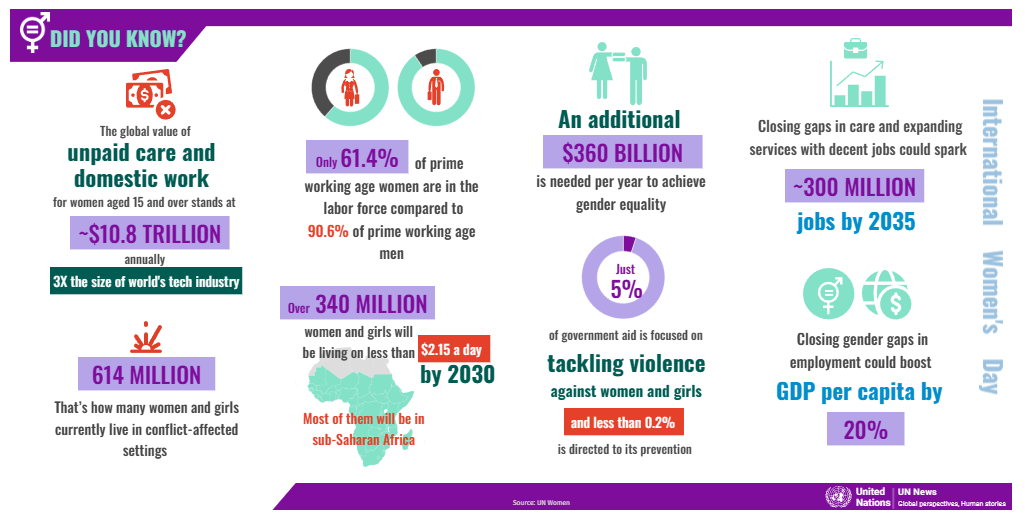
At the current rate of investment, more than 340 million women and girls will still live in extreme poverty by 2030, according to UN Women. As the world celebrates International Women’s Day on 8 March by investing in women, we look at what needs to be done to improve the economic situation of women around the world.

“This year’s theme – invest in women – reminds us that ending the patriarchy requires money on the table,” UN Secretary-General António Guterres said in a statement for the International Day.

“This all depends on unlocking finance for sustainable development so that countries have funds available to invest in women and girls,” he said, calling for action to support programmes to end violence against women and to drive women’s inclusion and leadership in economies, digital technologies, peacebuilding and climate action.

Right now, the world needs an additional $360 billion per year for developing countries to address gender equality under the Sustainable Development Goals (SDGs) of the 2030 Agenda for Sustainable Development.

While increasing women’s share of assets and finance is vital for their economic empowerment, equally important is building institutions that promote public investment in social goods and sustainable development.

Here are five things guaranteed to accelerate women’s economic empowerment:

1. Resources: Ramp it up

Connecting women with financial resources can help them meet their basic needs and start or grow businesses, but micro, small, and medium-sized female-owned businesses are underfunded by $1.7 trillion. Closing the credit gap for women owned small and medium enterprises would result in a 12 per cent increase in annual incomes on average by 2030.

In addition, women need access to land, information, technology and natural resources. In 2022, 2.7 billion people still lacked internet access, which is fundamental for getting a job or starting a business.

Despite the fact that more than one third of working women are employed in agricultural industries, they are also less likely than men to own or have secure rights for agricultural land in 87 per cent of countries where data is available.

When women do have equal rights to access, own and use resources, they can invest in themselves by improving their wellbeing, education, starting a business or exercising agency over their income to build a society that works for them.

For example, in many contexts women’s economic empowerment reduces gender-based violence, increases political and social participation and leadership and facilitates disaster risk reduction.


2. Wanted: Jobs

When women thrive in the world of work, they are better positioned to exercise their agency and realize their rights, but not just any job will do. Work must be productive and in conditions of freedom, equity, security and dignity.

Nearly 60 per cent of women’s employment globally is in the informal economy, and in low-income countries, it is more than 90 per cent. Even when women do have jobs, they are paid on average 80 cents for every dollar earned by men and even less for some, including women of colour and mothers.

Gender inequality in earnings alone costs the world more than twice the value of global GDP in terms of human capital wealth.

Measures such as pay transparency, equal pay for work of equal value and access to care services can help close the gender pay gaps in pay leading to gender equality in the workplace. When women entrepreneurs are successful, they can create jobs and drive innovation.

The world could see a 20 per cent increase in GDP by closing gender gaps in employment.


3. Time: Finding work-life balances

Everyone requires care in their lifetime. The existing social organization of care reflects profound inequalities of status and power and often exploits the labour of women and girls. On average, women spend around three times more time on unpaid care and domestic work than men.

The gendered disparities in unpaid care work are a profound driver of inequality, restricting women’s and girls’ time and opportunities for education, decent paid work, public life, rest and leisure.

Care work remains undervalued and underpaid. The monetary value of women’s unpaid care work globally is at least $10.8 trillion annually, three times the size of the world’s tech industry.

Investing to transform care systems is a triple win: it allows women to reclaim their time while creating jobs in the care sector and increasing access to care services for those that need them.

It is estimated that closing existing gaps in care services and expanding decent work programmes would create almost 300 million jobs by 2035.

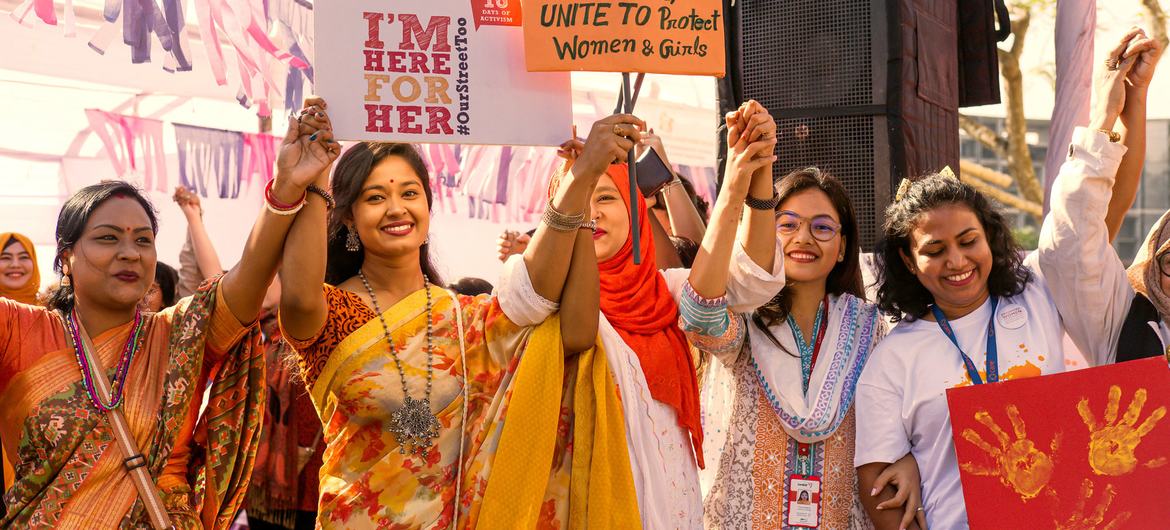
Orange the World: People gathered at the Cox's Bazaar cultural centre in Bangladesh during UN Women's 16 Days of Activism campaign.

© UN Women/Magfuzur Rahman Shan

Orange the World: People gathered at the Cox’s Bazaar cultural centre in Bangladesh during UN Women’s 16 Days of Activism campaign.

4. Calling for security

Women face numerous threats to their security, including gender-based violence, conflict, food insecurity and a lack of social protection. Violence at home or in the workplace is a violation of women’s rights and impedes their economic participation.

The global cost of violence against women is estimated to be at least $1.5 trillion or approximately two per cent of global gross domestic product.

The number of women and girls living in conflict-affected countries reached 614 million in 2022, 50 per cent higher than the number in 2017. Such crises can exacerbate pre-existing economic disparities, such as women’s disproportionate share of unpaid care work. Crises also deepen inequalities among women; for example, migrant women are twice as likely to experience violence than non-migrants.

Research suggests gender-responsive social protection systems like cash transfers can reduce mortality rates among women, demonstrating the links between economic empowerment and security.

No matter what form it takes, insecurity hinders women’s economic empowerment, traps them in poverty, and prevents them from realizing their rights and potential. It is critical to bring together diverse stakeholders, including in the private sector, and challenge social norms that value women as inferior to men as economic actors.

5. Protecting rights

Human rights are at the core of women’s economic empowerment. Unjust, patriarchal economic systems perpetuate gender inequality, and discriminatory social norms stand in the way of women’s access to information, networks, jobs and assets.

Globally, on average, women have only 64 per cent of the legal rights enjoyed by men. Key strategies to promote women’s rights in the context of economic empowerment include adoption of laws and policies that support women’s economic empowerment and repeal of discriminatory laws and legal frameworks.

While acknowledging the intrinsic value of women’s economic empowerment, which has human rights at its core, it is also important to account for the great costs of constraints on women’s economic empowerment on societies and economies.

The protection and support for women human rights defenders and accountability for human rights abuses are needed. This requires documenting women’s rights abuses, collecting sex disaggregated data and developing partnerships for joint advocacy programmes.

It is necessary to develop and implement accountability mechanisms to protect women’s rights and ensure that women’s voices are amplified in all spaces of decision making.


Learn more about how the UN is helping women around the world here.

♦ Receive daily updates directly in your inbox – Subscribe here to a topic.

♦ Download the UN News app for your iOS or Android devices.

2024 February

5 – 9 / 02 /2024

62nd session of the Commission for Social Development (CSocD62)
United Nations – New York

21 – 24 /02/2024

WFO Administrative Meetings
Paris

24 – 29 /02/2024

WFO official visit to Tunisia
Tunes – Tunisia

2024 January

17/01/2024

WFO Administrative Meetings
Paris

24/01/2024

WFO Administrative Meetings
Paris
Go to Top