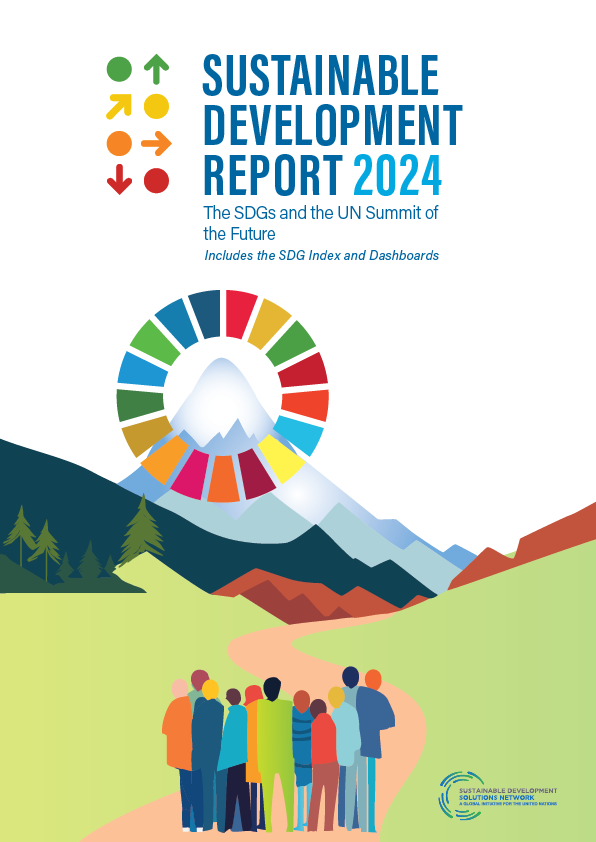

Sustainable Development Report 2024 The SDGs and the UN Summit of the Future
Today the UNToday the UN Sustainable Development Solutions Network (SDSN) releases the 9th edition of the Sustainable Development Report (SDR). Since 2015, the SDR, which includes the SDG Index and Dashboards, provides the most up-to-date data to track and rank the performance of all UN Member States on the Sustainable Development Goals (SDGs).
This year’s edition includes a new Index of countries’ support for UN-based multilateralism covering all 193 UN Member States and new FABLE pathways demonstrating how to achieve sustainable food and land systems by mid-century. In addition, the report’s first chapter, endorsed by 100+ leading scientists and practitioners worldwide, identifies priorities to upgrade the United Nations to meet the great challenges of the 21st Century and achieve sustainable development, including five strategies to address the chronic shortfalls in SDG financing. Sustainable Development Solutions Network (SDSN) releases the 9th edition of the Sustainable Development Report (SDR). Since 2015, the SDR, which includes the SDG Index and Dashboards, provides the most up-to-date data to track and rank the performance of all UN Member States on the Sustainable Development Goals (SDGs).
This year’s edition includes a new Index of countries’ support for UN-based multilateralism covering all 193 UN Member States and new FABLE pathways demonstrating how to achieve sustainable food and land systems by mid-century. In addition, the report’s first chapter, endorsed by 100+ leading scientists and practitioners worldwide, identifies priorities to upgrade the United Nations to meet the great challenges of the 21st Century and achieve sustainable development, including five strategies to address the chronic shortfalls in SDG financing.
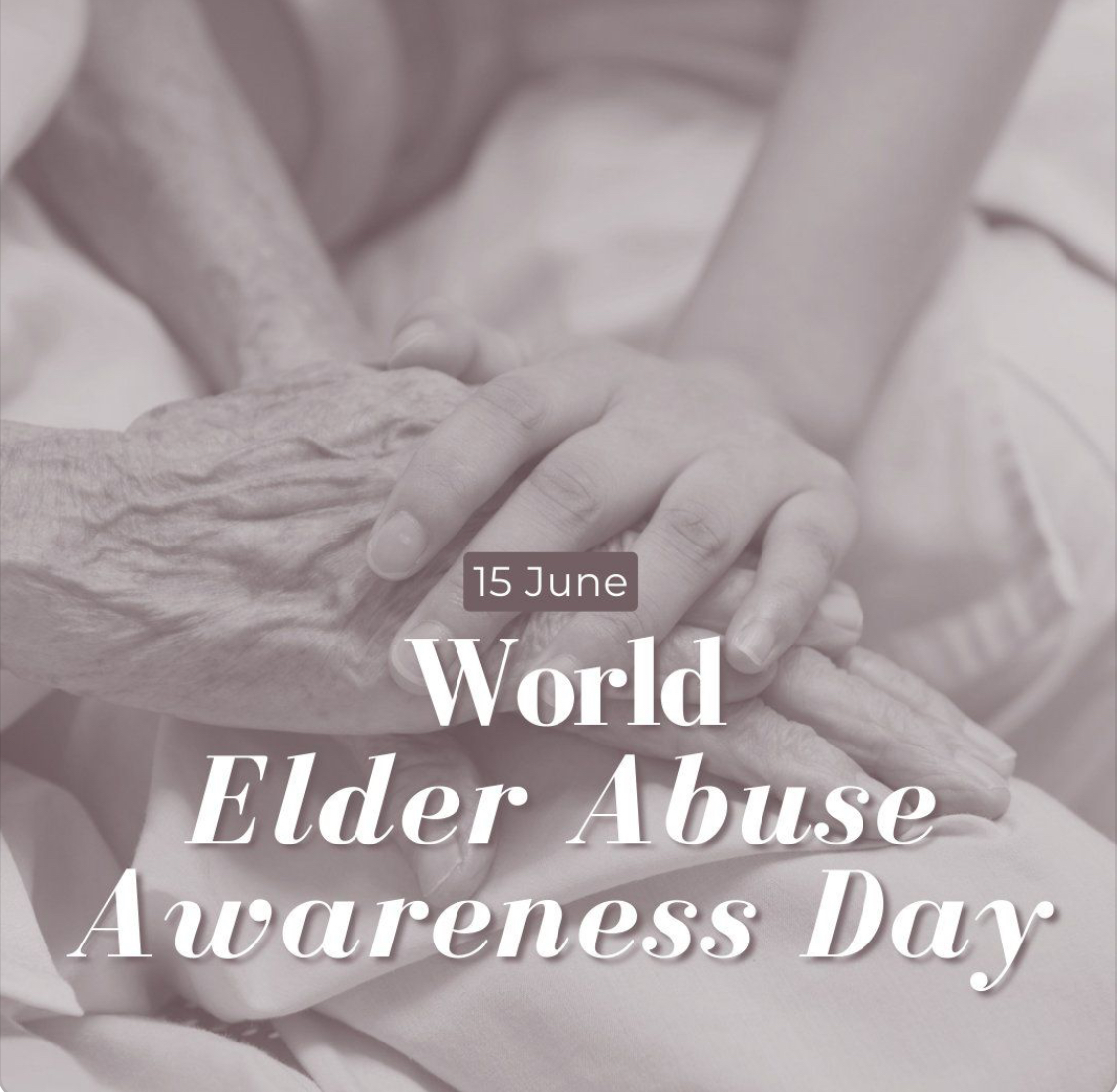
May 15, World Elder Abuse Awareness Day
Today is World Elder Abuse Awareness Day, a day dedicated to raising awareness about the mistreatment and neglect of our elderly population. As we honor our elders, it is essential to reflect on the values and traditions that form the foundation of our families and communities.
Family is the cornerstone of society, and our elders are the keepers of our history, wisdom, and traditions. They have dedicated their lives to nurturing and guiding us, passing down invaluable lessons and stories that shape our identities. On this day, let us reaffirm our commitment to protecting and respecting them.
Elder abuse can take many forms, including physical, emotional, and financial harm. It is our collective responsibility to ensure that our elders are treated with the dignity and care they deserve. By fostering environments of respect and love, we uphold the values that our elders have instilled in us.
Tradition teaches us to honor and revere our elders, recognizing their contributions and the rich legacy they leave behind. Let’s use today to educate ourselves and others about elder abuse, and to take active steps in our communities to prevent it. Checking in on our older family members, listening to their needs, and advocating for their rights are simple yet powerful ways to show our appreciation.
On World Elder Abuse Awareness Day, let us stand together to protect our elders, celebrate their lives, and uphold the values of family, tradition, and respect. Together, we can build a world where every elder is cherished and valued.
Each of us can take action to protect the elderly. Watching for warning signs, identifying vulnerable community members and other steps can make a difference:
->2024 Theme: Spotlight on Older Persons in Emergencies<-

New Policy Brief on Accelerating SDG Localization Now Available
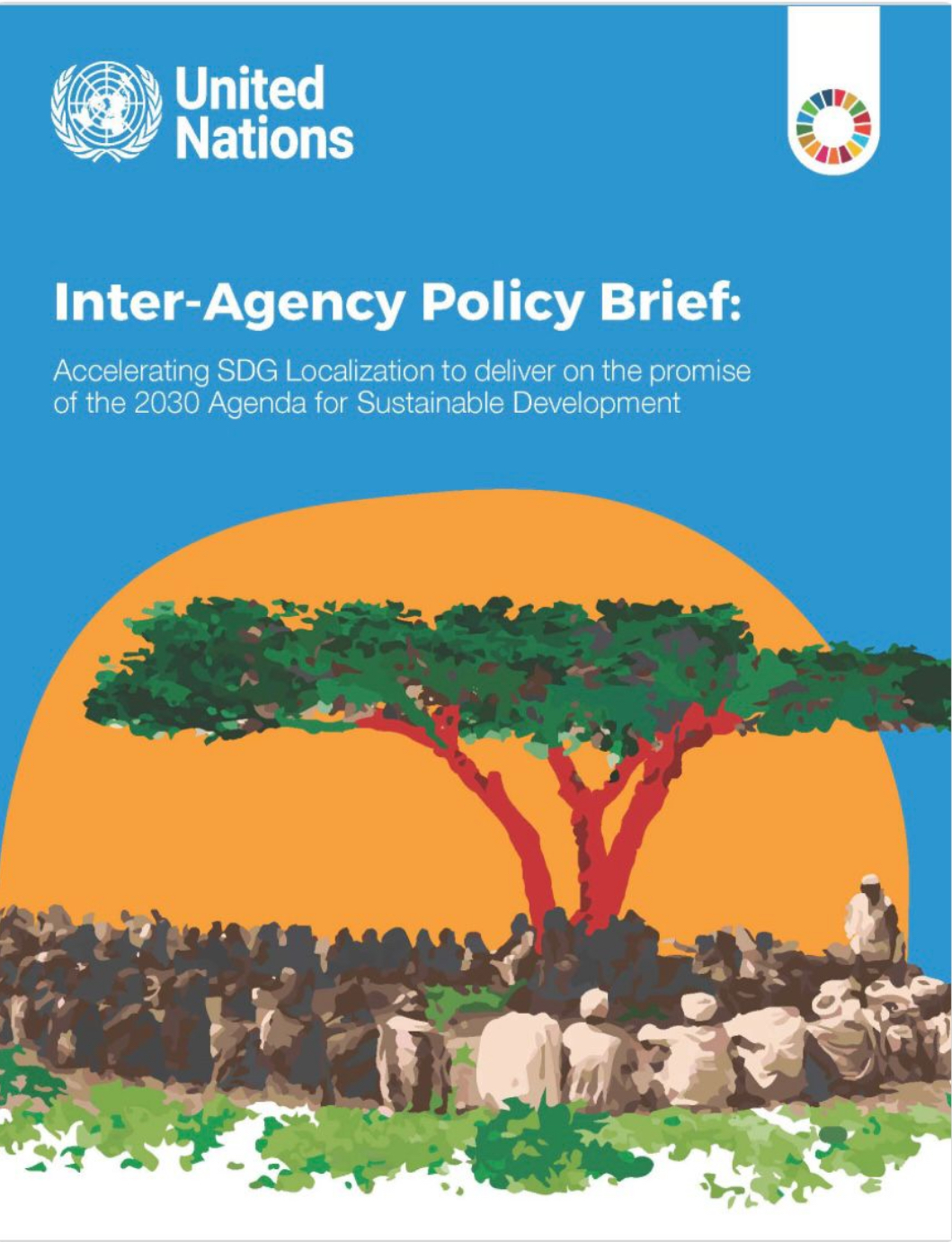
We are pleased to announce that the Inter-Agency Policy Brief on #Accelerating SDG Localization to deliver on the promise of the 2030 Agenda for Sustainable Development is now available for reading and reflection. This comprehensive policy brief was meticulously prepared by #UNDESA, #UNHabitat, and #UNDP, in close collaboration with the Global Taskforce of Local and Regional Governments and United Cities and Local Governments. Contributions also came from the United Nations Regional Commissions: #UNECA, #UNECE, #UNECLAC, #UNESCAP, and #UNESCWA.
The policy brief delves into critical issues surrounding the local implementation of Sustainable Development Goals (SDGs) to achieve the ambitious 2030 Agenda. SDG localization involves the adaptation and customization of the SDGs, translating them into local development plans and strategies that align with the specific needs, context, and priorities of various regions or localities, while maintaining coherence with national frameworks. With over 65 per cent of SDG targets linked to the responsibilities and mandates of local and regional governments (LRGs), these entities play a pivotal role in recalibrating global development to better tackle future challenges.
As part of an ongoing initiative to advance #SDG localization, UNDESA, in collaboration with an inter-agency taskforce of #UN entities and other relevant stakeholders, will publish a series of policy briefs. These briefs will offer evidence-based recommendations on various topics, including data, monitoring, and reporting; multilevel governance; SDG localization and climate action synergies; and waste and resource circularity.
We highly recommend the reading and reflection on this vital document to better understand and support the significant role of LRGs in achieving sustainable development. Together, let us work towards a brighter, more sustainable future.
Read the policy brief here: ->Link to the document<-
For more information, visit: Inter-Agency Policy
4th International Conference on Small Island Developing States
Small Island Developing States (SIDS) are in the crossfires of multiple crises: climate change, the economic and social repercussions of COVID-19, and a crisis of debt. The pandemic hugely impacted all island nations, especially those dependent on tourism. Global lockdowns left large holes in islands’ coffers and severely set back efforts to invest in the Sustainable Development Goals.
Meanwhile, climate action is becoming increasingly urgent, as weather-related disasters have doubled in two decades: with island nations both most vulnerable and least responsible.
At this time of great peril, opportunity must be seized. In Antigua and Barbuda in May 2024, the international community will gather to review SIDS’ sustainable development progress and propose a new decade of partnerships and solutions to supercharge their path to resilient prosperity.
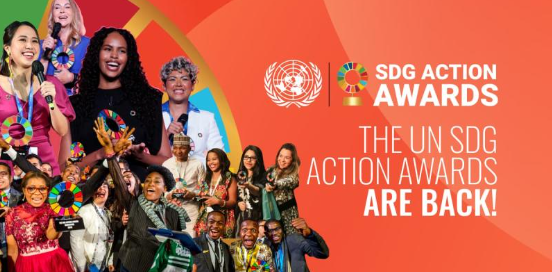
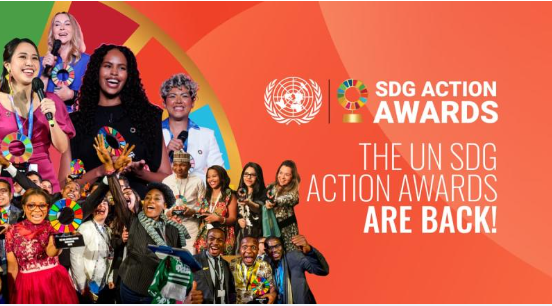
United Nations SDG ACTION AWARDS: heroes changing the world
The UN SDG Action Awards, a signature programme of the UN SDG Action Campaign champions initiatives and committed individuals who are wielding the power of creativity and innovation to bring us closer to a more sustainable, equitable and peaceful world.
Anyone can mobilize action and achieve impact, even in the most challenging places and times. The campaign is committed to showcasing heroes changing the world, and sending a message of hope and infinite possibilities.
All Finalists (three for each award category) are invited to a one-day Induction Programme prior to the Ceremony offering creative workshops, skills development sessions and networking events. The UN SDG Action Awards Ceremony unveils and celebrates the winners with music, art and inspiring messages from leaders from all backgrounds and regions of the world.
The 2024 Induction Programme and Awards Ceremony will take place at the end of October in Rome, Italy. It will reach global and national audiences through UN WebTV and television and radio broadcasts in partnership with Rai, Italy’s public national broadcaster, which provides artistic, editorial and production support.
https://sdgactionawards.org/
hashtagawards hashtagceremony hashtagsdg hashtagunitednations hashtagchampions hashtaghoroes
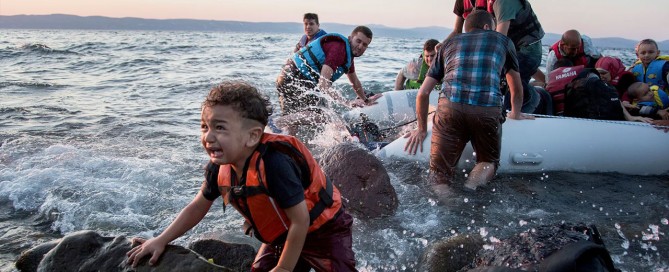
1 in 3 migrant deaths occurs in transit while fleeing conflict
Migrants and Refugees
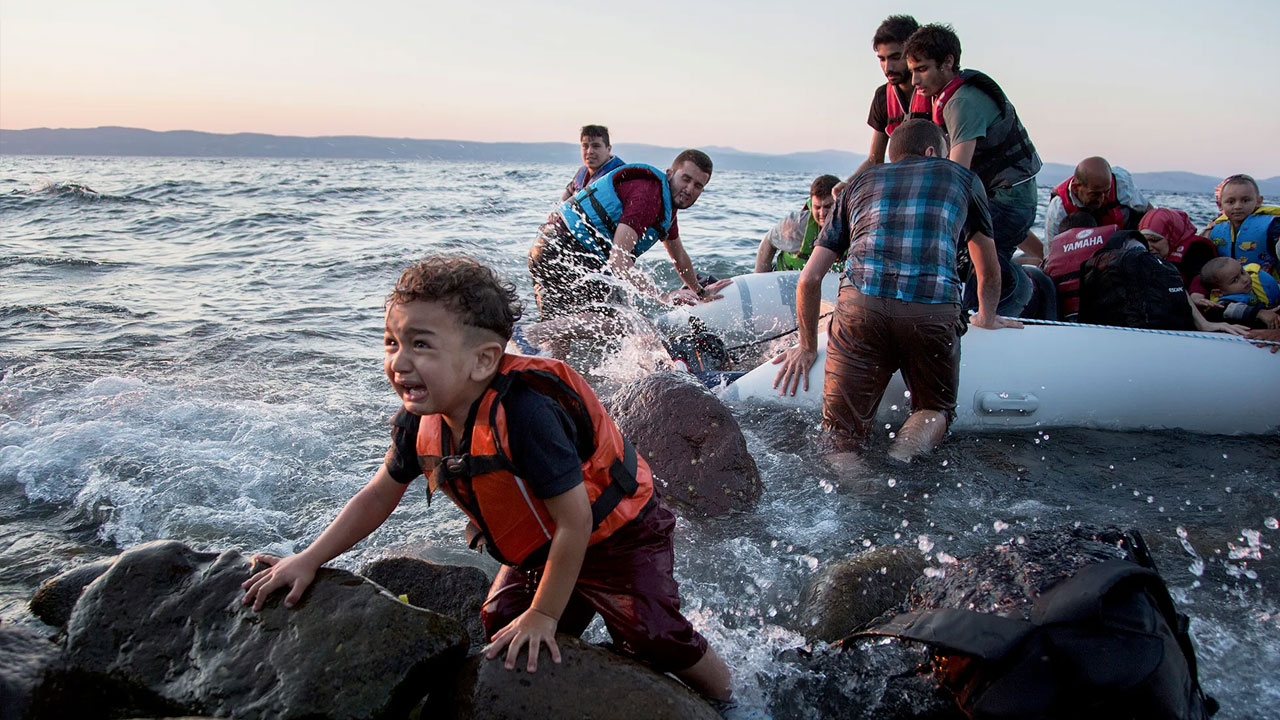
One in three migrant deaths happens while people flee conflict, the UN migration agency, IOM, said on Tuesday. More than two in three migrants whose deaths have been documented remain unidentified.
So far in 2024, the trends are just as alarming. Along the Mediterranean sea route alone – while arrivals this year are significantly lower (16,818) compared to the same period in 2023 (26,984) – the number of deaths is nearly as high as before, with 956 registered since 1 January.
Unidentified, under-reported
IOM noted that that the number of unidentified deaths remains high – more than two in three migrants – leaving families and communities to grapple with the lack of clarity about what happened to a friend or relative. To date, the UN agency’s Missing Migrant Project data shows that the remains of 26,666 people who died while migrating have not been recovered.
“Despite the many lives lost whose identities remain unknown, we know that almost 5,500 females have perished on migration routes during the last 10 years and the number of identified children is nearly 3,500,” said Ugochi Daniels, IOM Deputy Director General for Operations, commenting on the recent findings. However, the report suggests, the true number of deaths of women and children is likely far higher: there are more than 37,000 dead for whom no information on sex or age is available.
Call for safe pathways
More than one in three deceased migrants whose origin could be identified come from countries in conflict or with large refugee populations, the study finds. That highlights dangers faced by those attempting to flee conflict zones without safe pathways, the agency underscored. The deadliest route is the Central Mediterranean, where at least 23,092 people have died since 2014.
“The toll on vulnerable populations and their families urges us to turn the attention on the data into concrete action,” Ms. Daniels said, advocating for more detailed information collection that would facilitate creating safer migration routes for people fleeing conflict and distress in their home countries.
IOM has adopted a new Strategic Plan 2024-2028 that aims to save lives and protect people on the move as its first objective. To do so, the UN migration agency is calling on countries and other partners to work jointly to end migrant deaths and address the impacts of the tens of thousands of lives lost on migratory routes worldwide.
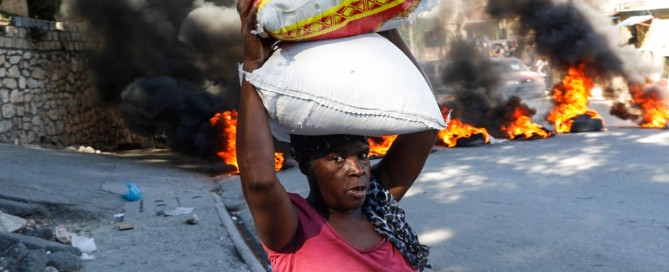
How is the UN supporting Haiti right now
Peace and Security
Haiti is in the grip of widespread gang violence, the country’s institutions are on the verge of collapse and its citizens are facing a daily fight for survival. Yet, in the midst of this catastrophic security and humanitarian crisis, the UN continues to provide critical assistance to the beleaguered population.
1. The context: Lawlessness and fear
While the situation in Haiti has long been characterized by lawlessness, with powerful gangs controlling much of the capital, Port-au-Prince, the months of January and February 2024 have been the most violent in the last two years, with over 2,500 people killed, kidnapped or injured since the start of the year. The decision of Prime Minister Ariel Henry, in March 2024, to step down has further complicated the situation.
On 21 March, Ulrika Richardson, the UN Humanitarian Coordinator in Haiti, warned that the violence is now spilling out into new areas of the capital, including formerly peaceful suburbs, following weeks of orchestrated gang attacks on prisons, ports, and hospitals. Ms. Richardson said that human rights violations are widespread; sexual violence, with the use of torture and “collective rape” against women, is rampant, she said.
The senior UN official described a growing humanitarian crisis, with over 362 000 internally displaced persons, a lack of clean water and less than half of health facilities in Port-au-Prince functioning at normal capacity.
Hunger has reached unprecedented levels, according to a new assessment released on 22 March and backed by the UN. According to the report, 4.97 million people face crisis or worse levels of acute food insecurity, including 1.64 million people facing “emergency” levels.
More and more people are attempting to leave the capital, risking passing through routes controlled by gangs. At least thirty-three thousand left to find refuge in the provinces in March, most of them heading to the Grand Sud departments, a region that already hosts more than 116,000 displaced persons.
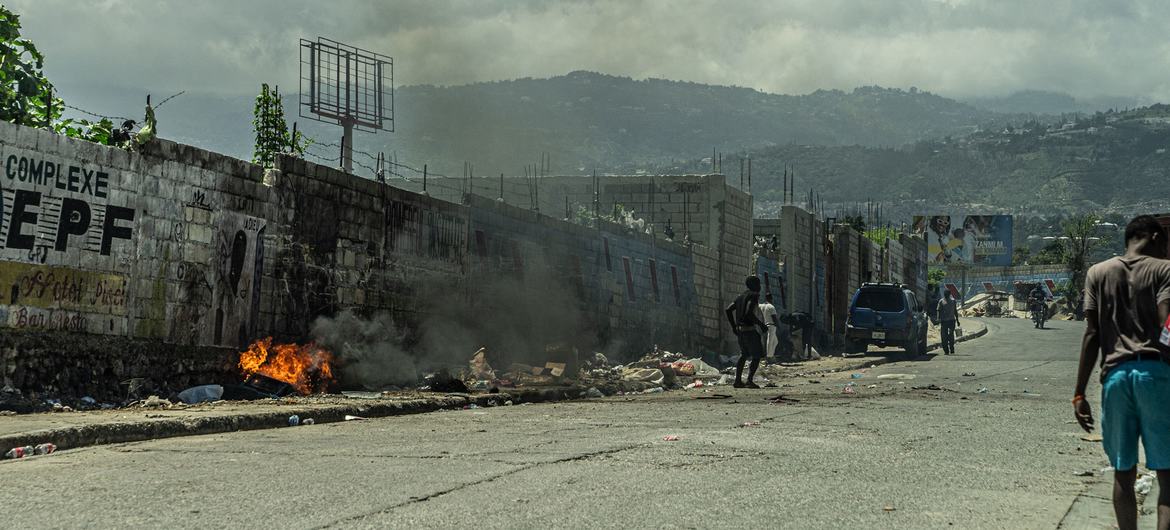
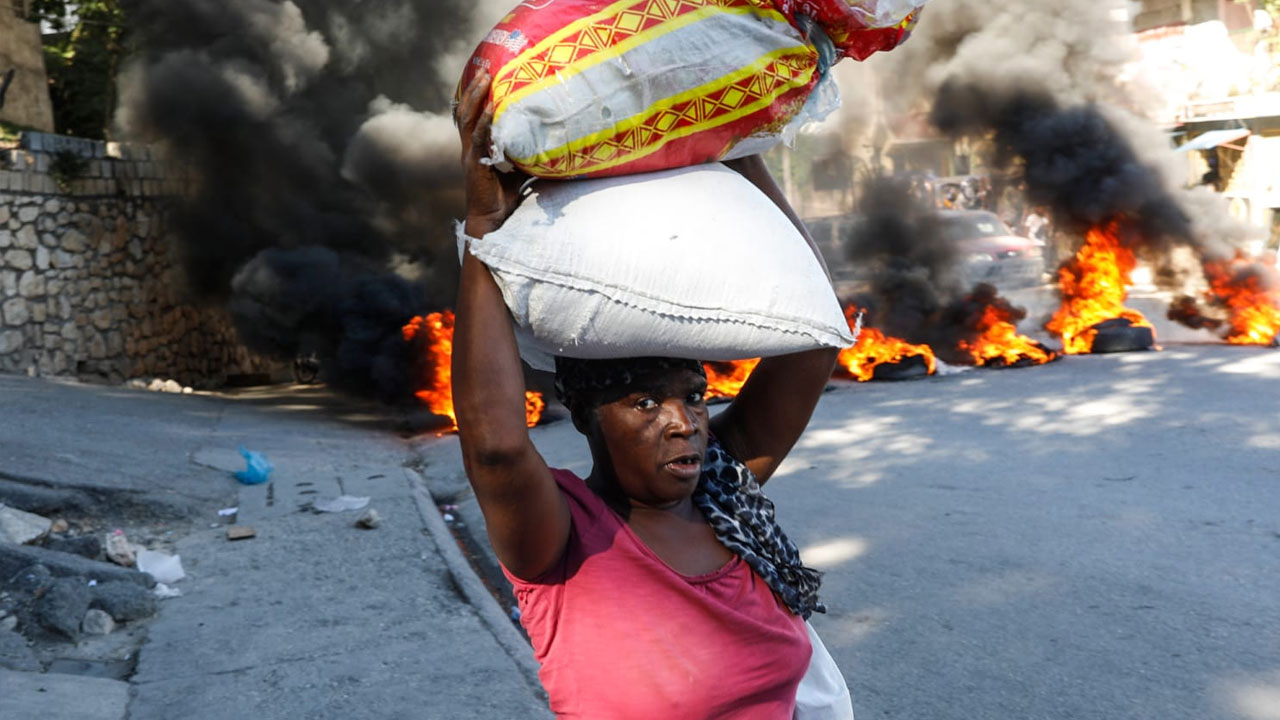
Fires burn on streets in the Cité Soleil area of Port-au-Prince.
2. The humanitarian response: Delivering under fire
Since the beginning of the latest crisis, marked by a series of coordinated gang attacks at the end of February across Port-au-Prince that led to a state of emergency and the eventual resignation of Prime Minister Henry, UN workers have continued to distribute aid to the civilian population despite the hazardous security conditions.
The World Food Programme (WFP) has distributed some 160,000 hot meals, while the World Health Organization (WHO) has delivered a range of essential health supplies, and planes from the UN Humanitarian Air Service (UNHAS) have flown in around 800kg of blood pouches.
The UN, along with partners, has been trying to address the lack of access to clean water: for example, between 16-18 March UNICEF and the NGO Solidarités International delivered 20,500 gallons of water to four sites that are home to over 12,000 displaced people while between 17 and 20 March, the UN migration agency IOM delivered 16,000 gallons of water to two sites.
Support from the UN reproductive health agency, UNFPA, and partner NGOs is being provided to victims of gender-based violence, in the form of a hotline providing psychosocial assistance, and a sexual and reproductive health/sexual and gender-based violence mobile clinic in one of the sites for internally displaced persons.
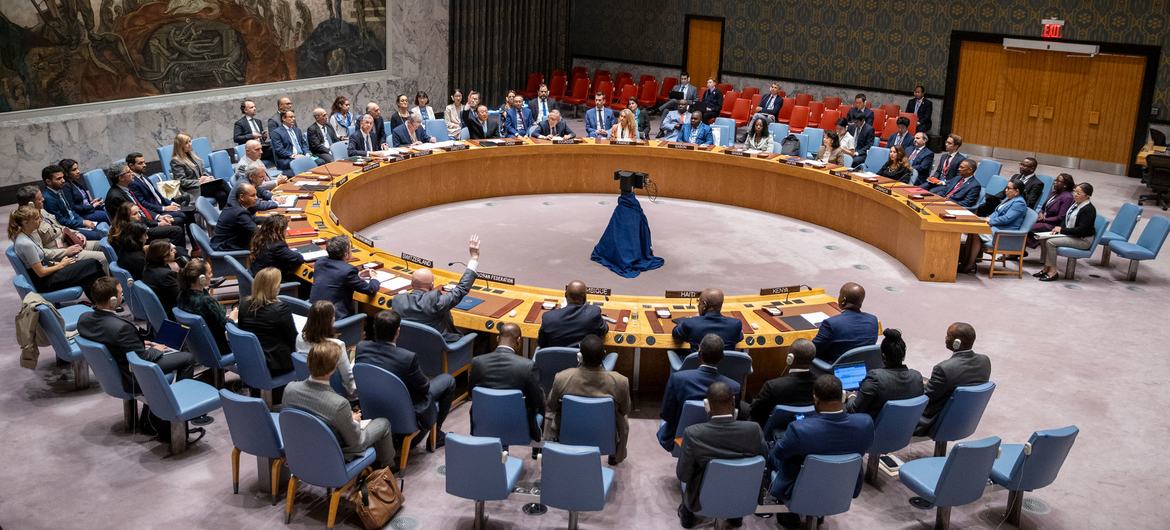
The Security Council adopts a resolution authorizing the creation of a Multinational Security Support (MSS) mission in Haiti in October 2023.
3. The multilateral response
Finding a way to end the Haitian crisis has been the subject of several high-level UN meetings. On 21 March the Security Council, the UN organ charged with maintaining international peace and security, issued a press statement reiterating its members support for a “Haitian-led, Haitian-owned political process”, and stressed the need for the international community to redouble its efforts to provide humanitarian assistance to the population and to support the Haitian National Police. The members of the Security Council also expressed grave concern at the illicit flow of arms and ammunition into Haiti that remains, they said, a fundamental factor of instability and violence.
Back in October 2023, the Security Council authorized the deployment of a multinational security support (MSS) mission to Haiti at the request of the then government. The resolution was hailed at the time as a historic first, although the mission has yet to be deployed.
4. Funding: A massive gap to fill
In the meantime, several senior officials from the UN System continue to call for a significant uptick in funding for the humanitarian effort.
On Thursday, Ms. Richardson noted that the humanitarian response plan for Haiti, which requires $674 million, is only six per cent funded. “Time is running out,” she said.
Earlier in March, Cindy McCain, the head of the World Food Programme, warned that the aid effort was “running on fumes”.
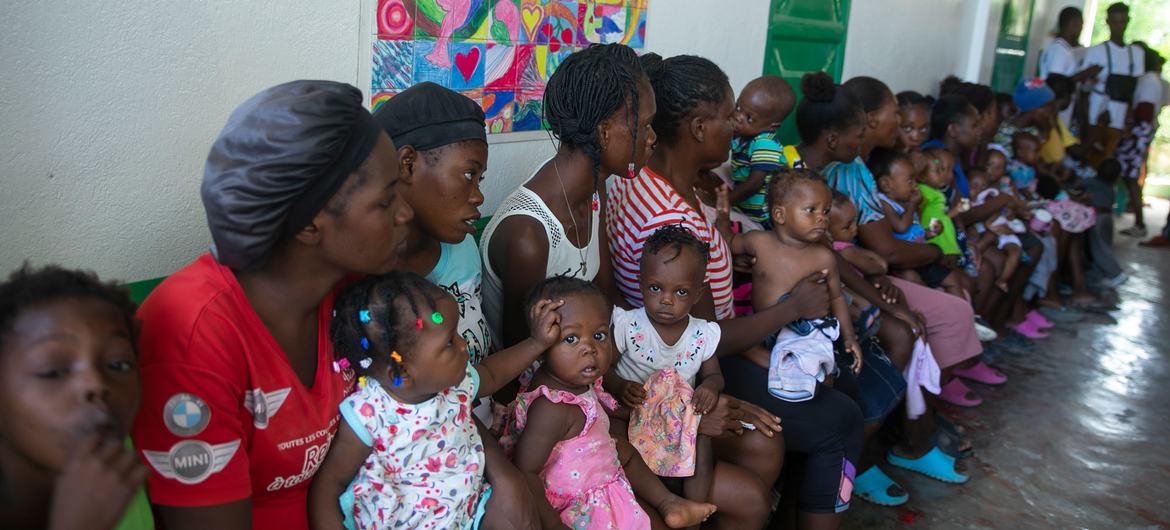
Women and their children wait at a UNICEF-supported mobile clinic in Port-au-Prince, Haiti. (file)
5. An uncertain future
The MSS mission to bolster the understaffed and under resourced Haitian National Police is expected to be led by Kenya, with troops also promised by several Caribbean countries. The US has pledged some $300 million, according to media reports.
Although this is not a UN mission, it has been authorized by a Security Council resolution.
However, while there is widespread agreement that Haiti urgently needs help to bring about a secure and stable environment, the mission was thrown into disarray by Mr. Henry’s resignation, which prompted Kenya to announce that it would delay the deployment until the announcement of a new Haitian government.
According to media reports, political groups are close to agreeing on a transitional council that would take over presidential powers until elections can be held. It is unclear if and when the council will take power or when the security mission will begin operating on Haitian soil.
13 years of conflict in Syria, children need help
Prolonged exposure to conflict and deprivation taking a devastating long-term physical and mental toll on generation of children
14 March 2024
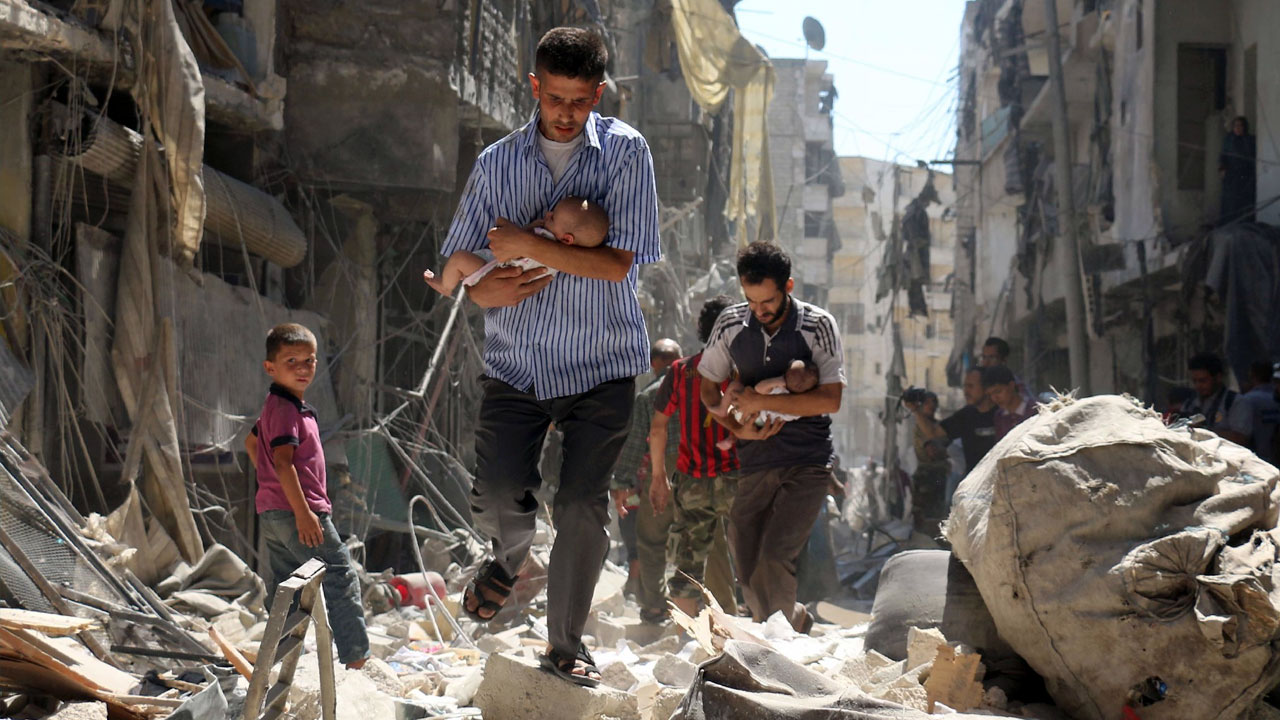
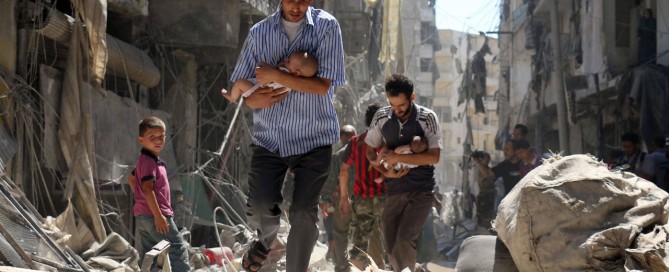
DAMASCUS/AMMAN 15 March 2024 – After thirteen years of conflict in Syria, almost 7.5 million children in the country are in need of humanitarian assistance – more than at any other time during the conflict. Repeated cycles of violence and displacement, a devastating economic crisis and extreme deprivation, disease outbreaks and last year’s devastating earthquakes have left hundreds of thousands of children exposed to long-term physical and psychosocial consequences.
More than 650,000 children under the age of five are chronically malnourished – an increase of around 150,000 in the four years since 2019. Chronic malnutrition, or stunting, causes irreversible damage to the physical and cognitive development of children, impacting their capacity to learn, their productivity, and their earnings later in adulthood.
According to a recent household survey conducted in northern Syria, 34 per cent of girls and 31 per cent of boys reported psychosocial distress. Similarly, the rapid assessments conducted in earthquake-affected areas reported an even higher percentage of children exhibiting severe behavioural psychological distress (83 per cent of respondents.)
“The sad reality is that today and, in the days ahead, many children in Syria will mark their 13th birthdays, becoming teenagers, knowing that their entire childhood to date has been marked by conflict, displacement and deprivation,” said UNICEF Regional Director for the Middle East and North Africa Adele Khodr. “Ultimately, children need a chance. They need a long-term peaceful solution to the crisis, but we cannot just wait for that to happen. In the meantime, it is critical to ensure that children and families not only have access to basic services but also that we are equipping children with the skills to build their own futures.”

Whilst Syria no longer regularly makes international headlines, the conflict continues to devastate the future of children and their lives. A recent wave of violence that began in the past six months in several localities is the worst the country has seen for four years. More than 13 million Syrians – roughly half the pre-conflict population – are displaced inside or outside Syria and unable to return to their homes. More than two-thirds of the population are in need of humanitarian assistance. Humanitarian funding has dropped to an all-time low, both inside Syria itself and for Syrians in neighbouring countries. Nearly half of the 5.5 million school-aged children – some 2.4 million children aged 5-17 – are out of school.
“A generation of children in Syria have already paid an unbearable price for this conflict,” said Khodr. “Continued support from the international community is critical for restoring systems to deliver essential basic social services, like education, water and sanitation, health, nutrition, child and social protection, ensuring that no child in Syria is left behind”.
In 2023, UNICEF reached 15.8 million people, including 10 million children, with essential services and supplies across Syria. Of the people reached, 5.6 million had been affected by the earthquakes. This included 3.2 million children. UNICEF and partners reached more than 3.1 million with essential nutrition services in 2023. Across Syria, almost 560,000 children were reached with Mental Health and Psychosocial support activities.
In 2024, UNICEF requires US$ 401.7 million to provide an essential lifeline to 8.5 million people, including 5.4 million children. The greatest funding requirements are for WASH, health, and education, while protection continues to be a high priority.