Lettre d’information Unaf n°887 du 8 octobre 2025
|


|
As the push intensifies for countries to go “beyond GDP” when measuring progress, IISD and partners will launch an e-course to explore the alternatives.
The limitations of GDP as a metric of prosperity and economic success are well documented. It fails to measure the environmental impacts of economic activity. It is unable to measure work and labour that isn’t conducted through a market transaction. It prioritizes questions of income and expenditure over those of well-being.
The webinar will also launch a new learning tool. IISD has developed an e-course that presents different measures for assessing national progress, which address sustainability concerns better than GDP does. The e-course is designed in four modules, introducing the limitations of GDP, an overview of alternative and complementary measures to GDP, and an in-depth dive into the Comprehensive Wealth Index components and their policy implications. It is a self-paced course that takes about 4 hours to complete, and guides learners through this content with interactive questions and scenarios.
Designed for policymakers and economics students alike, the Beyond GDP Learning Tool offers practical guidance on using non-GDP indicators to gauge progress. To join the first cohort of learners on the course, we recommend attending this webinar.
https://us06web.zoom.us/webinar/register/WN_4ZtA6YrrQ-qatpj_BI9_2A
“Housing the world:
Safe and resilient cities
and communities”
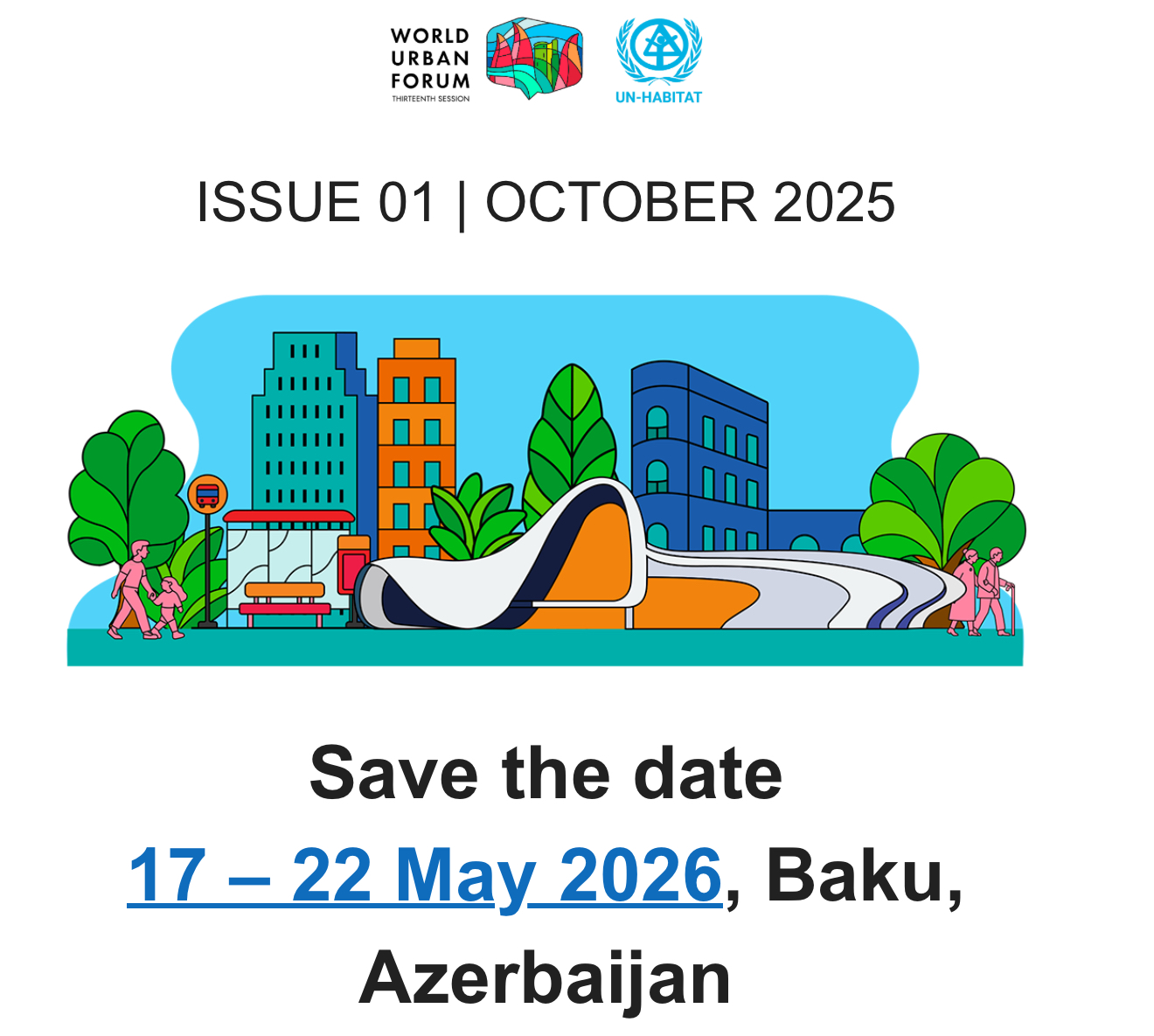
Welcome to the WUF13 newsletter! Here you’ll find the latest updates on the programme, advocacy efforts, and opportunities to engage as we prepare for the world’s premier forum on sustainable urbanization.
UN-Habitat…
⏳ Deadline extended!
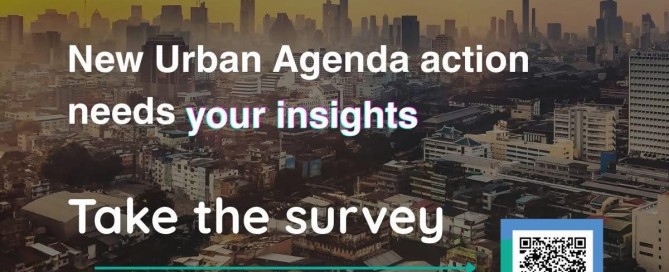
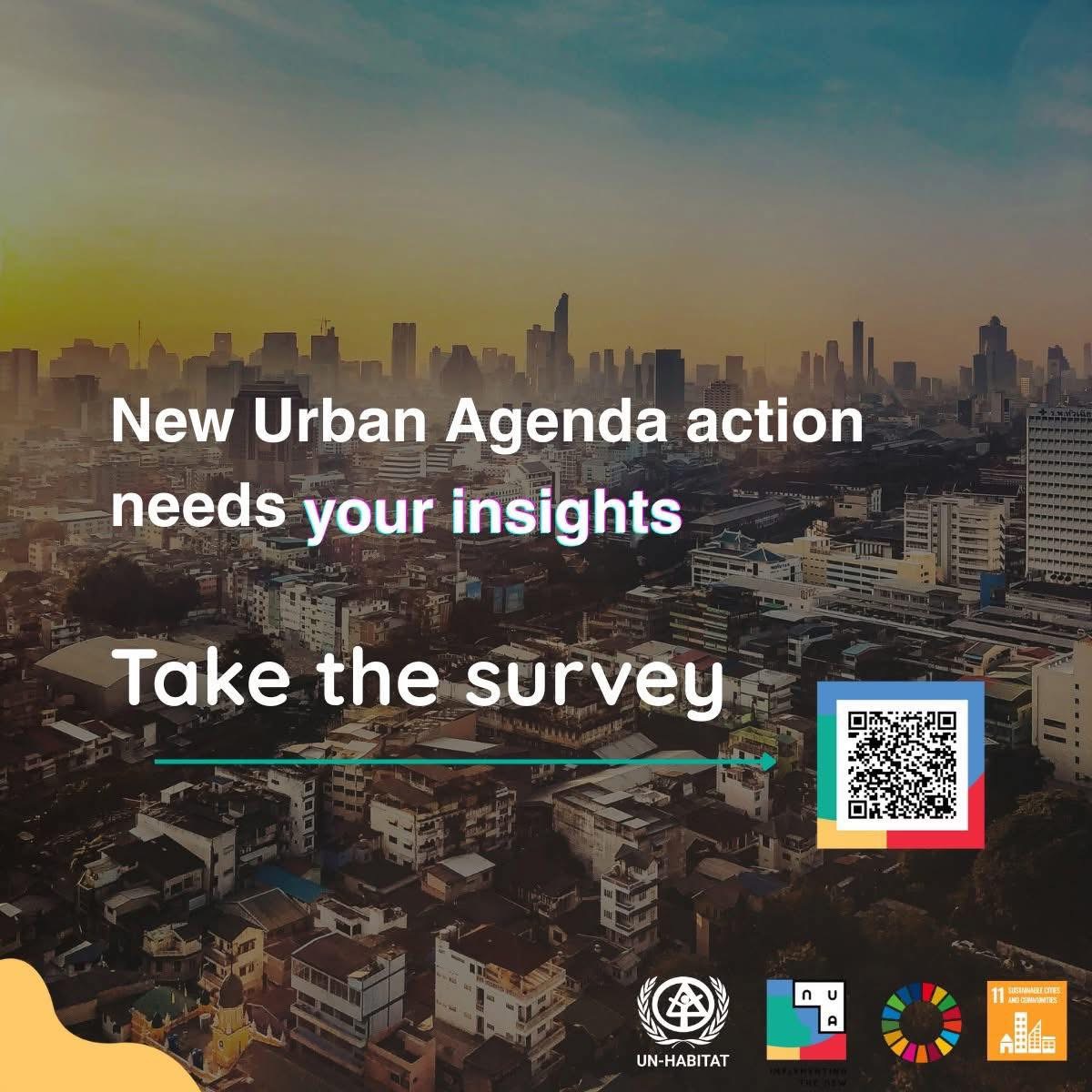
You now have until 15 October to take the UN-Habitat stakeholder survey for the 2026 Midterm Review of the New Urban Agenda.
In 2016, the New Urban Agenda set a bold promise: cities where everyone has adequate housing, land, and services — and where urbanization drives sustainable development.
It introduced firsts that still shape today’s agenda:
✅ Urbanization as opportunity, not just challenge
✅ Local governments at the center of action
✅ Cities linked to the climate agenda
✅ Global SDG reporting to keep us accountable
📊 But 10 years later, progress is uneven. From housing adequacy to transport and safety, many urban indicators still lack reliable global data — and often fail to reflect the lived realities of billions.
That’s why UN-Habitat is inviting local governments, civil society, academia, and urban actors everywhere to share their insights.
Learn more in the first comment.
Dear NGO representatives accredited at the United Nations Office at Geneva,
We are pleased to share some updates, news and events taking place at the UN in Geneva, and New York, in the coming weeks.
With very best regards,
NGO Liaison Unit

HEADQUARTERS
7, rue Meyerbeer
75009 Paris – France
Tel.: + 33 173053900
info@worldfamilyorganization.org
PRESIDENCY OFFICE
R. Duque de Caxias, 831. São Francisco.
Curitiba – PR – Brazil
Tel.: + 55 41 3254 5678
presidencyoffice@worldfamilyorganization.org
Website developed by Paulo Machado | www.paulomachado.com