About admin

Lorem ipsum dolor sit amet, consectetur adipiscing elit. Nam viverra euismod odio, gravida pellentesque urna varius vitae. Sed dui lorem, adipiscing in adipiscing et, interdum nec metus. Mauris ultricies, justo eu convallis placerat, felis enim ornare nisi vitae.
This Is A Custom Message You Can Customize In Your Admin!

High-Level Political Forum 2024 ( Cloned )

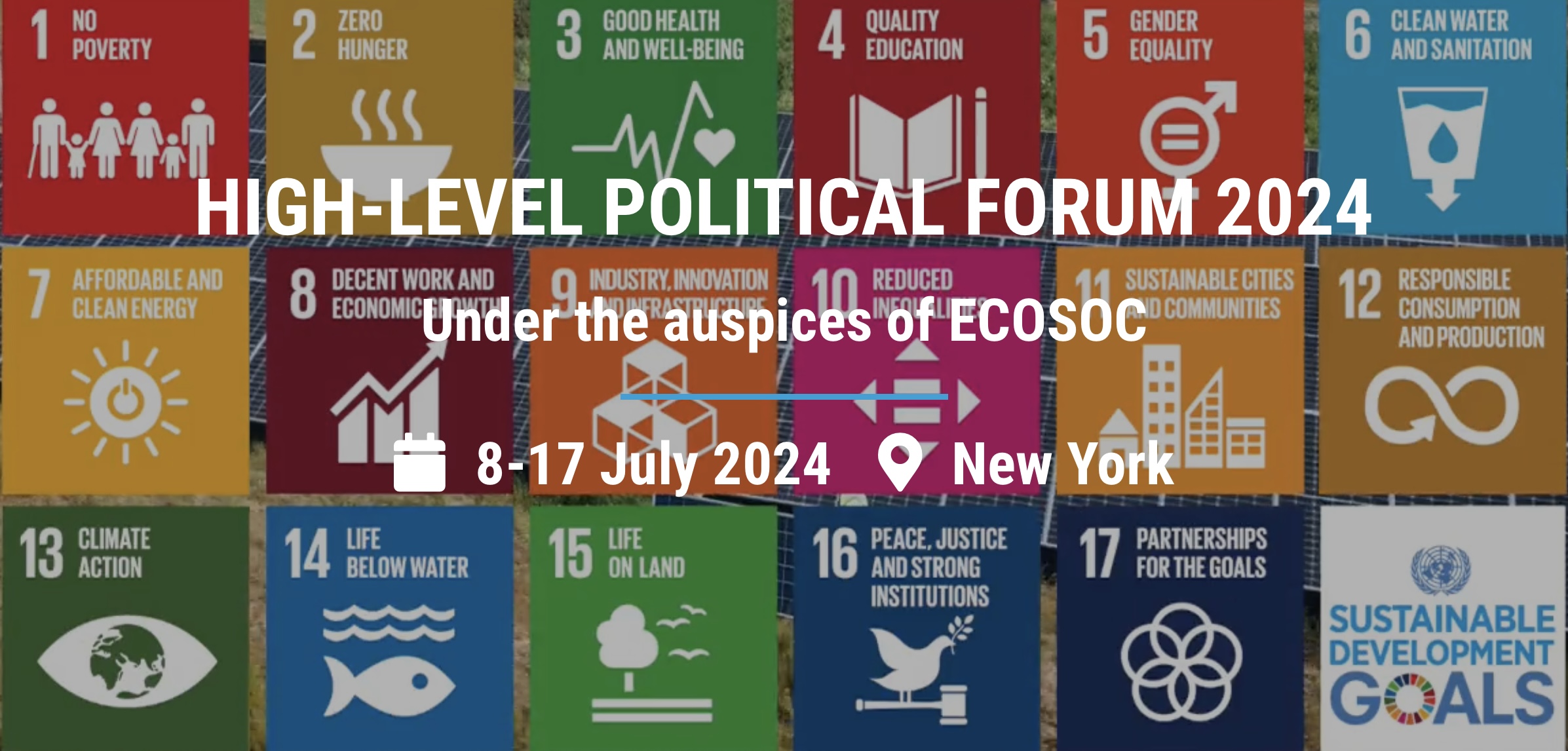
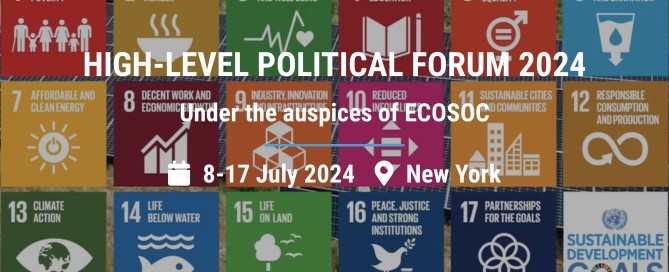
High-Level Political Forum 2024

The High-level Political Forum on Sustainable Development (HLPF) will be held from Monday, 8 July, to Wednesday, 17 July 2024, under the auspices of the Economic and Social Council. This includes the three-day ministerial segment of the forum from Monday, 15 July, to Wednesday, 17 July 2024as part of the High-level Segment of the Council. The last day of the High-level Segment of ECOSOC will be on Thursday, 18 July 2024.

The theme will be “Reinforcing the 2030 Agenda and eradicating poverty in times of multiple crises: the effective delivery of sustainable, resilient and innovative solutions”. (A/DEC/77/553)

The HLPF in 2024, without prejudice to the integrated, indivisible and interlinked nature of the Sustainable Development Goals, will review in-depth: Goal 1. End poverty in all its forms everywhere; Goal 2. End hunger, achieve food security and improved nutrition and promote sustainable agriculture; Goal 13. Take urgent action to combat climate change and its impacts; Goal 16. Promote peaceful and inclusive societies for sustainable development, provide access to justice for all and build effective, accountable and inclusive institutions at all levels; and Goal 17. Strengthen the means of implementation and revitalize the Global Partnership for Sustainable Development.

The HLPF in July 2024 will be the first HLPF under the auspices of ECOSOC after the 2023 SDG Summit – the HLPF convened under the auspices of the General Assembly in September 2023. The 2024 HLPF will support the implementation of the Political Declaration and other outcomes of the SDG Summit for advancing the 2030 Agenda and the SDGs.

Following states have expressed interest to carry out voluntary national reviews (VNRs) of their implementation of the 2030 Agenda at the 2024 HLPF: ArmeniaAustriaAzerbaijanBelizeBrazilChadColombiaCongo (Republic of the)Costa RicaEcuadorEquatorial GuineaEritreaGeorgiaGuineaHondurasKenyaLao People’s Democratic RepublicLibyaMauritaniaMauritiusMexicoNamibiaNepalOmanPalauPeruSamoaSierra LeoneSolomon IslandsSouth SudanSpainSyrian Arab RepublicUgandaVanuatuYemenZimbabwe

Other events, including Side Events, VNR Labs, Special Events, and Exhibition will be organized on the margins of the 2024 HLPF.
 

UN DESA: Newsletter July/August 2024

A moment of choice and consequence for a better future

In a world facing political turmoil, economic slowdown, rising inequalities and a worsening  Environmental crisis, our promise to achieve the Sustainable Development Goals (SDGs) by 2030 is at stake.

The growing impacts of climate change, compounded by the increasing number of conflicts, are contributing to alarming trends that could reverse our progress in achieving sustainable development. Shockingly, as many as 309 million people in 72 countries are facing chronic hunger, while a staggering 2.2 billion lack access to safe water. The United Nations announced that forced displacement rose to 120 million in May 2024.

Yet, amidst the uncertainty, there is hope—our collective actions to build a better, more just and sustainable future. We stand at a critical moment of choice and consequence if we are to achieve the 2030 Agenda. We must act now to eradicate poverty, end hunger, combat climate change, promote peaceful and inclusive societies and strengthen global partnerships.

DOWNLOAD NEWSLETTER

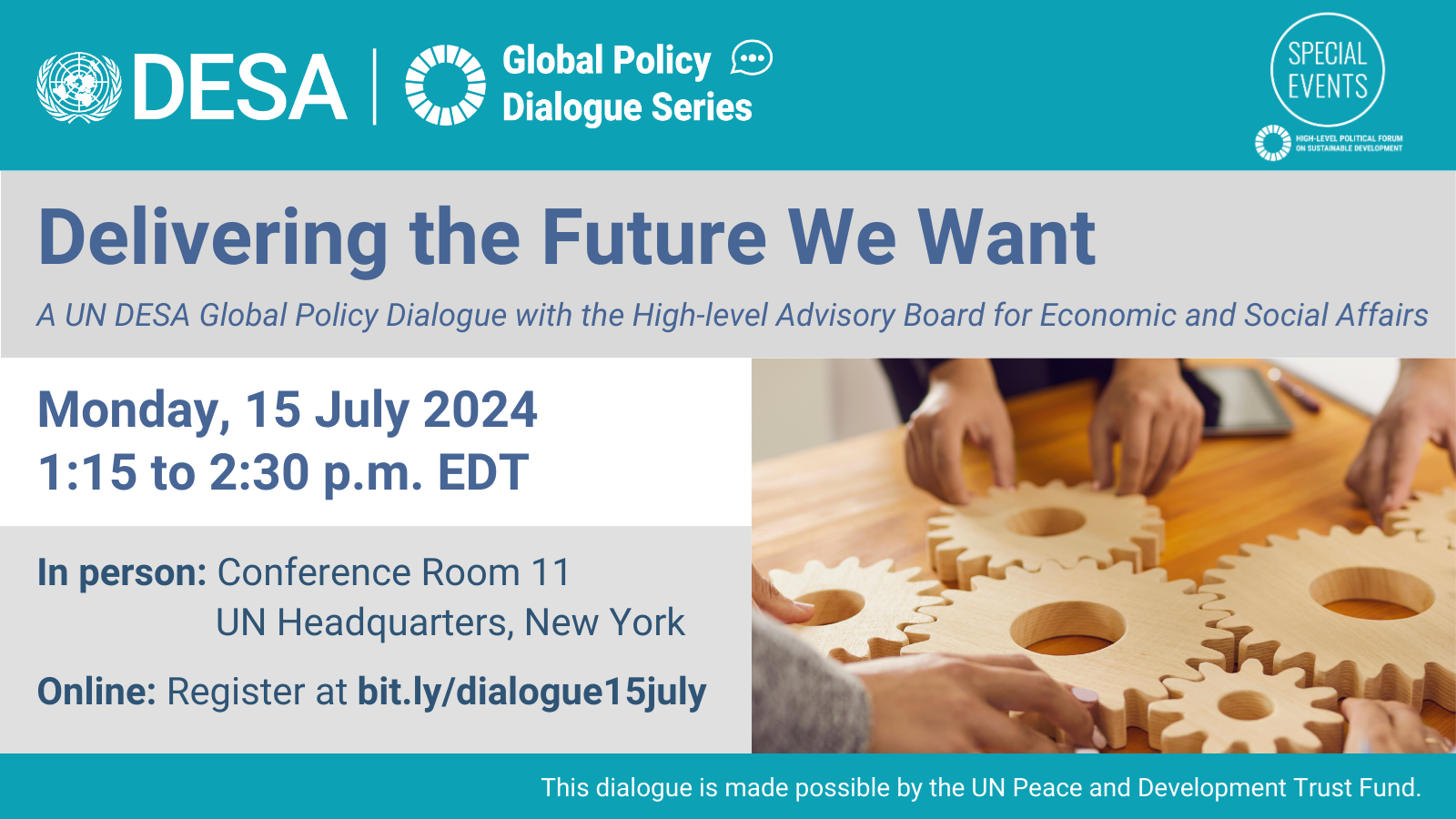
A UN DESA Global Policy Dialogue with the High-level Advisory Board for Economic and Social Affairs

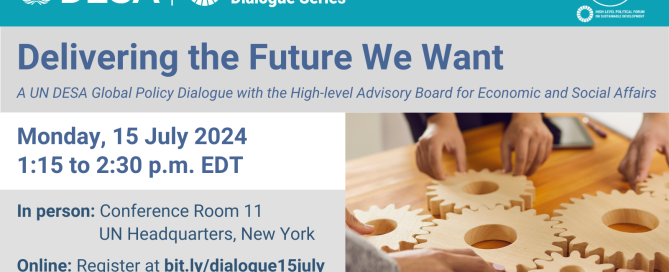
Delivering the Future We Want


A UN DESA Global Policy Dialogue with the High-level Advisory Board for Economic and Social Affairs


Monday, 15 July 2024, 1:15-2:30 p.m. EDT

In person: Conference Room 11, UN Headquarters, New York

Online: Register at bit.ly/dialogue15july
Join the United Nations Department of Economic and Social Affairs (UN DESA) on Monday, 15 July, for a Special Event on the margins of the annual High-level Political Forum on Sustainable Development (HLPF), where members of the UN High-level Advisory Board on Economic and Social Affairs (HLAB) and other experts will discuss key emerging socioeconomic trends, risks and opportunities, and suggestions for achieving the Sustainable Development Goals (SDGs) by 2030. Hear from these global thought leaders as they put forward ways to build our capacities to cope with complex global challenges, generate synergies and manage trade-offs ahead of the once-in-a-generation UN Summit of the Future in September.
Speakers scheduled to appear:

  • Ibrahim Elbadawi, Managing Director, Economic Research Forum for the Arab World, Iran and Turkey
  • Nargis Kassenova, Senior Fellow and Director of the Program on Central Asia, Davis Center for Russian and Eurasian Studies, Harvard University
  • Elizabeth Sidiropoulos, Chief Executive, South African Institute of International Affairs
  • Izabella Mônica Vieira Teixeira, former Minister of Environment (2010-2016), Brazil
  • Armida Salsiah Alisjahbana, Executive Secretary, UN Economic and Social Commission for Asia and the Pacific (ESCAP)
  • Rola Dashti, Executive Secretary, UN Economic and Social Commission for Western Asia (ESCWA)
  • Claver Gatete, Executive Secretary, UN Economic Commission for Africa (ECA)
  • Li Junhua, UN Under-Secretary-General for Economic and Social Affairs
  • Navid Hanif, UN Assistant Secretary-General for Economic Development

All are welcome! Please feel free to share this invitation with your networks.
In-person attendees must already be accredited for the HLPF. Our event is free and open to all on Zoom by registering at bit.ly/dialogue15july, and it also will be streamed live on UN DESA’s Facebook page. It will be held in English with captions available in other languages on Zoom. The virtual event is made possible by the United Nations Peace and Development Trust Fund.

A moment of choice and consequence for a better future

In a world facing political turmoil, economic slowdown, rising inequalities and a worsening environmental crisis, our promise to achieve the Sustainable Development Goals (SDGs) by 2030 is at stake.

The growing impacts of climate change, compounded by the increasing number of conflicts, are contributing to alarming trends that could reverse our progress in achieving sustainable development. Shockingly, as many as 309 million people in 72 countries are facing chronic hunger, while a staggering 2.2 billion lack access to safe water. The United Nations announced that forced displacement rose to 120 million in May 2024.

Yet, amidst the uncertainty, there is hope—our collective actions to build a better, more just and sustainable future. We stand at a critical moment of choice and consequence if we are to achieve the 2030 Agenda.

We must act now to eradicate poverty, end hunger, combat climate change, promote peaceful and inclusive societies and strengthen global partnerships.

The High-level Political Forum: Advancing towards 2030

The annual High-level Political Forum (HLPF) comes at a crucial time. Serving as the main global forum for reviewing progress on the road towards achieving the 17 SDGs, the Forum will be held from 8 to 17 July 2024 at UN Headquarters in New York. It is an important opportunity to take stock of our accomplishments and raise our collective ambitions for achieving sustainable development by 2030. The 2024 High-level Segment (HLS) of ECOSOC will take place on the heels of the Forum, on 15-18 July.

Thirty-seven countries will showcase the actions they have taken to achieve the SDGs.

Goals 1, 2, 13, 16 and 17 will also be reviewed in depth. The Forum will feature over 140 side-events and exhibitions, including 13 high-profile special events from key sectors addressing the importance of achieving the SDGs.

A call to action: Building a sustainable future 

Fast action is needed now more than ever to prevent the most severe disruptions from conflicts and climate change to poverty and hunger. We must renew our commitment to mutual solidarity and international cooperation.

Better coordinated efforts are essential to overcome these challenges and develop game-changing policies that deliver on the promise of an inclusive and sustainable future.

Developing countries must receive the support they need to build green economies and protect lives and livelihoods from increasing climate impacts.

Governments, the private sector and civil society must work together to find innovative solutions to tackle compounding challenges.

Urgent measures are needed to mobilize large-scale financing to close the development financing gap, now estimated at $4.2 trillion annually. Financial commitments by the developed world for sustainable development must be met. Innovative financing mechanisms are also crucial for achieving the SDGs.

As we look forward to the Summit for the Future in September 2024, we count on leaders to prioritize sustainable development. The Summit will be a once-in-a-generation opportunity to enhance cooperation on critical challenges, address gaps in global governance and reaffirm commitments to a more effective and inclusive multilateralism.

The time has come to fulfil our promise to current and future generations.

To make this happen, we must act now, and act boldly.

2024, June 28, Celebrating the 77th Anniversary of the World Family Organization


As we celebrate the 77th anniversary of the World Family Organization (WFO), we take a moment to reflect on our rich history and reaffirm our commitment to addressing the challenges families face around the world today. Originally known as the International Union of Family Organizations (IUFO), the WFO has been a beacon of hope and a pillar of support for families globally since its inception.

The Founding Moment

The idea to create an international organization dedicated to family matters was first conceived on June 1, 1946, during an International Congress for Families and Population in Brussels. This vision became a reality when the first World Family Congress was held in Paris from June 22-28, 1947. The newly formed United Nations, along with 200 delegates from 27 nations, founded the IUFO with key objectives such as reuniting families separated by World War II, providing documentation, fostering communication among civil movements for better family life, and representing family interests within governments, public opinion, and international organizations, starting with the United Nations.

The Mission and Activities

From the outset, the IUFO was driven by a singular mission: “to establish a link between all organizations working for the well-being of #families worldwide.” This mission was enshrined in Article I of its statutes and has guided the organization’s work over the decades. Through comprehensive documentation and study services, the #IUFO, now #WFO, has addressed a wide array of family-related issues, including psychological, economic, social, biological, and demographic challenges.

One of the significant ways we have disseminated knowledge and fostered communication is through our publication, “Families in the World.” This bulletin spreads studies on family life, shares achievements from various countries, and highlights critical issues affecting families globally. It also provides information on family organizations and includes analyses and bibliographic references, making it an invaluable resource for anyone dedicated to family well-being.

Triennial Congresses and Study Days

Our commitment to continuous learning and advocacy has been demonstrated through regular triennial congresses and specialized study days. For example, our first General Assembly in July 1948 in Geneva focused on juvenile delinquency and family responsibilities. Upcoming events like the International Family Days in Rome will address pressing issues such as “Family Economy in the Insecurity of the Modern World,” emphasizing support mechanisms like housing allowances, scholarships, and tax exemptions.

Advocacy and International Recognition

A core objective of the IUFO, highlighted in Article V of its statutes, is to “strengthen the bonds of solidarity among all the families of the world.” Over the years, we have pursued this goal by conducting studies, promoting international exchanges, and voicing family needs and aspirations to international bodies and the global public. Our efforts were recognized in 1948 when the United Nations Economic and Social Council granted us consultative status, further endorsed by UNESCO.

We have actively contributed to shaping international policy, exemplified by our involvement in the drafting of the Universal Declaration of Human Rights. Our advocacy ensured that families’ rights to a decent standard of living and appropriate compensation for their responsibilities were recognized on a global stage.

Since the early 2000s, the World Family Organization (WFO) has been at the forefront of reflecting and presenting best practices with significant impacts on family policies through the annual World Family Summits. These summits initially focused on the Millennium Development Goals (MDGs) and now align with the United Nations Sustainable Development Goals (SDGs).

The World Family Summits serve as a critical platform for dialogue, knowledge exchange, and collaboration among family organizations, governments, and international bodies. Each year, these summits bring together experts and stakeholders to discuss and develop innovative approaches to enhancing family well-being globally.

Furthermore, the recommendations and outcomes of the World Family Summits are annually distributed to the United Nations Economic and Social Council (ECOSOC). This ensures that the insights and strategies developed during these summits contribute to global policy-making processes and support the implementation of the SDGs, reinforcing the WFO’s commitment to fostering sustainable development and improving family life worldwide.

Looking Ahead

As we commemorate our 77th anniversary, we remain steadfast in our mission to promote family well-being worldwide. The World Family Organization continues to be a beacon of support, research, and advocacy for families everywhere. Our rich history provides a strong foundation as we face contemporary challenges, reaffirming our commitment to our founding principles and the ongoing pursuit of a better life for families globally.

The journey of the World Family Organization is a testament to the enduring power of collaboration and shared purpose. As we celebrate 77 years of dedicated service, we extend our heartfelt gratitude to all our members, past and present, whose unwavering dedication has propelled our mission forward. Together, we will continue to champion the cause of families and strengthen the bonds that unite us all.

This celebration is not just a reflection on our past achievements but also an invitation to the future. Let us continue to work together towards a world where every family can thrive, upholding the values and objectives that have guided the WFO since its inception. Here’s to many more years of supporting and empowering families worldwide.

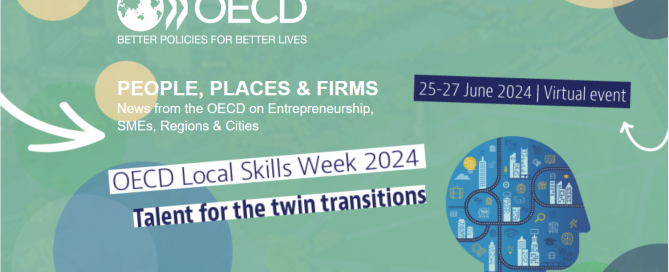
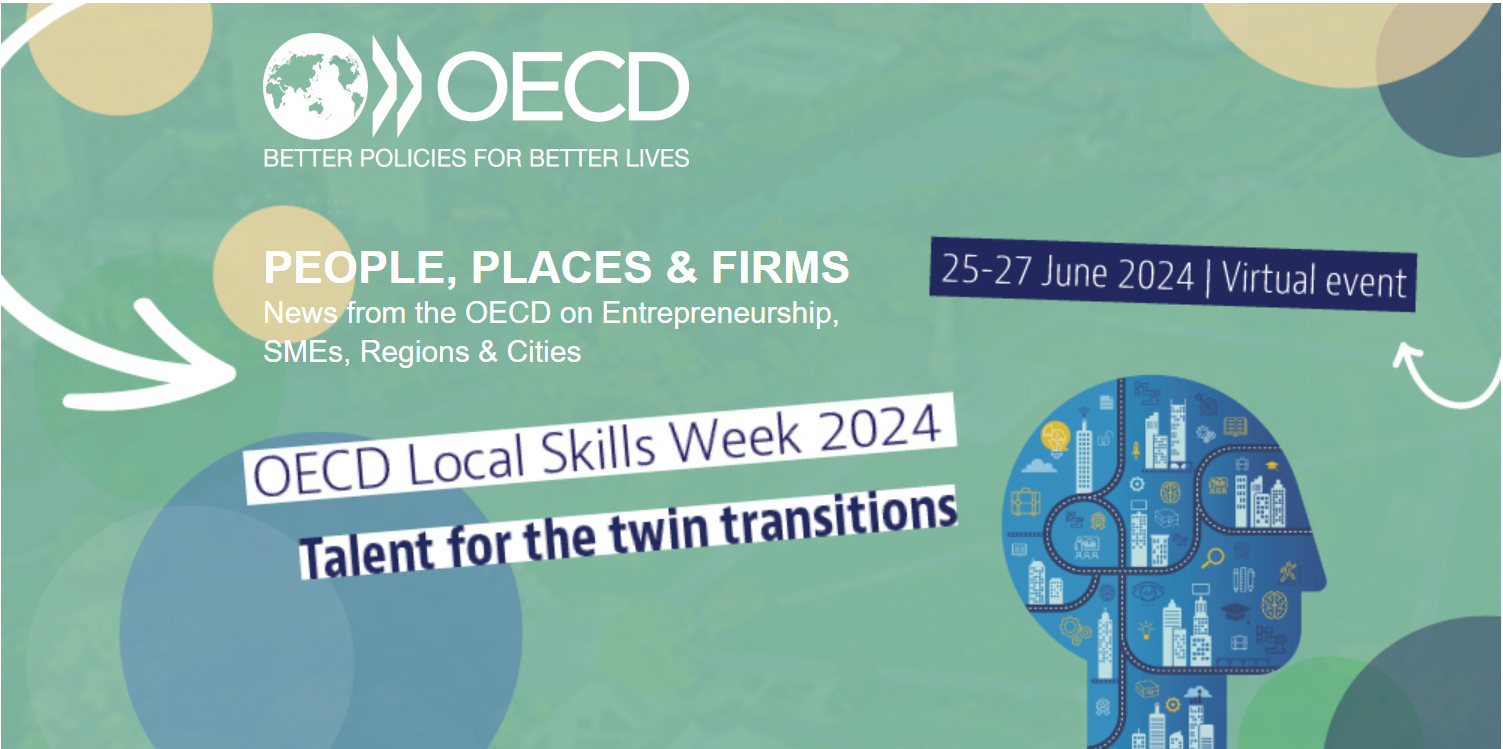
OECD Local Skills Week 2024: Talent for the Twin Transitions

With Caroline Mancel (Actiris, Belgium), Elena Magrini (Lightcast, Burning Glass Europe), Maria Flynn (Jobs for the Future, US), Stelina Chatzichristou (Cedefop), and Lars Ludolph (OECD), discover how forecasting tools, projections, and expert surveys can help governments and training institutions align workforce investment strategies to meet future labour market demands.

https://www.oecd-events.org/local-skills-week-2024#bl-7d0b3f5b-c3a6-4b40-8749-390d707a7040

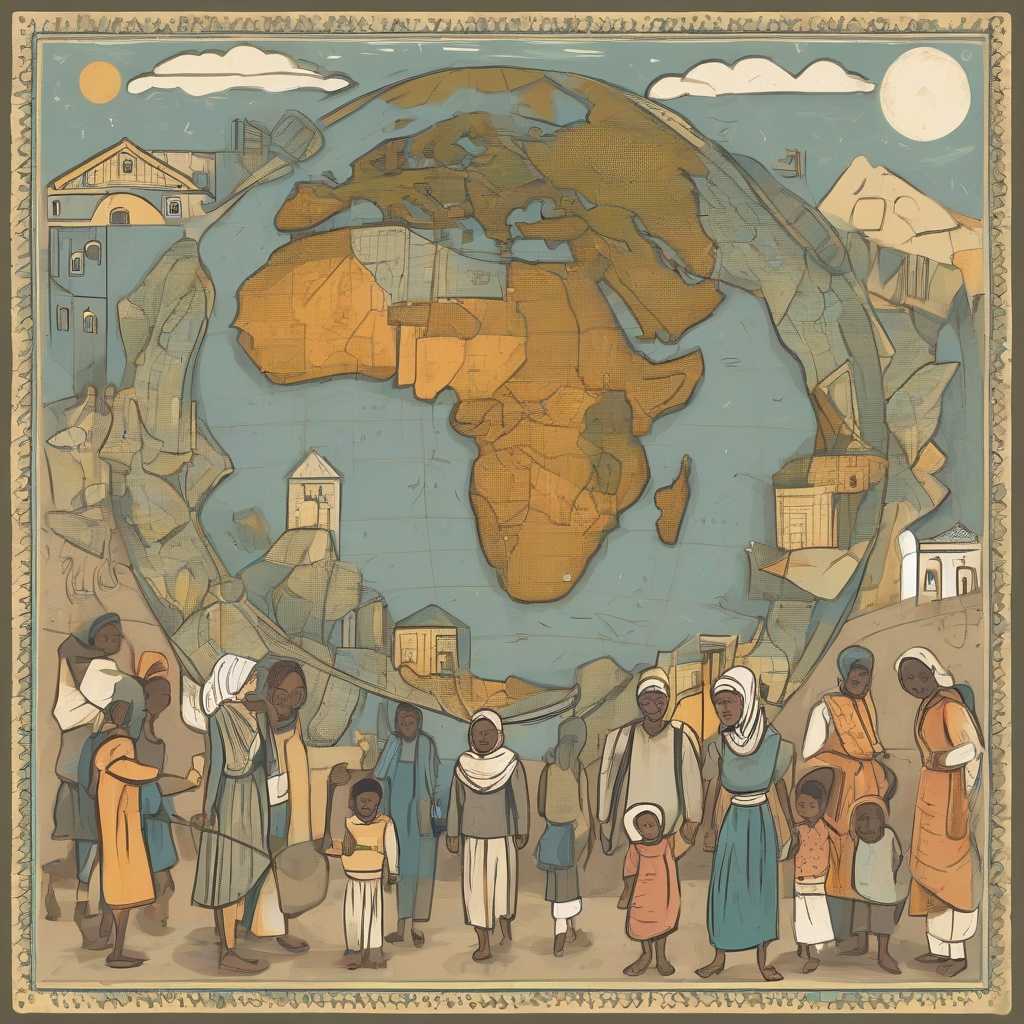
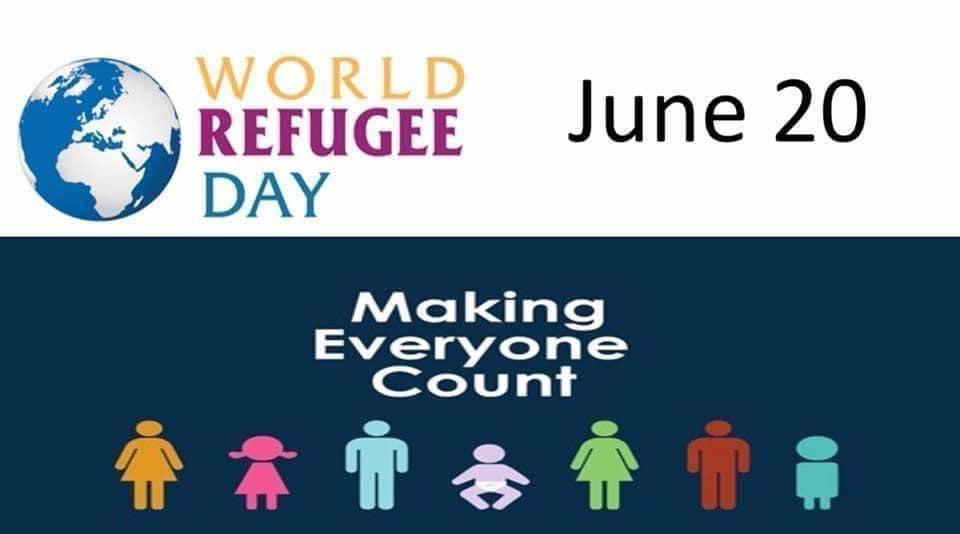
June 20, World Refugee Day: Honoring the Strength and Resilience of Refugee Families


Every year on June 20, the world comes together to observe World Refugee Day, a day dedicated to raising awareness about the plight of refugees and celebrating their strength and resilience. This year’s theme, “Together We Heal, Learn, and Shine,” focuses particularly on the family unit and how they are affected by the hardships of displacement and the enduring hope they embody in their pursuit of a better life.

The Family: A Pillar of Strength Amidst Displacement

Families are often the first line of support and the primary source of comfort and stability for individuals facing the trauma of displacement. The journey of a refugee family is fraught with numerous challenges—from fleeing conflict or persecution, enduring perilous travels, to facing uncertainty and often harsh conditions in refugee camps or host countries. These experiences can take a severe toll on the mental, physical, and emotional well-being of every family member.

The Impact on Children

Children, who constitute about half of the global refugee population, are particularly vulnerable. Displacement disrupts their education, which is crucial for their development and future opportunities. Refugee children often face barriers to accessing education in host countries due to language differences, lack of resources, or legal restrictions. Many are also at risk of exploitation, including child labor and trafficking.

The Role of Mothers

Mothers in refugee families often bear the brunt of maintaining a semblance of normalcy for their children. They strive to provide emotional support, ensure the family’s safety, and find ways to secure food and shelter despite the scarcity of resources. Their resilience and determination are the bedrock upon which many refugee families rebuild their lives.

The Struggles of Fathers

Fathers, too, face immense pressure to support their families in displacement. The loss of employment and the inability to provide can lead to a sense of helplessness and depression. Yet, many fathers work tirelessly to find any available means to sustain their families, from odd jobs in host countries to seeking assistance from aid organizations.

Community Support and Global Solidarity

The role of community support cannot be overstated in the lives of refugee families. Host communities and international organizations play a critical role in providing essential services such as healthcare, education, and legal assistance. Initiatives that foster community integration help refugee families to heal and adapt to new environments.

Organizations like the United Nations High Commissioner for Refugees (#UNHCR), and so many others around the world, work tirelessly to protect the rights and well-being of refugees. They provide shelter, food, and medical care, and advocate for policies that promote the inclusion and dignity of refugees worldwide.

Calls for Action

This World Refugee Day, the global community is called to action to support refugee families. This includes:

1. Ensuring Access to Education: Providing refugee children with the opportunity to learn and grow in a safe environment is crucial. This involves building schools, training teachers, and offering language and cultural integration programs.

2. Promoting Mental Health Services: Addressing the psychological impact of displacement on refugee families by offering counseling and mental health support.

3. Economic Empowerment: Creating opportunities for refugee families to achieve financial independence through job training, access to employment, and support for small businesses.

4. Strengthening Legal Protections: Advocating for policies that protect the rights of refugees, ensuring they have access to legal documentation, and are safe from discrimination and exploitation.

Conclusion

World Refugee Day is a reminder of the strength, courage, and resilience of refugee families. Despite the adversities they face, these families continue to strive for a future where they can heal, learn, and shine. As global citizens, it is our responsibility to support and stand in solidarity with them, ensuring they are given the opportunities and protection they need to rebuild their lives and contribute to the fabric of our shared humanity.

This June 20, let us honor the refugee families who, in the face of unimaginable hardships, show us the true meaning of resilience and hope. Let us work together to create a world where every refugee family can thrive.

#FamilyRights #NewLeadership #WorldFamilyOrganization #WorldRefugeeDay


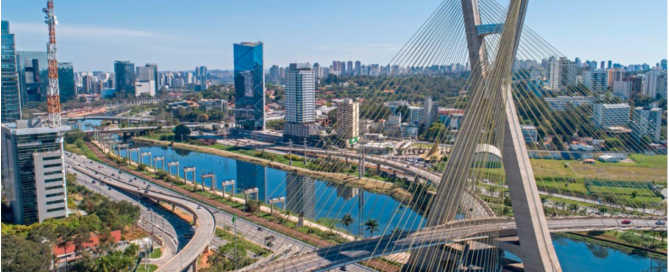
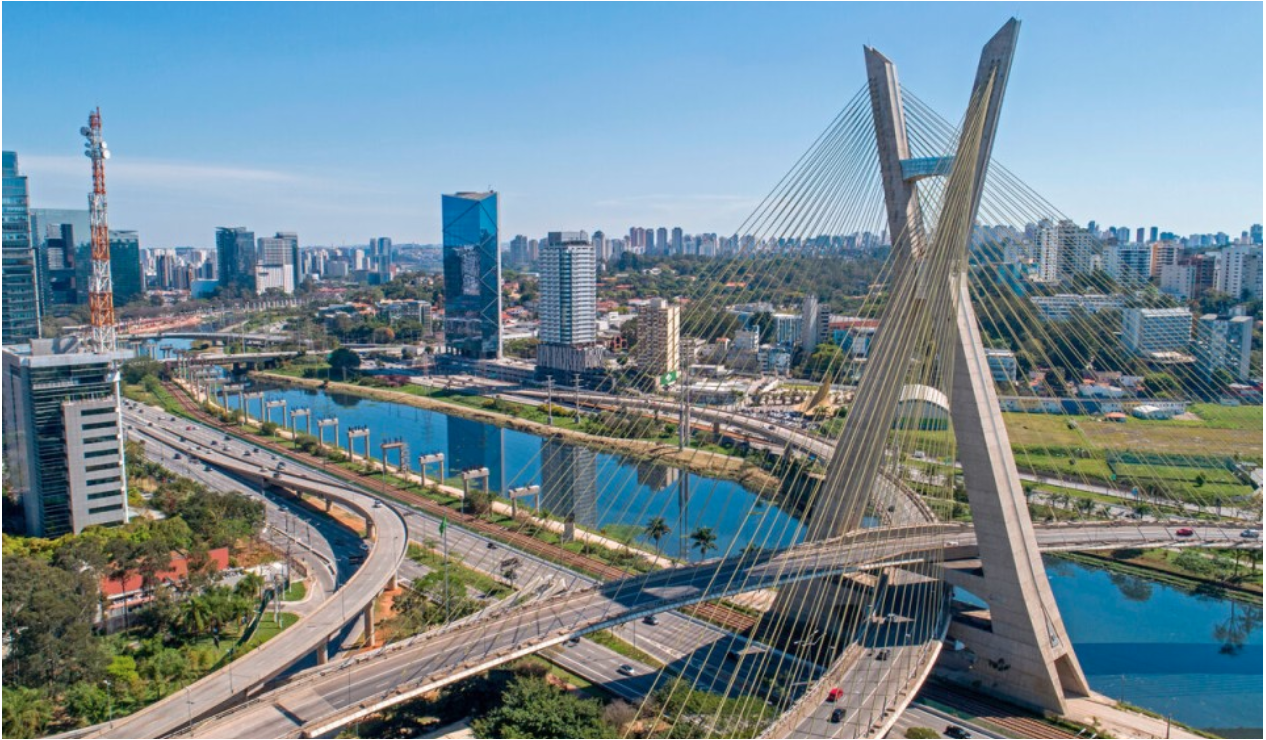
São Paulo and Rio de Janeiro Lead Global Cities in Influencing G20 at Urban 20 Summit of Mayors


In a powerful display of urban leadership, São Paulo and Rio de Janeiro recently hosted, in São Paulo, the Urban 20 (U20) #Summit of #Mayors, gathering global city leaders to shape and influence the G20 agenda. The focus of this summit was to enhance the well-being of families at the local level through sustainable urban development and innovative financial mechanisms.

Empowering Cities to Boost Family Well-being

Family well-being is increasingly becoming a central focus for city governments. At the U20 Summit, mayors and city officials from around the world shared insights on specific proposals aimed at empowering cities to deliver on these priorities. The discussions centered around the crucial role cities play in addressing global challenges such as climate change, urban finance, and social #equity, all of which directly impact the quality of life for #families.

Climate Ambition and Fairness

One of the key proposals discussed was the need for cities to collaborate with national governments to increase the ambition and fairness of national climate plans. As the host cities for COP30 next year in Belem, Brazil, São Paulo and Rio de Janeiro emphasized the importance of updating these plans to reflect the unique needs and contributions of urban areas.

Cities are on the frontline of climate change, experiencing its effects more acutely and taking more immediate action than many national governments. By integrating city-level initiatives into national climate strategies, there is a greater opportunity to achieve more ambitious and equitable outcomes. This includes ensuring that the most vulnerable populations, often living in urban areas, are protected and supported through resilient infrastructure and inclusive policies.

Unlocking Urban Finance

Another critical area of focus at the U20 Summit was the creation of new guarantee funds to unlock much-needed urban finance. Many cities face significant financial constraints that hinder their ability to implement comprehensive urban development projects. Guarantee funds can mitigate risks for investors, making it more attractive to fund urban projects that improve infrastructure, housing, and public services.

These funds are designed to support sustainable projects that prioritize family well-being, such as affordable housing developments, green public spaces, and enhanced public transportation systems. By providing financial backing, cities can attract private investment and international aid, driving forward projects that might otherwise remain stalled due to lack of funding.

Specific Proposals for the G20

The summit resulted in several specific proposals to present to the G20, aimed at strengthening the role of cities in global governance. These include:

1. Integrating Urban Priorities into National #Climate Plans: Encouraging G20 countries to work closely with their cities to incorporate urban initiatives into national climate commitments ahead of COP30.

2. Establishing Urban Guarantee Funds: Creating new financial instruments to reduce investment risks and attract funding for urban development projects that benefit families and communities.

3. Promoting Sustainable Urbanization: Developing policies that support sustainable urban growth, including investments in renewable energy, sustainable transport, and resilient infrastructure.

4. Enhancing Social Equity: Ensuring that urban development policies are inclusive and equitable, providing opportunities and protections for all urban residents, especially marginalized communities.

Conclusion

The U20 Summit of Mayors in São Paulo highlighted the critical role of cities in addressing global challenges and improving the well-being of families at the local level. By influencing the G20 agenda, these urban leaders are advocating for greater recognition and support of city-led initiatives that drive sustainable and inclusive urban development. As the world looks toward COP30 in Belem next year, the collaborative efforts of cities and national governments will be essential in achieving meaningful progress on climate action and urban resilience, ultimately enhancing the quality of life for families worldwide.

#FamilyRights #NewLeadership #WorldFamilyOrganization


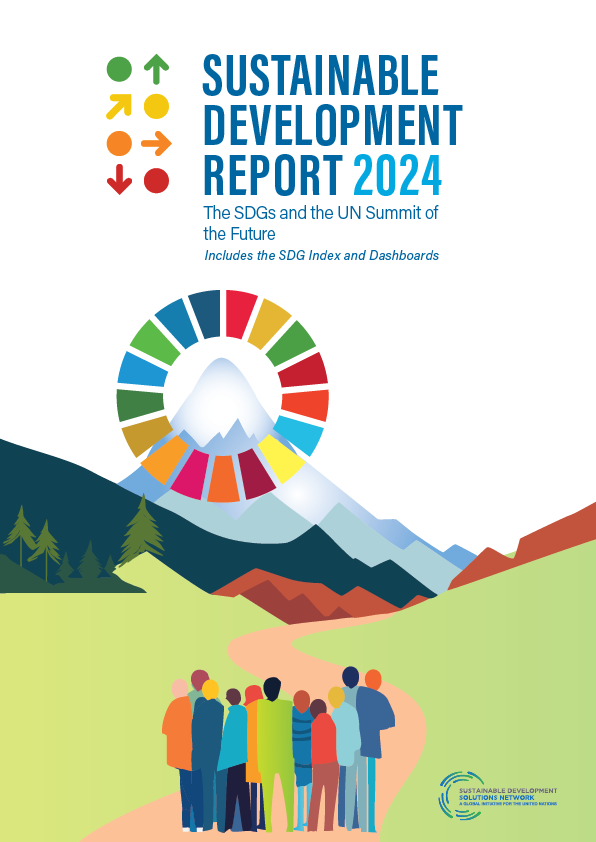
Sustainable Development Report 2024 The SDGs and the UN Summit of the Future

Today the UNToday the UN Sustainable Development Solutions Network (SDSN) releases the 9th edition of the Sustainable Development Report (SDR)Since 2015, the SDR, which includes the SDG Index and Dashboards, provides the most up-to-date data to track and rank the performance of all UN Member States on the Sustainable Development Goals (SDGs).

This year’s edition includes a new Index of countries’ support for UN-based multilateralism covering all 193 UN Member States and new FABLE pathways demonstrating how to achieve sustainable food and land systems by mid-century. In addition, the report’s first chapter, endorsed by 100+ leading scientists and practitioners worldwide, identifies priorities to upgrade the United Nations to meet the great challenges of the 21st Century and achieve sustainable development, including five strategies to address the chronic shortfalls in SDG financing. Sustainable Development Solutions Network (SDSN) releases the 9th edition of the Sustainable Development Report (SDR)Since 2015, the SDR, which includes the SDG Index and Dashboards, provides the most up-to-date data to track and rank the performance of all UN Member States on the Sustainable Development Goals (SDGs).

This year’s edition includes a new Index of countries’ support for UN-based multilateralism covering all 193 UN Member States and new FABLE pathways demonstrating how to achieve sustainable food and land systems by mid-century. In addition, the report’s first chapter, endorsed by 100+ leading scientists and practitioners worldwide, identifies priorities to upgrade the United Nations to meet the great challenges of the 21st Century and achieve sustainable development, including five strategies to address the chronic shortfalls in SDG financing.


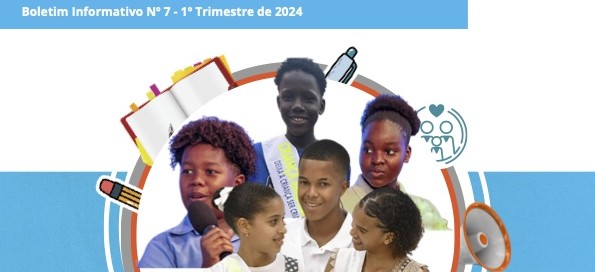
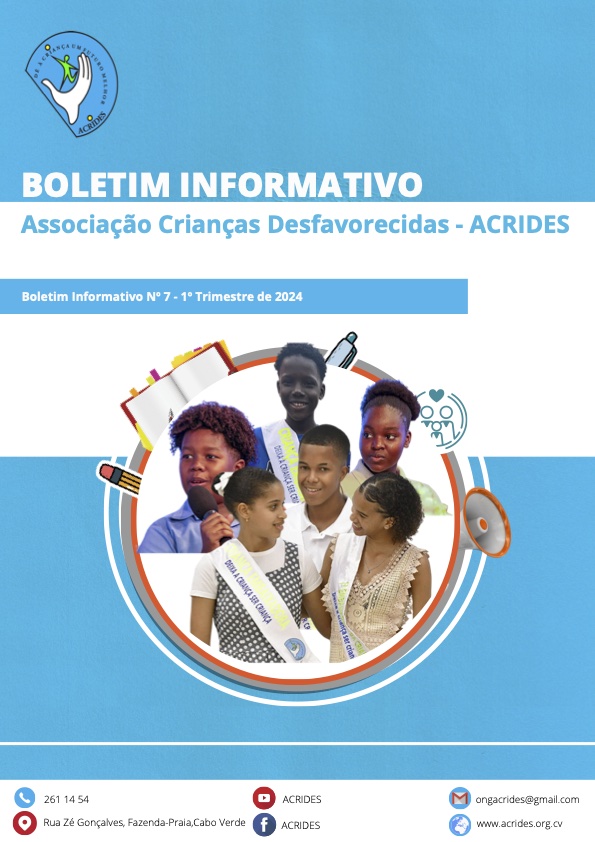
Introducing Bulletin No. 7: Activities of ACRIDES – Associação Crianças Desfavorecidas


🇨🇻 🇨🇻 🇨🇻 – Cabo Verde

We are excited to present –> Bulletin No. 7 <–, highlighting the latest activities of World Family Organization member, ACRIDES – Associação Crianças Desfavorecidas. ACRIDES is a non-profit, private law association dedicated to promoting and defending the rights and duties of children and their families.

Founded on January 23, 1998, in the city of Praia by 15 members, ACRIDES was officially recognized on March 7 of the same year. This NGO was envisioned by its co-founder, Lourença Tavares, to advocate for children’s rights and duties. The organization operates in four main areas: Education, Health, Social Protection, and Promotion of Volunteering.

ACRIDES is endowed with legal personality and is recognized by the Government of Cabo Verde as a public utility entity, as per BO No. 23, II SERIES of June 14, 2006. The association’s philosophy revolves around social solidarity for the benefit of the most vulnerable children and families, with the primary objectives of promoting and disseminating the rights and duties of children to ensure their integral and harmonious development.

On August 7, 2019, in collaboration with the French diaspora, ACRIDES Paris was established. This branch aims to defend children’s rights and act for the protection of children in France, Cabo Verde, and beyond.

We invite you to read Bulletin No. 7 to learn more about our ongoing efforts and achievements in these crucial areas. Together, we can continue to make a difference in the lives of children and families.

#ACRIDES #ChildrensRights #Education #Health #SocialProtection #Volunteering #CaboVerde #NGO #WorldFamilyOrganization


Go to Top