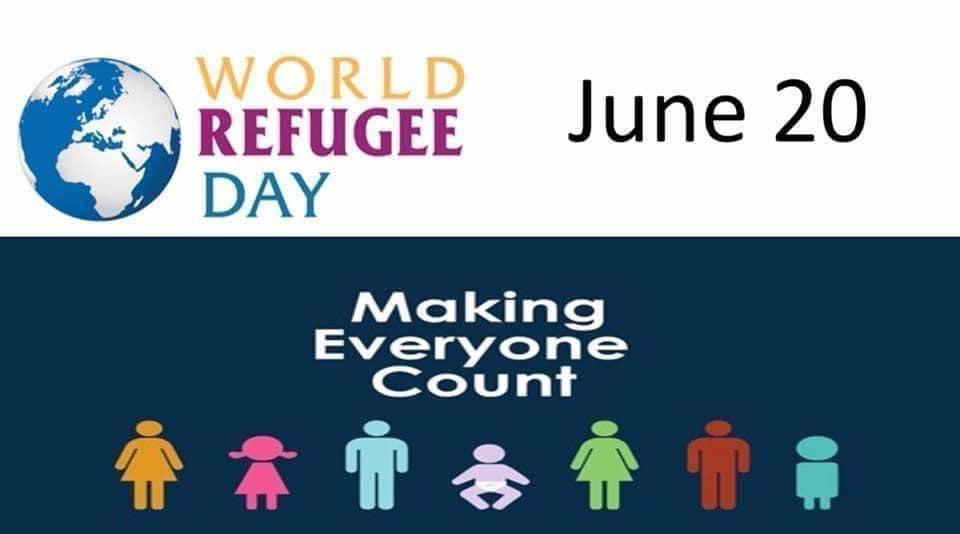



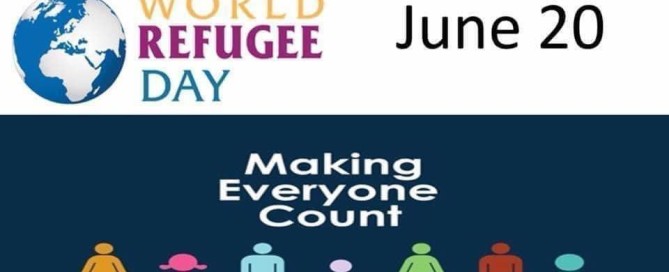
June 20, World Refugee Day: Honoring the Strength and Resilience of Refugee Families
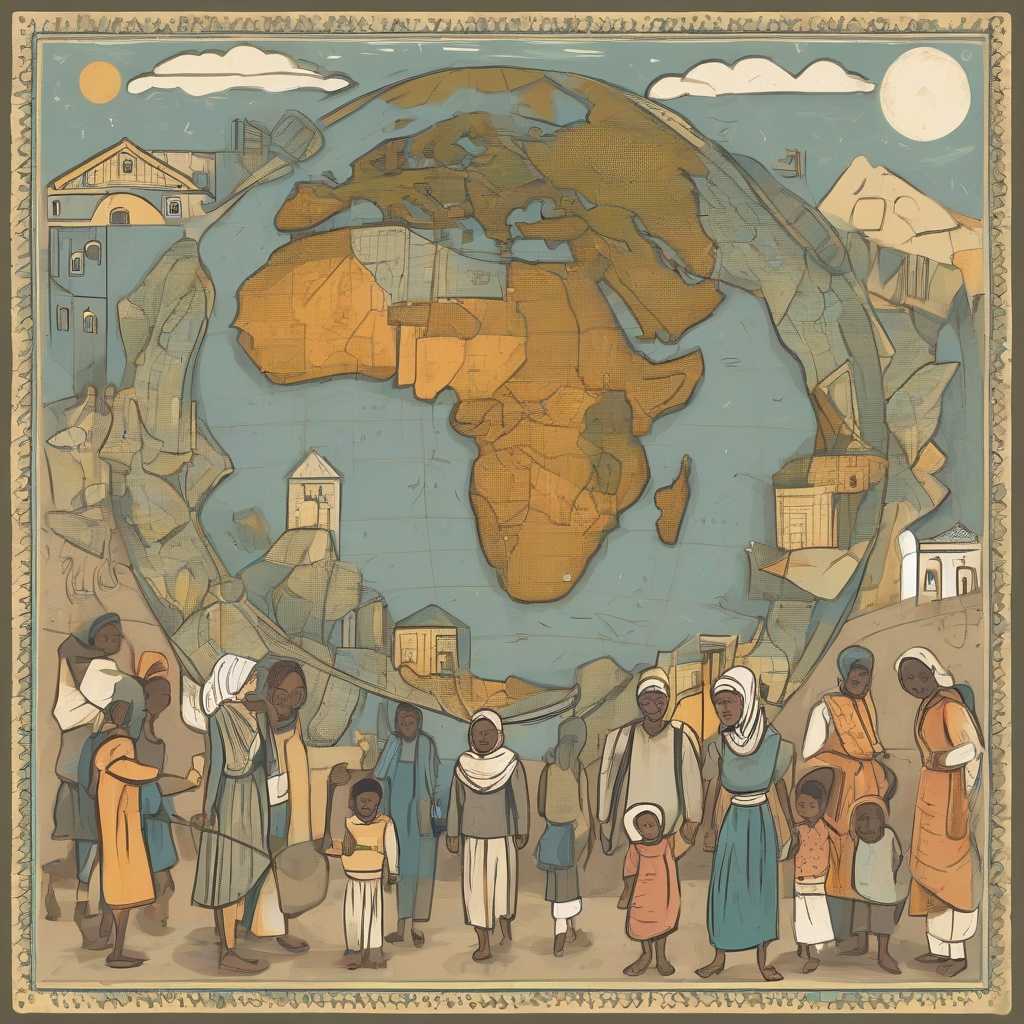
Every year on June 20, the world comes together to observe World Refugee Day, a day dedicated to raising awareness about the plight of refugees and celebrating their strength and resilience. This year’s theme, “Together We Heal, Learn, and Shine,” focuses particularly on the family unit and how they are affected by the hardships of displacement and the enduring hope they embody in their pursuit of a better life.
The Family: A Pillar of Strength Amidst Displacement
Families are often the first line of support and the primary source of comfort and stability for individuals facing the trauma of displacement. The journey of a refugee family is fraught with numerous challenges—from fleeing conflict or persecution, enduring perilous travels, to facing uncertainty and often harsh conditions in refugee camps or host countries. These experiences can take a severe toll on the mental, physical, and emotional well-being of every family member.
The Impact on Children
Children, who constitute about half of the global refugee population, are particularly vulnerable. Displacement disrupts their education, which is crucial for their development and future opportunities. Refugee children often face barriers to accessing education in host countries due to language differences, lack of resources, or legal restrictions. Many are also at risk of exploitation, including child labor and trafficking.
The Role of Mothers
Mothers in refugee families often bear the brunt of maintaining a semblance of normalcy for their children. They strive to provide emotional support, ensure the family’s safety, and find ways to secure food and shelter despite the scarcity of resources. Their resilience and determination are the bedrock upon which many refugee families rebuild their lives.
The Struggles of Fathers
Fathers, too, face immense pressure to support their families in displacement. The loss of employment and the inability to provide can lead to a sense of helplessness and depression. Yet, many fathers work tirelessly to find any available means to sustain their families, from odd jobs in host countries to seeking assistance from aid organizations.
Community Support and Global Solidarity
The role of community support cannot be overstated in the lives of refugee families. Host communities and international organizations play a critical role in providing essential services such as healthcare, education, and legal assistance. Initiatives that foster community integration help refugee families to heal and adapt to new environments.
Organizations like the United Nations High Commissioner for Refugees (#UNHCR), and so many others around the world, work tirelessly to protect the rights and well-being of refugees. They provide shelter, food, and medical care, and advocate for policies that promote the inclusion and dignity of refugees worldwide.
Calls for Action
This World Refugee Day, the global community is called to action to support refugee families. This includes:
1. Ensuring Access to Education: Providing refugee children with the opportunity to learn and grow in a safe environment is crucial. This involves building schools, training teachers, and offering language and cultural integration programs.
2. Promoting Mental Health Services: Addressing the psychological impact of displacement on refugee families by offering counseling and mental health support.
3. Economic Empowerment: Creating opportunities for refugee families to achieve financial independence through job training, access to employment, and support for small businesses.
4. Strengthening Legal Protections: Advocating for policies that protect the rights of refugees, ensuring they have access to legal documentation, and are safe from discrimination and exploitation.
Conclusion
World Refugee Day is a reminder of the strength, courage, and resilience of refugee families. Despite the adversities they face, these families continue to strive for a future where they can heal, learn, and shine. As global citizens, it is our responsibility to support and stand in solidarity with them, ensuring they are given the opportunities and protection they need to rebuild their lives and contribute to the fabric of our shared humanity.
This June 20, let us honor the refugee families who, in the face of unimaginable hardships, show us the true meaning of resilience and hope. Let us work together to create a world where every refugee family can thrive.
#FamilyRights #NewLeadership #WorldFamilyOrganization #WorldRefugeeDay
São Paulo and Rio de Janeiro Lead Global Cities in Influencing G20 at Urban 20 Summit of Mayors
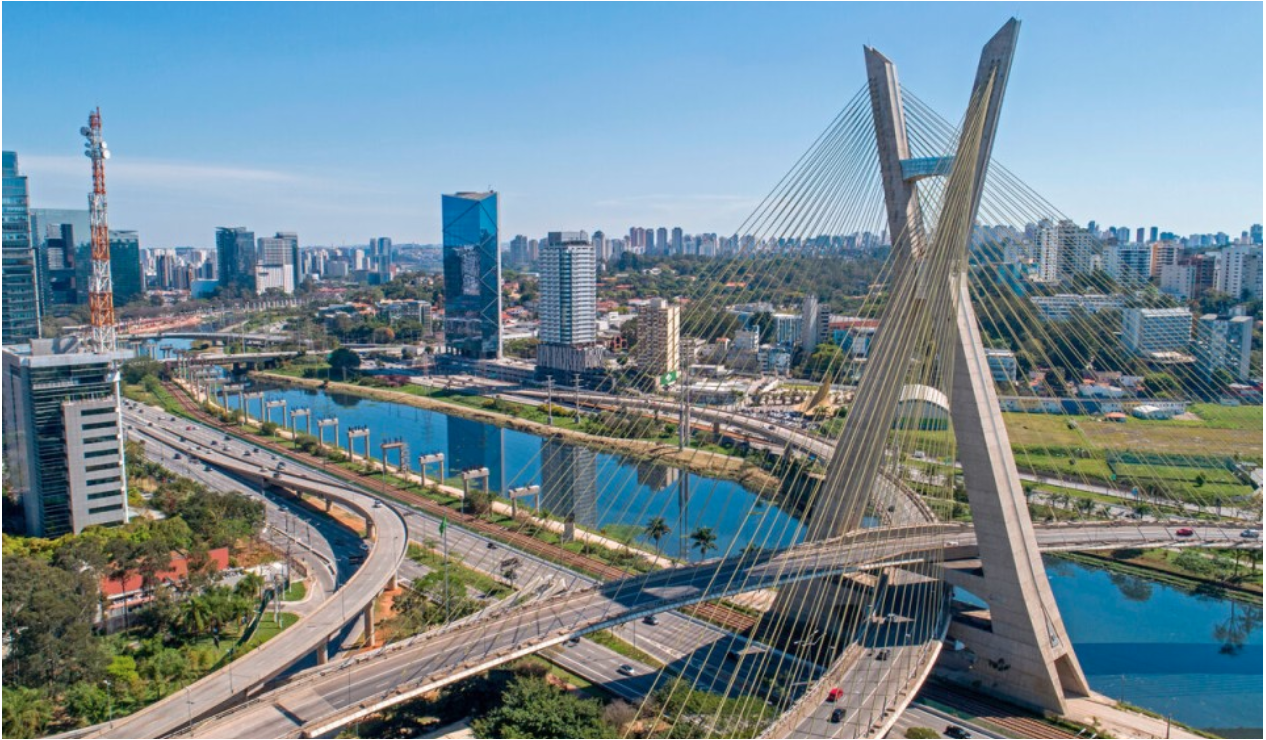
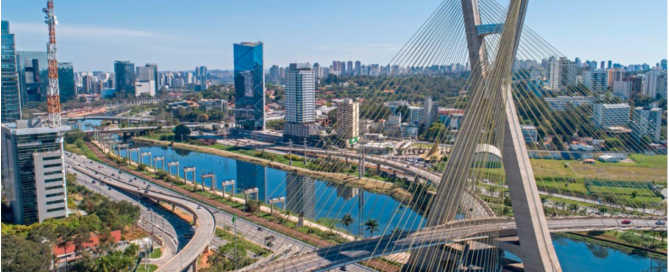
In a powerful display of urban leadership, São Paulo and Rio de Janeiro recently hosted, in São Paulo, the Urban 20 (U20) #Summit of #Mayors, gathering global city leaders to shape and influence the G20 agenda. The focus of this summit was to enhance the well-being of families at the local level through sustainable urban development and innovative financial mechanisms.
Empowering Cities to Boost Family Well-being
Family well-being is increasingly becoming a central focus for city governments. At the U20 Summit, mayors and city officials from around the world shared insights on specific proposals aimed at empowering cities to deliver on these priorities. The discussions centered around the crucial role cities play in addressing global challenges such as climate change, urban finance, and social #equity, all of which directly impact the quality of life for #families.
Climate Ambition and Fairness
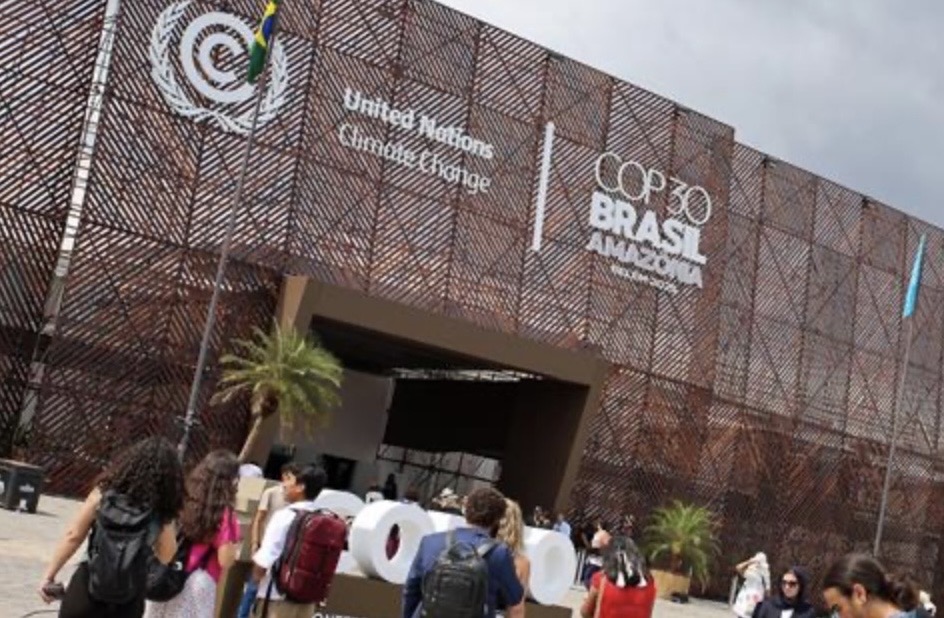
One of the key proposals discussed was the need for cities to collaborate with national governments to increase the ambition and fairness of national climate plans. As the host cities for COP30 next year in Belem, Brazil, São Paulo and Rio de Janeiro emphasized the importance of updating these plans to reflect the unique needs and contributions of urban areas.
Cities are on the frontline of climate change, experiencing its effects more acutely and taking more immediate action than many national governments. By integrating city-level initiatives into national climate strategies, there is a greater opportunity to achieve more ambitious and equitable outcomes. This includes ensuring that the most vulnerable populations, often living in urban areas, are protected and supported through resilient infrastructure and inclusive policies.
Unlocking Urban Finance
Another critical area of focus at the U20 Summit was the creation of new guarantee funds to unlock much-needed urban finance. Many cities face significant financial constraints that hinder their ability to implement comprehensive urban development projects. Guarantee funds can mitigate risks for investors, making it more attractive to fund urban projects that improve infrastructure, housing, and public services.
These funds are designed to support sustainable projects that prioritize family well-being, such as affordable housing developments, green public spaces, and enhanced public transportation systems. By providing financial backing, cities can attract private investment and international aid, driving forward projects that might otherwise remain stalled due to lack of funding.
Specific Proposals for the G20
The summit resulted in several specific proposals to present to the G20, aimed at strengthening the role of cities in global governance. These include:
1. Integrating Urban Priorities into National #Climate Plans: Encouraging G20 countries to work closely with their cities to incorporate urban initiatives into national climate commitments ahead of COP30.
2. Establishing Urban Guarantee Funds: Creating new financial instruments to reduce investment risks and attract funding for urban development projects that benefit families and communities.
3. Promoting Sustainable Urbanization: Developing policies that support sustainable urban growth, including investments in renewable energy, sustainable transport, and resilient infrastructure.
4. Enhancing Social Equity: Ensuring that urban development policies are inclusive and equitable, providing opportunities and protections for all urban residents, especially marginalized communities.
Conclusion
The U20 Summit of Mayors in São Paulo highlighted the critical role of cities in addressing global challenges and improving the well-being of families at the local level. By influencing the G20 agenda, these urban leaders are advocating for greater recognition and support of city-led initiatives that drive sustainable and inclusive urban development. As the world looks toward COP30 in Belem next year, the collaborative efforts of cities and national governments will be essential in achieving meaningful progress on climate action and urban resilience, ultimately enhancing the quality of life for families worldwide.
#FamilyRights #NewLeadership #WorldFamilyOrganization