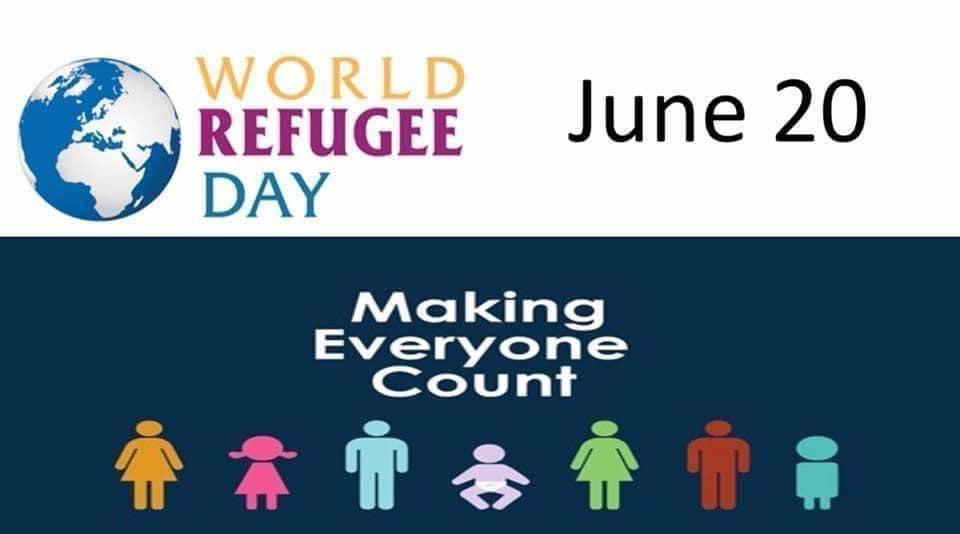
June 20, World Refugee Day: Honoring the Strength and Resilience of Refugee Families


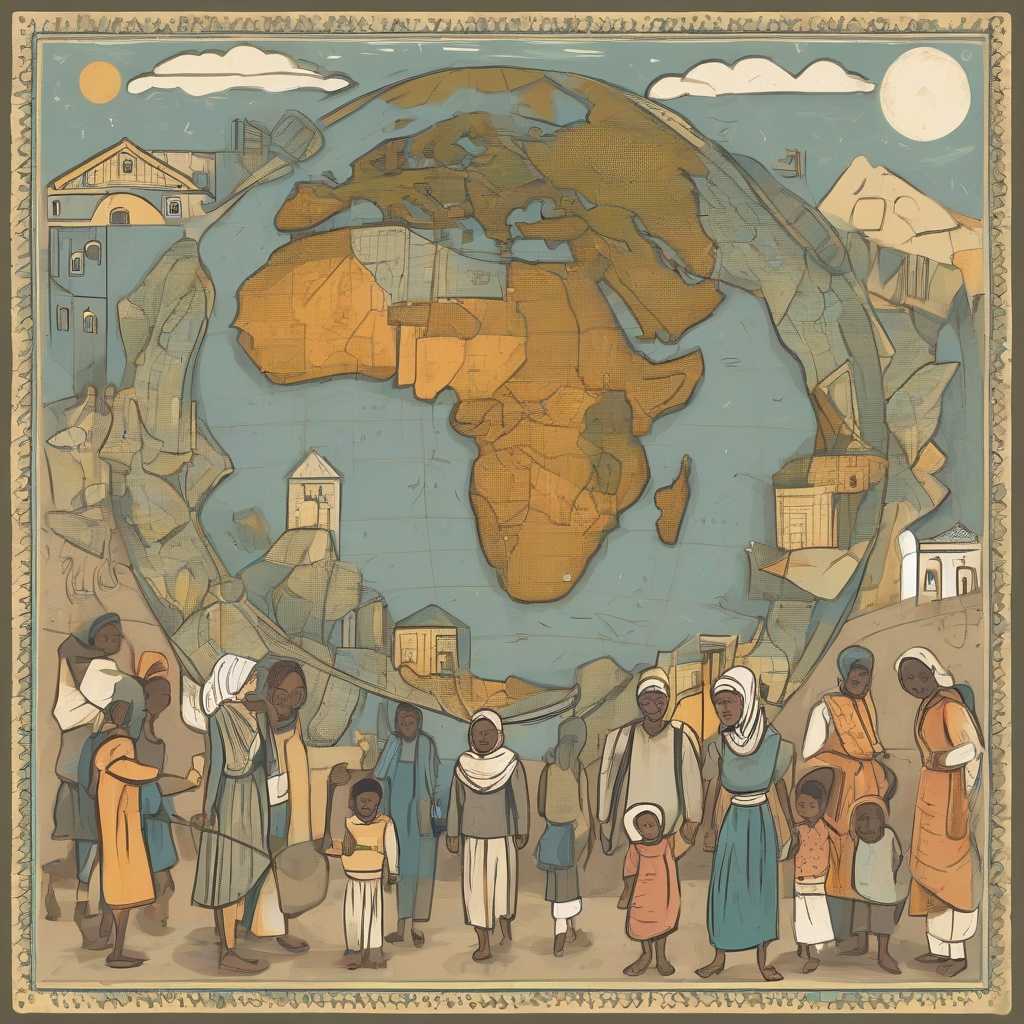
Every year on June 20, the world comes together to observe World Refugee Day, a day dedicated to raising awareness about the plight of refugees and celebrating their strength and resilience. This year’s theme, “Together We Heal, Learn, and Shine,” focuses particularly on the family unit and how they are affected by the hardships of displacement and the enduring hope they embody in their pursuit of a better life.

The Family: A Pillar of Strength Amidst Displacement

Families are often the first line of support and the primary source of comfort and stability for individuals facing the trauma of displacement. The journey of a refugee family is fraught with numerous challenges—from fleeing conflict or persecution, enduring perilous travels, to facing uncertainty and often harsh conditions in refugee camps or host countries. These experiences can take a severe toll on the mental, physical, and emotional well-being of every family member.

The Impact on Children

Children, who constitute about half of the global refugee population, are particularly vulnerable. Displacement disrupts their education, which is crucial for their development and future opportunities. Refugee children often face barriers to accessing education in host countries due to language differences, lack of resources, or legal restrictions. Many are also at risk of exploitation, including child labor and trafficking.

The Role of Mothers

Mothers in refugee families often bear the brunt of maintaining a semblance of normalcy for their children. They strive to provide emotional support, ensure the family’s safety, and find ways to secure food and shelter despite the scarcity of resources. Their resilience and determination are the bedrock upon which many refugee families rebuild their lives.

The Struggles of Fathers

Fathers, too, face immense pressure to support their families in displacement. The loss of employment and the inability to provide can lead to a sense of helplessness and depression. Yet, many fathers work tirelessly to find any available means to sustain their families, from odd jobs in host countries to seeking assistance from aid organizations.

Community Support and Global Solidarity

The role of community support cannot be overstated in the lives of refugee families. Host communities and international organizations play a critical role in providing essential services such as healthcare, education, and legal assistance. Initiatives that foster community integration help refugee families to heal and adapt to new environments.

Organizations like the United Nations High Commissioner for Refugees (#UNHCR), and so many others around the world, work tirelessly to protect the rights and well-being of refugees. They provide shelter, food, and medical care, and advocate for policies that promote the inclusion and dignity of refugees worldwide.

Calls for Action

This World Refugee Day, the global community is called to action to support refugee families. This includes:

1. Ensuring Access to Education: Providing refugee children with the opportunity to learn and grow in a safe environment is crucial. This involves building schools, training teachers, and offering language and cultural integration programs.

2. Promoting Mental Health Services: Addressing the psychological impact of displacement on refugee families by offering counseling and mental health support.

3. Economic Empowerment: Creating opportunities for refugee families to achieve financial independence through job training, access to employment, and support for small businesses.

4. Strengthening Legal Protections: Advocating for policies that protect the rights of refugees, ensuring they have access to legal documentation, and are safe from discrimination and exploitation.

Conclusion

World Refugee Day is a reminder of the strength, courage, and resilience of refugee families. Despite the adversities they face, these families continue to strive for a future where they can heal, learn, and shine. As global citizens, it is our responsibility to support and stand in solidarity with them, ensuring they are given the opportunities and protection they need to rebuild their lives and contribute to the fabric of our shared humanity.

This June 20, let us honor the refugee families who, in the face of unimaginable hardships, show us the true meaning of resilience and hope. Let us work together to create a world where every refugee family can thrive.

#FamilyRights #NewLeadership #WorldFamilyOrganization #WorldRefugeeDay
 

São Paulo and Rio de Janeiro Lead Global Cities in Influencing G20 at Urban 20 Summit of Mayors


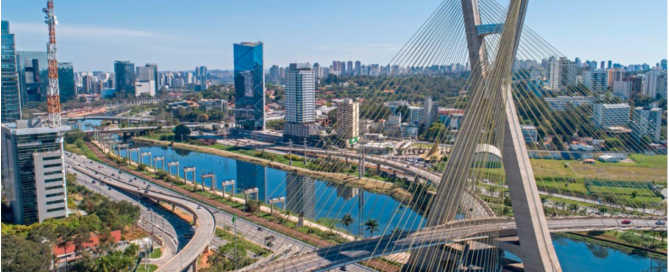
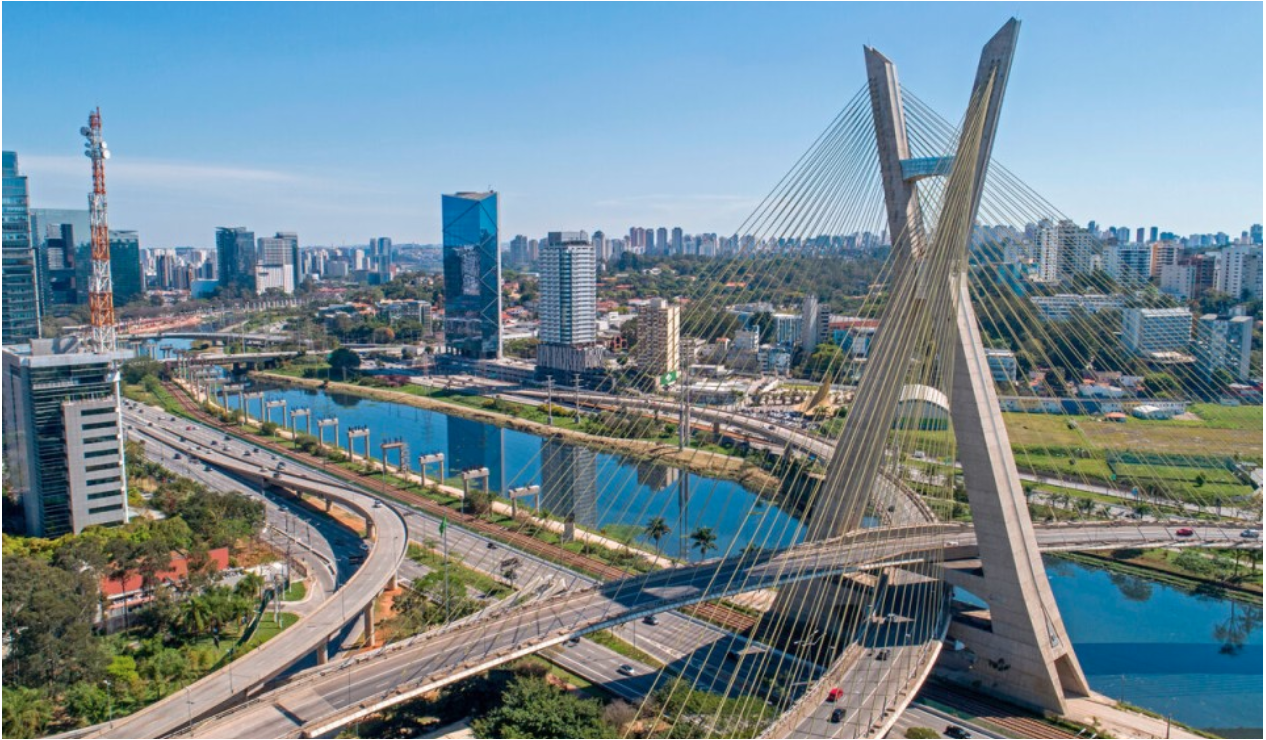
In a powerful display of urban leadership, São Paulo and Rio de Janeiro recently hosted, in São Paulo, the Urban 20 (U20) #Summit of #Mayors, gathering global city leaders to shape and influence the G20 agenda. The focus of this summit was to enhance the well-being of families at the local level through sustainable urban development and innovative financial mechanisms.

Empowering Cities to Boost Family Well-being

Family well-being is increasingly becoming a central focus for city governments. At the U20 Summit, mayors and city officials from around the world shared insights on specific proposals aimed at empowering cities to deliver on these priorities. The discussions centered around the crucial role cities play in addressing global challenges such as climate change, urban finance, and social #equity, all of which directly impact the quality of life for #families.

Climate Ambition and Fairness

One of the key proposals discussed was the need for cities to collaborate with national governments to increase the ambition and fairness of national climate plans. As the host cities for COP30 next year in Belem, Brazil, São Paulo and Rio de Janeiro emphasized the importance of updating these plans to reflect the unique needs and contributions of urban areas.

Cities are on the frontline of climate change, experiencing its effects more acutely and taking more immediate action than many national governments. By integrating city-level initiatives into national climate strategies, there is a greater opportunity to achieve more ambitious and equitable outcomes. This includes ensuring that the most vulnerable populations, often living in urban areas, are protected and supported through resilient infrastructure and inclusive policies.

Unlocking Urban Finance

Another critical area of focus at the U20 Summit was the creation of new guarantee funds to unlock much-needed urban finance. Many cities face significant financial constraints that hinder their ability to implement comprehensive urban development projects. Guarantee funds can mitigate risks for investors, making it more attractive to fund urban projects that improve infrastructure, housing, and public services.

These funds are designed to support sustainable projects that prioritize family well-being, such as affordable housing developments, green public spaces, and enhanced public transportation systems. By providing financial backing, cities can attract private investment and international aid, driving forward projects that might otherwise remain stalled due to lack of funding.

Specific Proposals for the G20

The summit resulted in several specific proposals to present to the G20, aimed at strengthening the role of cities in global governance. These include:

1. Integrating Urban Priorities into National #Climate Plans: Encouraging G20 countries to work closely with their cities to incorporate urban initiatives into national climate commitments ahead of COP30.

2. Establishing Urban Guarantee Funds: Creating new financial instruments to reduce investment risks and attract funding for urban development projects that benefit families and communities.

3. Promoting Sustainable Urbanization: Developing policies that support sustainable urban growth, including investments in renewable energy, sustainable transport, and resilient infrastructure.

4. Enhancing Social Equity: Ensuring that urban development policies are inclusive and equitable, providing opportunities and protections for all urban residents, especially marginalized communities.

Conclusion

The U20 Summit of Mayors in São Paulo highlighted the critical role of cities in addressing global challenges and improving the well-being of families at the local level. By influencing the G20 agenda, these urban leaders are advocating for greater recognition and support of city-led initiatives that drive sustainable and inclusive urban development. As the world looks toward COP30 in Belem next year, the collaborative efforts of cities and national governments will be essential in achieving meaningful progress on climate action and urban resilience, ultimately enhancing the quality of life for families worldwide.

#FamilyRights #NewLeadership #WorldFamilyOrganization


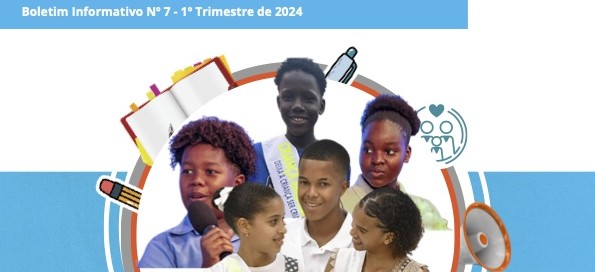
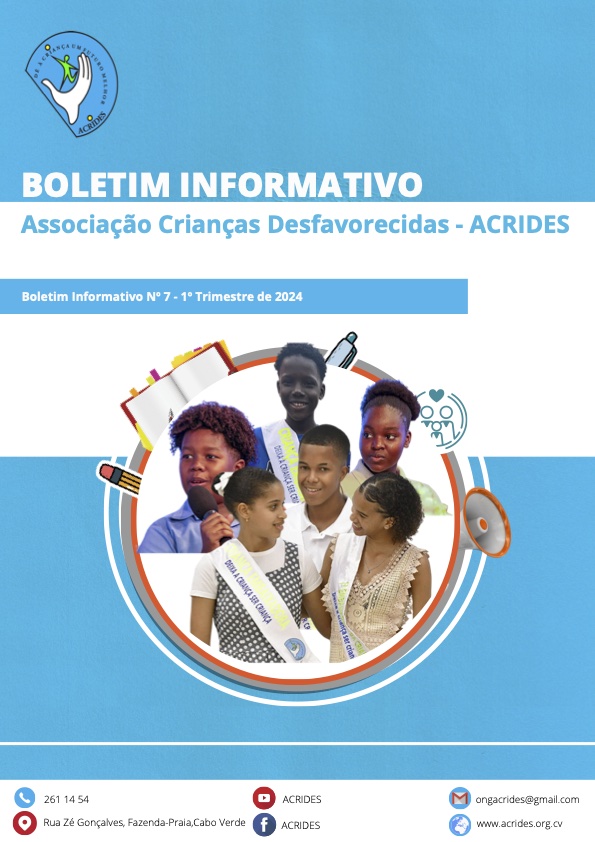
Introducing Bulletin No. 7: Activities of ACRIDES – Associação Crianças Desfavorecidas


🇨🇻 🇨🇻 🇨🇻 – Cabo Verde

We are excited to present –> Bulletin No. 7 <–, highlighting the latest activities of World Family Organization member, ACRIDES – Associação Crianças Desfavorecidas. ACRIDES is a non-profit, private law association dedicated to promoting and defending the rights and duties of children and their families.

Founded on January 23, 1998, in the city of Praia by 15 members, ACRIDES was officially recognized on March 7 of the same year. This NGO was envisioned by its co-founder, Lourença Tavares, to advocate for children’s rights and duties. The organization operates in four main areas: Education, Health, Social Protection, and Promotion of Volunteering.

ACRIDES is endowed with legal personality and is recognized by the Government of Cabo Verde as a public utility entity, as per BO No. 23, II SERIES of June 14, 2006. The association’s philosophy revolves around social solidarity for the benefit of the most vulnerable children and families, with the primary objectives of promoting and disseminating the rights and duties of children to ensure their integral and harmonious development.

On August 7, 2019, in collaboration with the French diaspora, ACRIDES Paris was established. This branch aims to defend children’s rights and act for the protection of children in France, Cabo Verde, and beyond.

We invite you to read Bulletin No. 7 to learn more about our ongoing efforts and achievements in these crucial areas. Together, we can continue to make a difference in the lives of children and families.

#ACRIDES #ChildrensRights #Education #Health #SocialProtection #Volunteering #CaboVerde #NGO #WorldFamilyOrganization


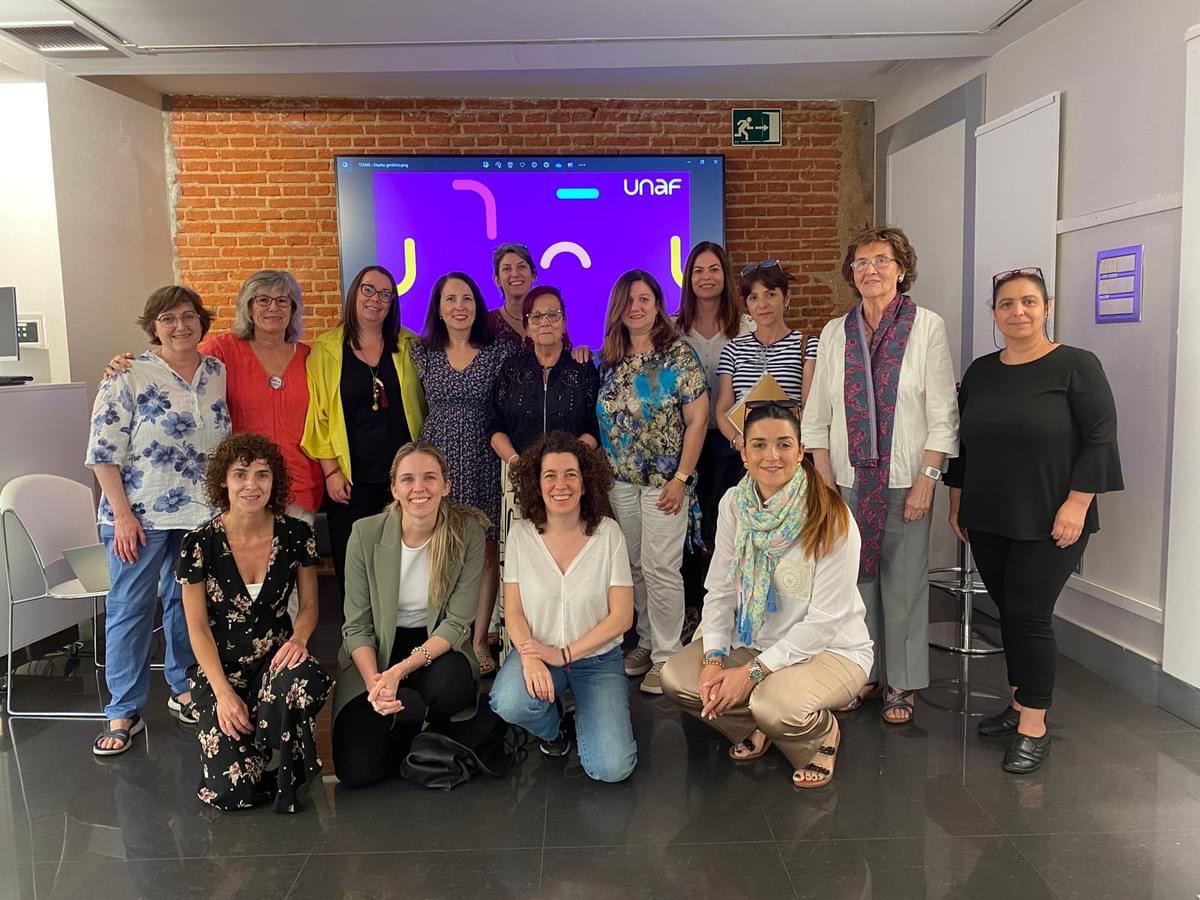
Congratulations to UNAF – Unión de Asociaciones Familiares on the Election of the New Executive Board


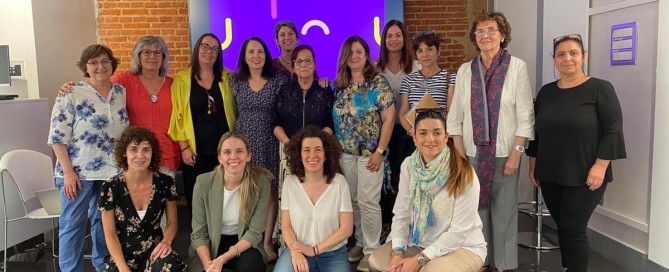
We are thrilled to congratulate our esteemed member, UNAF – Unión de Asociaciones Familiares, on the election of their new Executive Board. This achievement marks another significant step in their ongoing efforts to advance family rights and improve the lives of families in all their diversity.

As every year, the UNAF entities have gathered at the General Assembly to review their work, share projects, and define actions and strategies to continue progressing in family rights. It was a wonderful occasion to reconnect, strengthen ties, and reinforce our network! 😊🙌

The newly elected Executive Board is composed of:
🟣 Federación De Mujeres Progresistas (President)
🟡 Mensajeros de la Paz España (Vice President)
🟠 Asociación Solidaridad con Madres Solteras (Secretary General)
🔵 Asociación de Ayuda a la Mujer Plaza Mayor (Treasurer)
🟢 FESPAU-Federación Española de Autismo (Board Member)
🔴 Bidegintza GEK (Board Member)

We wish the new Executive Board all the success in their endeavors and look forward to seeing the positive impact of their work. Congratulations once again!

#UNAF #FamilyRights #NewLeadership #WorldFamilyOrganization


Excite announce about the launch of the “Quick Guide to Boost Citizens’ Engagement in Cities!

Congratulations to Bloomberg Philanthropies and Harvard University for this join efforts to find valuable insights and practical steps to foster civic engagement for a more equitable, inclusive and responsive urban environments.

This comprehensive guide is designed to empower families and individuals to become more actively involved in their communities, fostering stronger connections and creating a more vibrant urban environment.

Family is at the heart of every community. When families are engaged in city life, they bring energy, ideas, and a sense of belonging that can transform neighborhoods. This Quick Guide provides practical tips and strategies to help families get involved in local initiatives, attend community events, and participate in decision-making processes.

By boosting citizen engagement, we can create cities where everyone has a voice and feels valued. Engaged families contribute to safer, more cohesive neighborhoods, where children grow up with a strong sense of community and belonging. This guide aims to make it easier for families to connect with their local government, join civic groups, and support community projects.

Highlights of the Quick Guide include:
– Easy steps to get started with community involvement
– Tips for attending and organizing local events
– Resources for connecting with city officials and neighborhood associations
– Ideas for family-friendly civic activities

Together, we can build communities where families thrive and everyone has the opportunity to contribute to the common good.

Let’s create a brighter future for our cities, starting with our families! 🌟

CommunityEngagement FamilyInvolvement CivicParticipation StrongerTogether

For more information, visit: 🌟 𝗤𝘂𝗶𝗰𝗸 𝗚𝘂𝗶𝗱𝗲 𝘁𝗼 𝗯𝗼𝗼𝘀𝘁 𝗰𝗶𝘁𝗶𝘇𝗲𝗻𝘀 𝗘𝗻𝗴𝗮𝗴𝗲𝗺𝗲𝗻𝘁 𝗶𝗻 𝗖𝗶𝘁𝗶𝗲𝘀 🌟


May 15, World Elder Abuse Awareness Day


Today is World Elder Abuse Awareness Day, a day dedicated to raising awareness about the mistreatment and neglect of our elderly population. As we honor our elders, it is essential to reflect on the values and traditions that form the foundation of our families and communities.

Family is the cornerstone of society, and our elders are the keepers of our history, wisdom, and traditions. They have dedicated their lives to nurturing and guiding us, passing down invaluable lessons and stories that shape our identities. On this day, let us reaffirm our commitment to protecting and respecting them.

Elder abuse can take many forms, including physical, emotional, and financial harm. It is our collective responsibility to ensure that our elders are treated with the dignity and care they deserve. By fostering environments of respect and love, we uphold the values that our elders have instilled in us.

Tradition teaches us to honor and revere our elders, recognizing their contributions and the rich legacy they leave behind. Let’s use today to educate ourselves and others about elder abuse, and to take active steps in our communities to prevent it. Checking in on our older family members, listening to their needs, and advocating for their rights are simple yet powerful ways to show our appreciation.

On World Elder Abuse Awareness Day, let us stand together to protect our elders, celebrate their lives, and uphold the values of family, tradition, and respect. Together, we can build a world where every elder is cherished and valued.

Each of us can take action to protect the elderly. Watching for warning signs, identifying vulnerable community members and other steps can make a difference:

->2024 Theme: Spotlight on Older Persons in Emergencies<-


New Policy Brief on Accelerating SDG Localization Now Available


We are pleased to announce that the Inter-Agency Policy Brief on #Accelerating SDG Localization to deliver on the promise of the 2030 Agenda for Sustainable Development is now available for reading and reflection. This comprehensive policy brief was meticulously prepared by #UNDESA, #UNHabitat, and #UNDP, in close collaboration with the Global Taskforce of Local and Regional Governments and United Cities and Local Governments. Contributions also came from the United Nations Regional Commissions: #UNECA, #UNECE, #UNECLAC, #UNESCAP, and #UNESCWA.

The policy brief delves into critical issues surrounding the local implementation of Sustainable Development Goals (SDGs) to achieve the ambitious 2030 Agenda. SDG localization involves the adaptation and customization of the SDGs, translating them into local development plans and strategies that align with the specific needs, context, and priorities of various regions or localities, while maintaining coherence with national frameworks. With over 65 per cent of SDG targets linked to the responsibilities and mandates of local and regional governments (LRGs), these entities play a pivotal role in recalibrating global development to better tackle future challenges.

As part of an ongoing initiative to advance #SDG localization, UNDESA, in collaboration with an inter-agency taskforce of #UN entities and other relevant stakeholders, will publish a series of policy briefs. These briefs will offer evidence-based recommendations on various topics, including data, monitoring, and reporting; multilevel governance; SDG localization and climate action synergies; and waste and resource circularity.

We highly recommend the reading and reflection on this vital document to better understand and support the significant role of LRGs in achieving sustainable development. Together, let us work towards a brighter, more sustainable future.

Read the policy brief here: ->Link to the document<-

For more information, visit: Inter-Agency Policy


Project on Equitable Access to Safe Drinking Water

Armenia 🇦🇲, Moldova 🇲🇩 and Georgia 🇬🇪

We are thrilled to invite everyone to learn about the project “Facilitating Exchanges of Experiences and Best Practices between Armenia, Georgia, and the Republic of Moldova on Equitable Access to Safe Drinking Water,” developed under the WHO/UNECE Protocol on Water and Health.

This impactful initiative, which aims to significantly improve access to safe drinking water for families, will be led by the Armenian Women for Health and Healthy Environment (AWHHE) NGO, Armenia, in partnership with Eco-TIRAS-Moldova and the International Center for Environmental Research (IFCER), Georgia, a member of the World Family Organization.

We encourage you to follow this project and support our efforts to enhance the well-being of families through better water safety practices.

Learn more HERE

Here please find the link to the case study 

Go to Top