
2024, June 28, Celebrating the 77th Anniversary of the World Family Organization
As we celebrate the 77th anniversary of the World Family Organization (WFO), we take a moment to reflect on our rich history and reaffirm our commitment to addressing the challenges families face around the world today. Originally known as the International Union of Family Organizations (IUFO), the WFO has been a beacon of hope and a pillar of support for families globally since its inception.
The Founding Moment
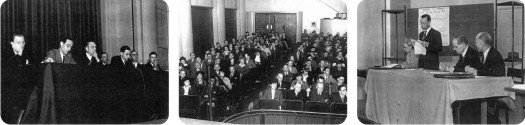
The idea to create an international organization dedicated to family matters was first conceived on June 1, 1946, during an International Congress for Families and Population in Brussels. This vision became a reality when the first World Family Congress was held in Paris from June 22-28, 1947. The newly formed United Nations, along with 200 delegates from 27 nations, founded the IUFO with key objectives such as reuniting families separated by World War II, providing documentation, fostering communication among civil movements for better family life, and representing family interests within governments, public opinion, and international organizations, starting with the United Nations.
The Mission and Activities
From the outset, the IUFO was driven by a singular mission: “to establish a link between all organizations working for the well-being of #families worldwide.” This mission was enshrined in Article I of its statutes and has guided the organization’s work over the decades. Through comprehensive documentation and study services, the #IUFO, now #WFO, has addressed a wide array of family-related issues, including psychological, economic, social, biological, and demographic challenges.
One of the significant ways we have disseminated knowledge and fostered communication is through our publication, “Families in the World.” This bulletin spreads studies on family life, shares achievements from various countries, and highlights critical issues affecting families globally. It also provides information on family organizations and includes analyses and bibliographic references, making it an invaluable resource for anyone dedicated to family well-being.
Triennial Congresses and Study Days
Our commitment to continuous learning and advocacy has been demonstrated through regular triennial congresses and specialized study days. For example, our first General Assembly in July 1948 in Geneva focused on juvenile delinquency and family responsibilities. Upcoming events like the International Family Days in Rome will address pressing issues such as “Family Economy in the Insecurity of the Modern World,” emphasizing support mechanisms like housing allowances, scholarships, and tax exemptions.
Advocacy and International Recognition
A core objective of the IUFO, highlighted in Article V of its statutes, is to “strengthen the bonds of solidarity among all the families of the world.” Over the years, we have pursued this goal by conducting studies, promoting international exchanges, and voicing family needs and aspirations to international bodies and the global public. Our efforts were recognized in 1948 when the United Nations Economic and Social Council granted us consultative status, further endorsed by UNESCO.
We have actively contributed to shaping international policy, exemplified by our involvement in the drafting of the Universal Declaration of Human Rights. Our advocacy ensured that families’ rights to a decent standard of living and appropriate compensation for their responsibilities were recognized on a global stage.
Since the early 2000s, the World Family Organization (WFO) has been at the forefront of reflecting and presenting best practices with significant impacts on family policies through the annual World Family Summits. These summits initially focused on the Millennium Development Goals (MDGs) and now align with the United Nations Sustainable Development Goals (SDGs).
The World Family Summits serve as a critical platform for dialogue, knowledge exchange, and collaboration among family organizations, governments, and international bodies. Each year, these summits bring together experts and stakeholders to discuss and develop innovative approaches to enhancing family well-being globally.
Furthermore, the recommendations and outcomes of the World Family Summits are annually distributed to the United Nations Economic and Social Council (ECOSOC). This ensures that the insights and strategies developed during these summits contribute to global policy-making processes and support the implementation of the SDGs, reinforcing the WFO’s commitment to fostering sustainable development and improving family life worldwide.
Looking Ahead
As we commemorate our 77th anniversary, we remain steadfast in our mission to promote family well-being worldwide. The World Family Organization continues to be a beacon of support, research, and advocacy for families everywhere. Our rich history provides a strong foundation as we face contemporary challenges, reaffirming our commitment to our founding principles and the ongoing pursuit of a better life for families globally.
The journey of the World Family Organization is a testament to the enduring power of collaboration and shared purpose. As we celebrate 77 years of dedicated service, we extend our heartfelt gratitude to all our members, past and present, whose unwavering dedication has propelled our mission forward. Together, we will continue to champion the cause of families and strengthen the bonds that unite us all.
This celebration is not just a reflection on our past achievements but also an invitation to the future. Let us continue to work together towards a world where every family can thrive, upholding the values and objectives that have guided the WFO since its inception. Here’s to many more years of supporting and empowering families worldwide.
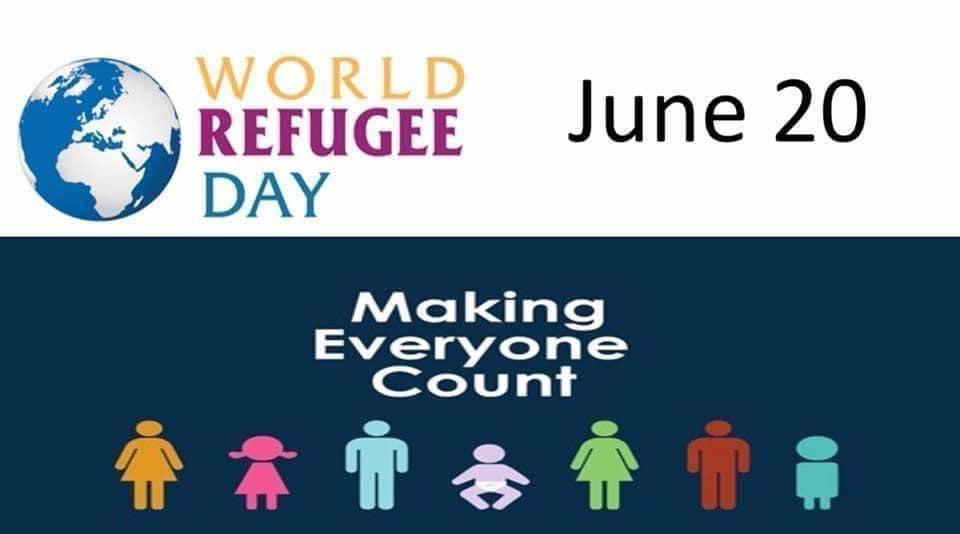
June 20, World Refugee Day: Honoring the Strength and Resilience of Refugee Families
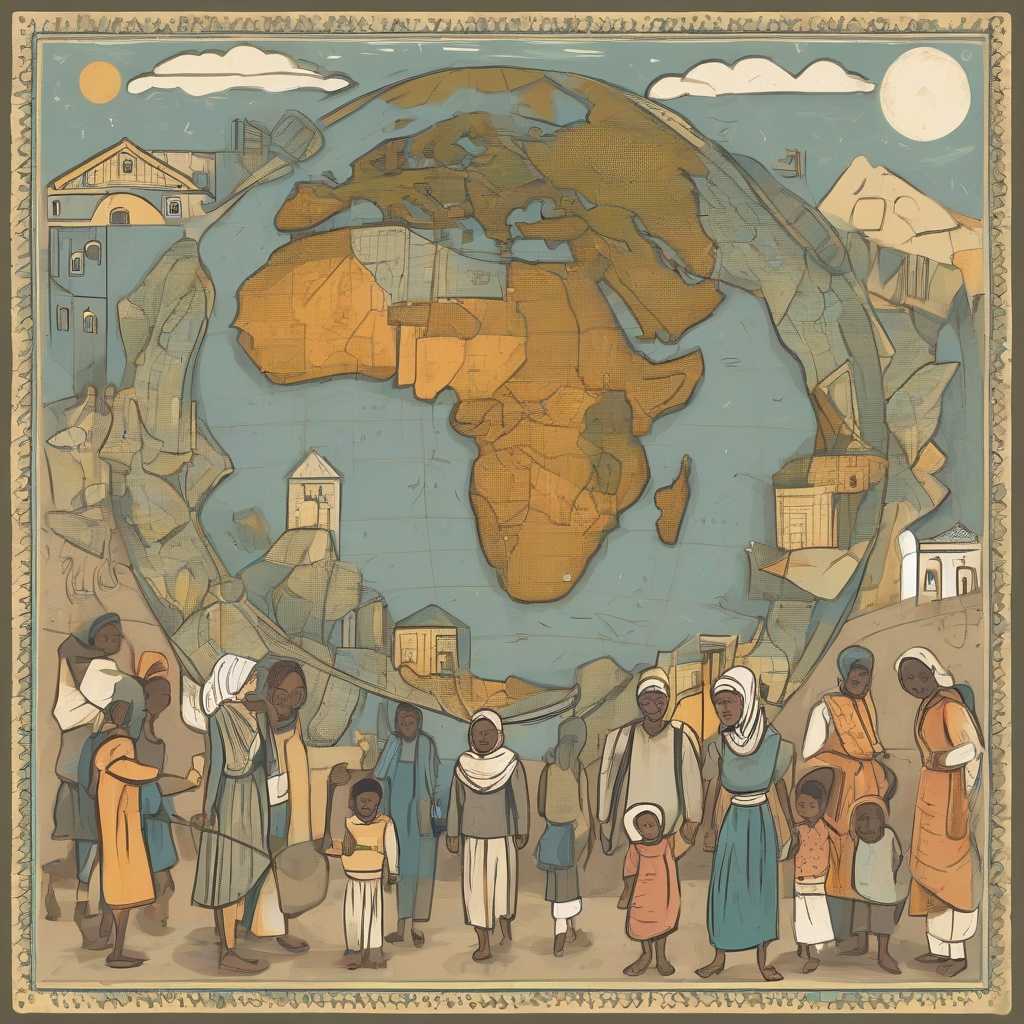
Every year on June 20, the world comes together to observe World Refugee Day, a day dedicated to raising awareness about the plight of refugees and celebrating their strength and resilience. This year’s theme, “Together We Heal, Learn, and Shine,” focuses particularly on the family unit and how they are affected by the hardships of displacement and the enduring hope they embody in their pursuit of a better life.
The Family: A Pillar of Strength Amidst Displacement
Families are often the first line of support and the primary source of comfort and stability for individuals facing the trauma of displacement. The journey of a refugee family is fraught with numerous challenges—from fleeing conflict or persecution, enduring perilous travels, to facing uncertainty and often harsh conditions in refugee camps or host countries. These experiences can take a severe toll on the mental, physical, and emotional well-being of every family member.
The Impact on Children
Children, who constitute about half of the global refugee population, are particularly vulnerable. Displacement disrupts their education, which is crucial for their development and future opportunities. Refugee children often face barriers to accessing education in host countries due to language differences, lack of resources, or legal restrictions. Many are also at risk of exploitation, including child labor and trafficking.
The Role of Mothers
Mothers in refugee families often bear the brunt of maintaining a semblance of normalcy for their children. They strive to provide emotional support, ensure the family’s safety, and find ways to secure food and shelter despite the scarcity of resources. Their resilience and determination are the bedrock upon which many refugee families rebuild their lives.
The Struggles of Fathers
Fathers, too, face immense pressure to support their families in displacement. The loss of employment and the inability to provide can lead to a sense of helplessness and depression. Yet, many fathers work tirelessly to find any available means to sustain their families, from odd jobs in host countries to seeking assistance from aid organizations.
Community Support and Global Solidarity
The role of community support cannot be overstated in the lives of refugee families. Host communities and international organizations play a critical role in providing essential services such as healthcare, education, and legal assistance. Initiatives that foster community integration help refugee families to heal and adapt to new environments.
Organizations like the United Nations High Commissioner for Refugees (#UNHCR), and so many others around the world, work tirelessly to protect the rights and well-being of refugees. They provide shelter, food, and medical care, and advocate for policies that promote the inclusion and dignity of refugees worldwide.
Calls for Action
This World Refugee Day, the global community is called to action to support refugee families. This includes:
1. Ensuring Access to Education: Providing refugee children with the opportunity to learn and grow in a safe environment is crucial. This involves building schools, training teachers, and offering language and cultural integration programs.
2. Promoting Mental Health Services: Addressing the psychological impact of displacement on refugee families by offering counseling and mental health support.
3. Economic Empowerment: Creating opportunities for refugee families to achieve financial independence through job training, access to employment, and support for small businesses.
4. Strengthening Legal Protections: Advocating for policies that protect the rights of refugees, ensuring they have access to legal documentation, and are safe from discrimination and exploitation.
Conclusion
World Refugee Day is a reminder of the strength, courage, and resilience of refugee families. Despite the adversities they face, these families continue to strive for a future where they can heal, learn, and shine. As global citizens, it is our responsibility to support and stand in solidarity with them, ensuring they are given the opportunities and protection they need to rebuild their lives and contribute to the fabric of our shared humanity.
This June 20, let us honor the refugee families who, in the face of unimaginable hardships, show us the true meaning of resilience and hope. Let us work together to create a world where every refugee family can thrive.
#FamilyRights #NewLeadership #WorldFamilyOrganization #WorldRefugeeDay
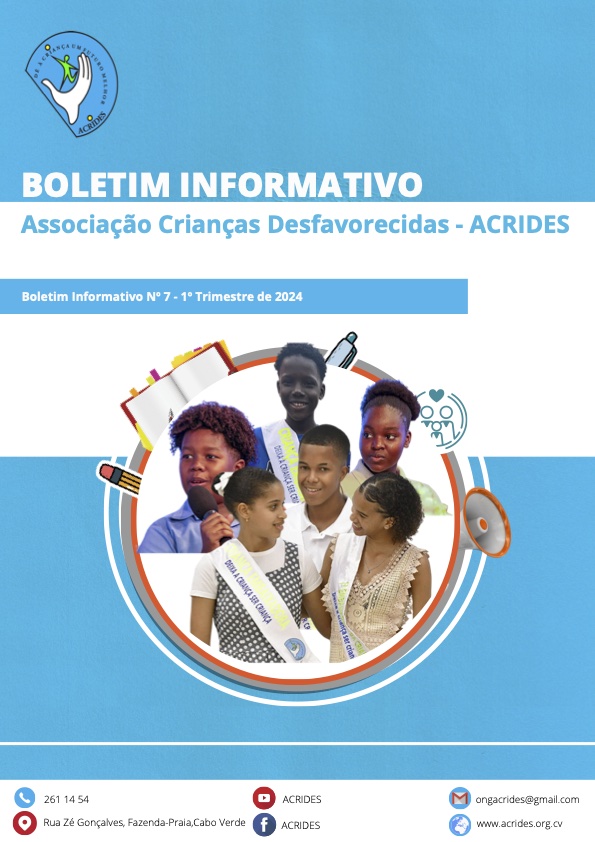
Introducing Bulletin No. 7: Activities of ACRIDES – Associação Crianças Desfavorecidas
🇨🇻 🇨🇻 🇨🇻 – Cabo Verde
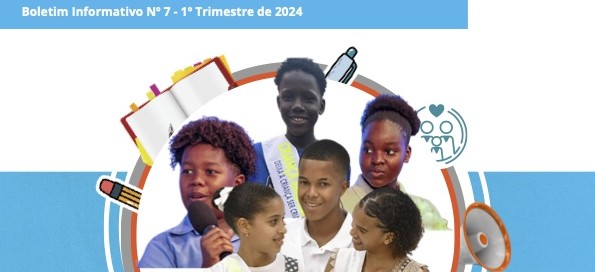
We are excited to present –> Bulletin No. 7 <–, highlighting the latest activities of World Family Organization member, ACRIDES – Associação Crianças Desfavorecidas. ACRIDES is a non-profit, private law association dedicated to promoting and defending the rights and duties of children and their families.
Founded on January 23, 1998, in the city of Praia by 15 members, ACRIDES was officially recognized on March 7 of the same year. This NGO was envisioned by its co-founder, Lourença Tavares, to advocate for children’s rights and duties. The organization operates in four main areas: Education, Health, Social Protection, and Promotion of Volunteering.
ACRIDES is endowed with legal personality and is recognized by the Government of Cabo Verde as a public utility entity, as per BO No. 23, II SERIES of June 14, 2006. The association’s philosophy revolves around social solidarity for the benefit of the most vulnerable children and families, with the primary objectives of promoting and disseminating the rights and duties of children to ensure their integral and harmonious development.
On August 7, 2019, in collaboration with the French diaspora, ACRIDES Paris was established. This branch aims to defend children’s rights and act for the protection of children in France, Cabo Verde, and beyond.
We invite you to read Bulletin No. 7 to learn more about our ongoing efforts and achievements in these crucial areas. Together, we can continue to make a difference in the lives of children and families.
#ACRIDES #ChildrensRights #Education #Health #SocialProtection #Volunteering #CaboVerde #NGO #WorldFamilyOrganization
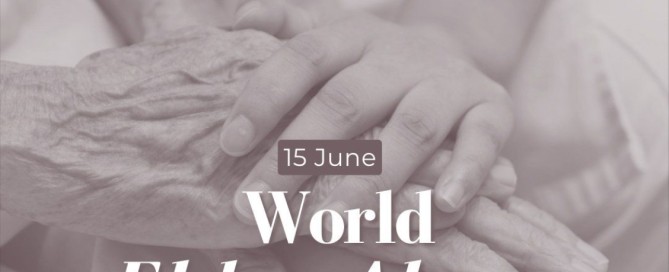
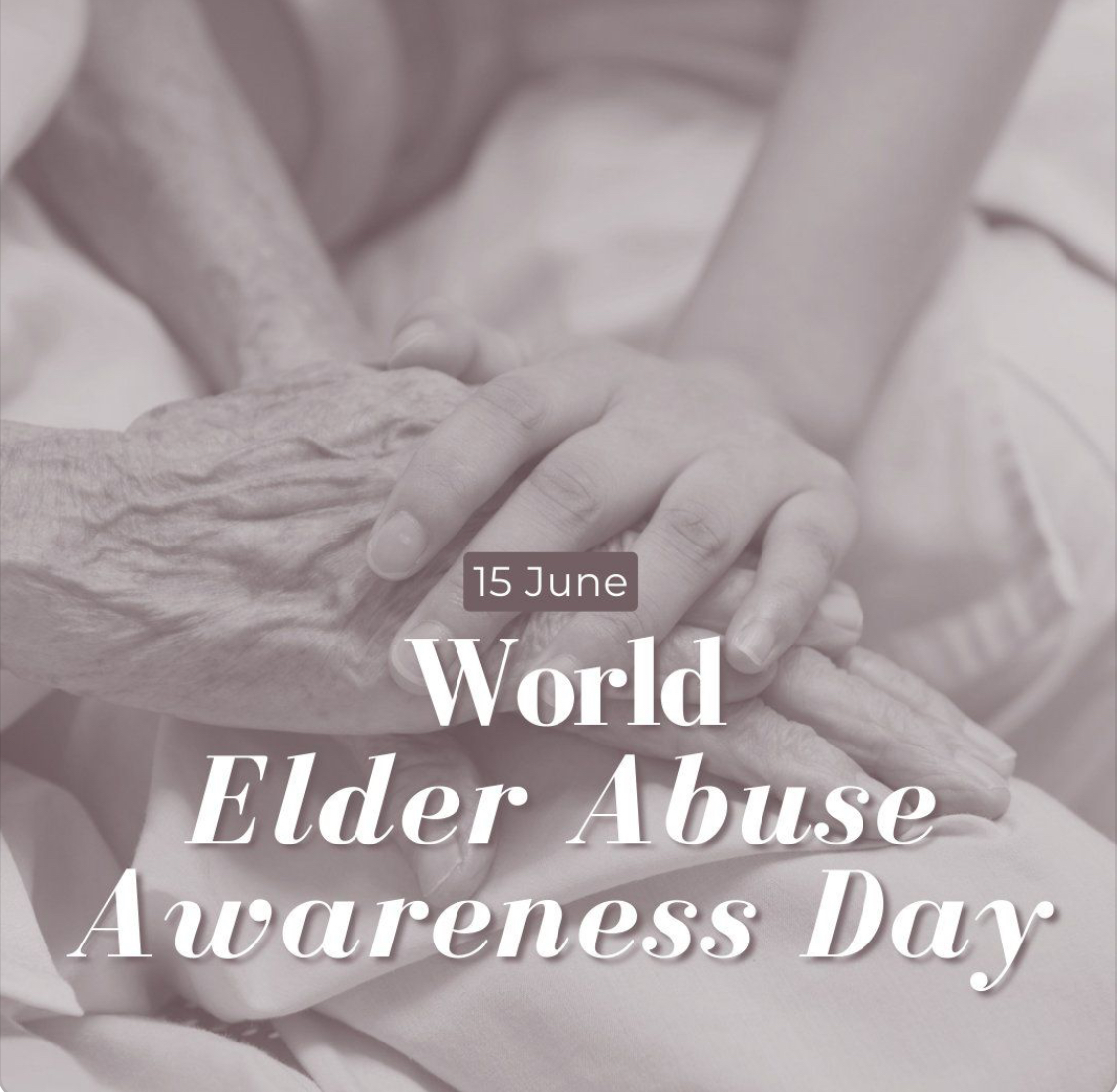
May 15, World Elder Abuse Awareness Day
Today is World Elder Abuse Awareness Day, a day dedicated to raising awareness about the mistreatment and neglect of our elderly population. As we honor our elders, it is essential to reflect on the values and traditions that form the foundation of our families and communities.
Family is the cornerstone of society, and our elders are the keepers of our history, wisdom, and traditions. They have dedicated their lives to nurturing and guiding us, passing down invaluable lessons and stories that shape our identities. On this day, let us reaffirm our commitment to protecting and respecting them.
Elder abuse can take many forms, including physical, emotional, and financial harm. It is our collective responsibility to ensure that our elders are treated with the dignity and care they deserve. By fostering environments of respect and love, we uphold the values that our elders have instilled in us.
Tradition teaches us to honor and revere our elders, recognizing their contributions and the rich legacy they leave behind. Let’s use today to educate ourselves and others about elder abuse, and to take active steps in our communities to prevent it. Checking in on our older family members, listening to their needs, and advocating for their rights are simple yet powerful ways to show our appreciation.
On World Elder Abuse Awareness Day, let us stand together to protect our elders, celebrate their lives, and uphold the values of family, tradition, and respect. Together, we can build a world where every elder is cherished and valued.
Each of us can take action to protect the elderly. Watching for warning signs, identifying vulnerable community members and other steps can make a difference:
->2024 Theme: Spotlight on Older Persons in Emergencies<-
Introducing the Working Women’s Association: Empowering Communities and Transforming Lives
The Working Women’s Association, proudly affiliated with the World Family Organization. Since our establishment in 1957, registered with the Ministry of Social Development under No. 164 in Zarqa Governorate/Rusaifah District, Jordan, have been dedicated to the holistic development and empowerment of women, children, and youth in various spheres of life.
Their Mission and Objectives
Main Objective:
– To develop and Empower the local community, focusing on women, children, and youth in all areas of life.
Sub-objectives:
- Political, Economic, Social, and Legal Empowerment of Women:
– Their work tirelessly to ensure women are empowered across all sectors, advocating for their rights and opportunities.
- Preventing Violence and Exploitation:
– They launch campaigns and gain support to prevent violence against women and girls and protect them from exploitation.
- Youth Leadership Development:
– They activate the roles of young men and women in society, creating youth leaders capable of enacting positive change.
- Support for Farmers:
– They empower farmers by helping them rehabilitate their agricultural lands.
- Inclusion and Empowerment of People with Disabilities:
– They involve people with disabilities in their communities, raising awareness about their rights and empowering them.
- Education and Care for Children:
– They prioritize teaching and caring for children, ensuring they have a solid foundation for their future.
Current Projects (2023 – 2024)
- Strengthening Women’s Civil Society Organizations:
– This project focuses on implementing the agenda of women, security, and peace. Their combat violence against women by operating the Women’s Guidance and Awareness Center and the Aman Center. These centers provide protection, psychological, social, and legal counseling services, vocational rehabilitation, and training for abused women. Their also produce detailed reports on the cases Their handle to inform future interventions.
- Activating Youth Roles for a Safe Environment:
– They educate women and girls about their economic rights through dialogue sessions, debates, and awareness workshops. Their train young people in interactive theater to highlight economic violence against women in the private sector.
- They Lead for Comprehensive Health:
– This project involves community awareness sessions about comprehensive health, promoting Theirll-being among the community members.
- Sewing Workshop:
– An ongoing project where Their train women to print environmental bags, hem the shemagh, and teach embroidery, providing them with valuable skills.
- Kindergarten:
– They operate a kindergarten as part of our commitment to early childhood education and care.
- Economic Empowerment Project:
– Funded by the Euro-Mediterranean Feminist Initiative, this project qualifies women for the labor market, enhancing their economic empowerment.
- Increasing Women’s Economic Participation:
– They strive to provide a safe and decent environment for women in the labor market, including offering safe childcare options after school hours. This initiative helps increase family income, improve economic conditions, and support the growth and psychological development of children.
Commitment to Community and Advocacy
The Working Women’s Association remains steadfast in our commitment to empower and support their community. They believe in the potential of every woman, child, and young person to contribute to a better society. Through our diverse projects and unwavering dedication, They aim to create a safer, more equitable, and prosperous environment for all.
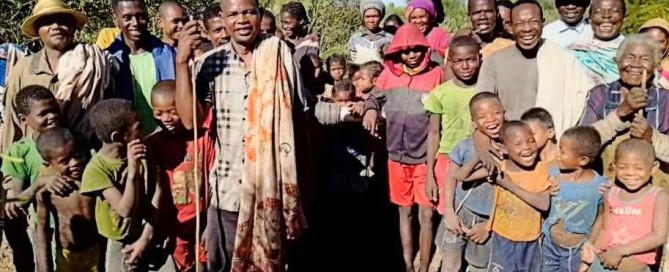
The Family Africa – Madagascar Team – May / June 2024
🇲🇬 🇲🇬 🇲🇬 – Madagascar
Last month was quite busy for The Family Africa, a proud member of the World Family Organization, as they launched several new projects in Madagascar. These initiatives included the establishment of a community health program aimed at providing essential medical services and education to underprivileged families, as well as a vocational training center designed to empower local youth with valuable skills for the job market. Additionally, The Family Africa started a nutrition program to combat malnutrition among children, ensuring they receive the proper nutrients for healthy development. These projects reflect The Family Africa’s ongoing commitment to improving the lives of families and fostering sustainable development in Madagascar.
Bruno et Françoise, Madagascar Team,
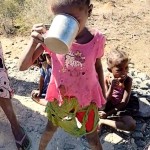
We started to build a house for a young single mother, Émilie, and her 3 children.
The husband/father abandoned them years ago. Life is difficult for them as Émilie struggles to scrape out a living to feed her family and cover her growing children’s school and clothing expenses, occasional medical needs, and the rent of the tiny, dark room they are living in. We just started building them a small house, a couple of weeks ago, on the outskirts of Antananarivo, the capital city.
It will be a new beginning for this family, as they will be able to leave their small insalubrious room to live in a more healthy environment, in a comfortable and clean house with plenty of fresh air. Vounie and Haja, our long-term friends, and coworkers, who also supervise the abandoned mothers center, are supervising the work.


* * *
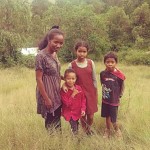
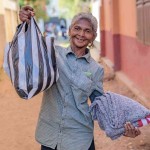
Distribution of food items (rice, dry beans, sugar, and oil) and blankets (because the austral winter is coming soon) to 70 underprivileged families in the Antsahakely neighborhood.

* * *
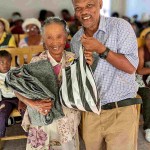
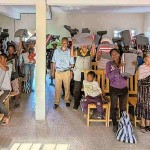
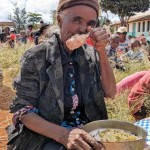
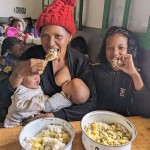
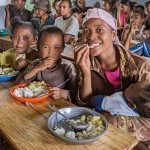
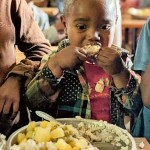
“We’ve never had such a good meal!” exclaimed the 220 poor people from the slums of Antsirabe, a city located 170 kms south of Antananarivo, who were happy to receive such a large nutritious meal. On the menu, there was chicken, plenty of very nutritious local rice, potatoes, and peas.
* * *
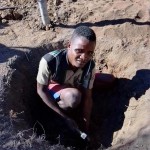
Finally, after a month and a half of work, water was found at a depth of 15 meters !!
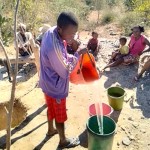
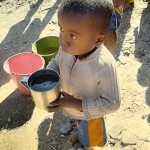
The work took longer than for the previous wells, because Andafy Saka is a village located in a rocky region, and the workers came up against extremely hard rock, which they had to break by hand with the “tools of the trade”, i.e. hammers, stakes and shovels! The well is not completely finished, the curbstone still needs to be built, but as soon as it was announced that they had found water in this village of 1300 inhabitants, the villagers rushed to taste it and fill their buckets! No more long walks to fetch unclean muddy water !
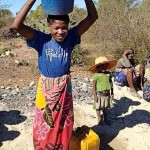
Last week, work started on yet another well being dug because there is such a need for clean water in these arid bush villages. This time, in a village called Belafiky.
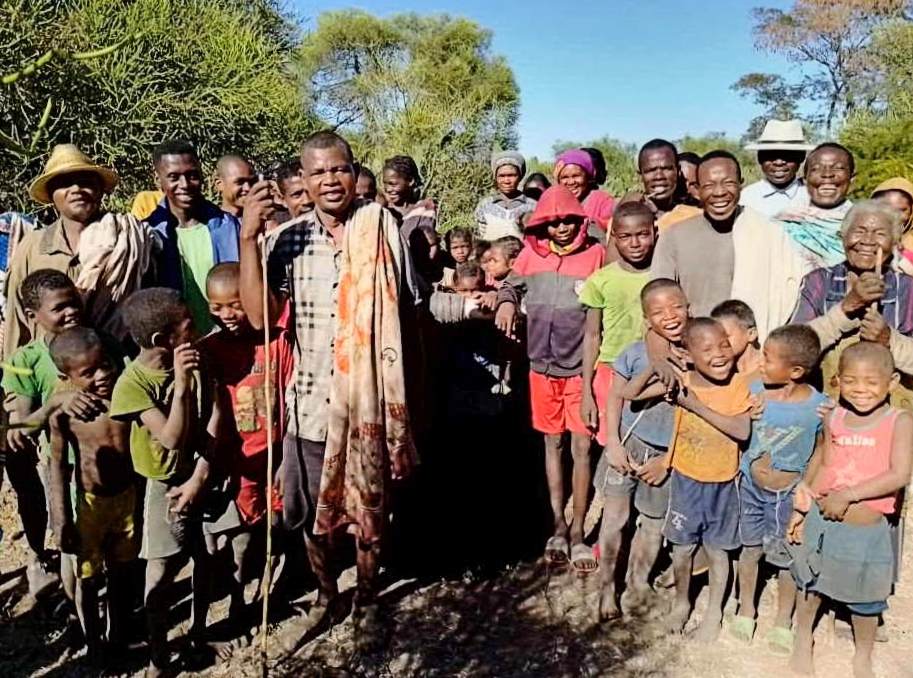
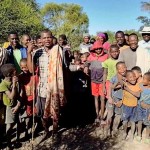
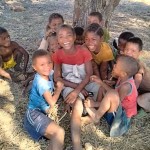
As you can see on the photos, the villagers are rejoicing because they have just heard the very good news that a well is about to be dug in their vast village of 2,700 souls !
* * *
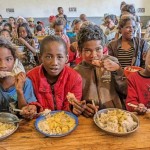
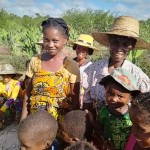
Food canteens : we said it before, but lunchtime is one of the best times of the day for these poor school children, as it is their best meal, and for some, their only meal of the day . Since we have already included many photos, we just chose a few happy faces of the Fenomanana and Alpha 2 canteens, as well as photos of the Friday intergenerational meal, at the Alpha 1 center, with the residents of our New Hope center.
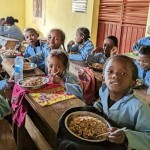
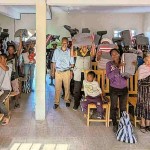
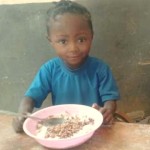
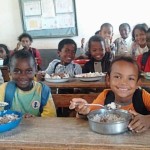


#investinfamilies #thefamilyafrica
Lebanese Social Responsibility (LSR) Launches Holistic Strategy to Empower Families
🇱🇧 🇱🇧 🇱🇧 – Libanon
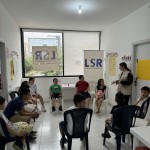
In a groundbreaking initiative, Lebanese Social Responsibility (LSR), member of World Family Organization, has introduced a comprehensive holistic strategy aimed at supporting and empowering all members of the family through a series of targeted activities. This new approach underscores LSR’s commitment to fostering strong, resilient families by addressing their diverse needs in an integrated manner.
The holistic strategy at LSR includes a wide range of programs and activities designed to benefit every family member. Key components of the strategy encompass educational support, health and wellness initiatives, economic empowerment programs, and social integration efforts. By focusing on these critical areas, LSR aims to create a supportive environment where families can thrive and overcome challenges together.
Educational support initiatives include tutoring and after-school programs for children, as well as adult education and vocational training for parents. Health and wellness programs provide access to medical services, mental health support, and nutritional guidance, ensuring that all family members can lead healthy lives.
Economic empowerment is another cornerstone of LSR’s holistic strategy. Through job training, financial literacy workshops, and microcredit opportunities, LSR helps families achieve financial stability and independence. Additionally, social integration activities, such as community events and support groups, foster a sense of belonging and mutual support within communities.
LSR’s holistic strategy reflects its belief that the well-being of each family member is interconnected and that comprehensive support is essential for long-term success. By addressing the multifaceted needs of families, LSR is paving the way for a more resilient and empowered society.
This innovative strategy not only strengthens individual families but also contributes to the broader goal of sustainable community development. LSR invites all stakeholders, including local communities, partners, and policymakers, to join hands in this endeavor to create a brighter future for families across Lebanon.
Understanding the importance of addressing the needs of the entire family unit, LSR have developed a comprehensive approach that includes the following initiatives:
1) For Kids:
We are conducting Psychosocial Support (PSS) activities designed to help children cope with stress, build resilience, and foster a sense of normalcy and security in their lives.
2) For Mothers:
Our programs for mothers focus on positive parenting techniques and awareness sessions on various topics. These sessions aim to equip mothers with the skills and knowledge they need to create a supportive and nurturing environment for their children.
3) For Fathers:
Recognizing the unique challenges that fathers face, we offer stress management sessions to help them navigate their roles more effectively and contribute positively to family dynamics.
LSR believe that by addressing the specific needs of each family member, we can create a more cohesive and supportive family environment. This holistic approach not only strengthens individual family members but also fosters a healthier and more resilient community.
#investinfamilies #LebaneseSocialResponsibility

Key Findings from the Second Annual Eurocities Pulse Mayors Survey
🇪🇺 🇪🇺 🇪🇺 – Europe
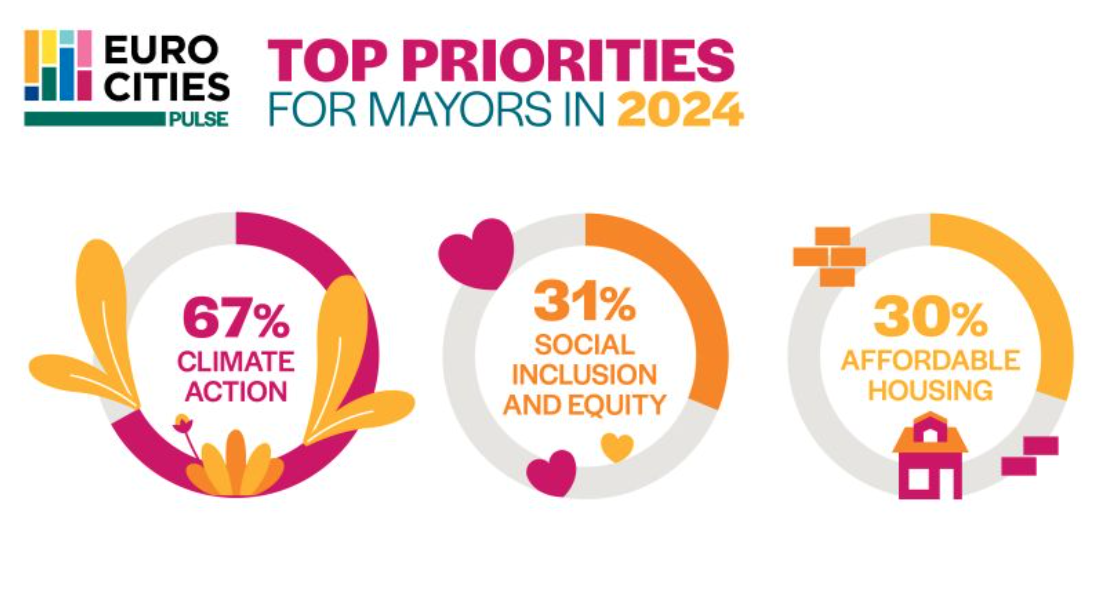
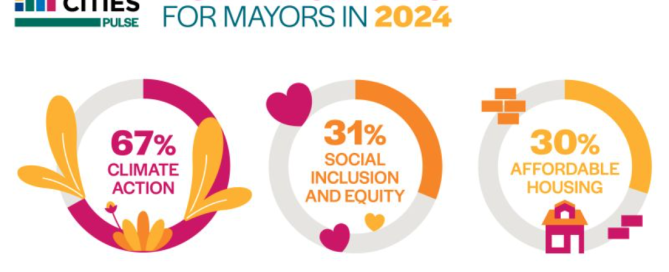
The second annual Eurocities Pulse Mayors Survey has unveiled some critical insights into the major trends, challenges, and priorities shaping urban affairs in 2024. A total of 92 mayors from 28 Eurocities countries participated in the survey, providing a comprehensive analysis of the current urban landscape.
Among the key findings, the survey highlights the growing importance of local governance in addressing global challenges. This aligns with the long-standing stance of the World Family Organization, which has consistently advocated that support for families and the achievement of Sustainable Development Goals (SDGs) can only be truly effective if implemented at the local and municipal levels.
The survey’s results underscore the need for robust local policies and initiatives that directly impact communities and families. By focusing on localized efforts, cities can more effectively tackle issues such as social inequality, environmental sustainability, and economic development, ultimately contributing to the broader global agenda.
The World Family Organization reaffirms its commitment to working closely with municipalities and local governments to ensure that family support mechanisms and sustainable development initiatives are practical, impactful, and responsive to the unique needs of each community.
As urban areas continue to evolve and face new challenges, the insights from the Eurocities Pulse Mayors Survey will be instrumental in guiding future policies and actions that promote the well-being of families and the sustainable development of cities.
You can see the full results –> HERE <–

The Family Africa – newsletter March – May 2024!
🇿🇦 🇿🇦 🇿🇦 – South Africa
Proud to share the work done by ou member “The Family Africa“, during March – May 2024
Please click on the blue headings for more
These last few months have been incredibly busy and we have been making excellent progress in many different areas.
Please read on to find out more….
EDUCATION
Training pre school teachers both through accredited South African qualifications
This year NQFs 4 and 5 courses are running again this year two days a week at our centre. More
It is very hard work and they take well over a year to complete but the teachers are enthusiastic to gain these qualifications
which are required by the South Africa Basic Education Department
Workshops
New this year: For Parents: How to Help your child succeed at school : 50 parents attended
Practical tips which can be easily implemented to help children succeed. Education begins in the family!
For Pre school Teachers; Teaching Character Building where we also distributed
work book sets to 23 schools -a total of 850 books
Read about this workshop as we are planning a new project based on our findings.
One local school has already referred 130 children from Grades 4-7 who cannot read.
It is a big challenge here you may be shocked by South Africa’ assessment results. Click on the heading to find out more.
Phonics – Advanced. 30 different Early Learning Centres attended.
This was a result of the Early Learning Centres reporting this was their biggest need right now as so few understood this topic.
We recommended a free app and showed teachers how to use it plus used training video clips and songs to illustrate the topic.
Classes for teenagers from Grade 4-12 continue to grow and overall we see an improvement in scores in the their school reports.
We have new and very talented tutors who are really inspiring the students to make progress. More
The Daily Curriculum planners and resources are being sent out to 96 teachers every week.
The Community Outreach reading programme continues to inspire the children and motivate the teachers in participating Early Learning Centres around the townships. More on this programme More More Feedback
The children at our Free of charge Early Learning Centre have been having a wonderful time not only with their scholastics but also exciting art projects which are volunteer art teacher is running at the centre. Do look at some of the pictures. More art Yet more If you enjoyed those
We believe in life long learning so we start early with our baby and toddler group
where they have access to paper and crayons, story time and songs and educational toys.
Help for undocumented children.
It is a big challenge : we have children who are not able to get into school because of lack of documentation,
even though the South Africa Constitution is one of the most progressive ones in the world and allows
for all children within its borders to receive an education.
We have some very helpful lawyers who have given us documented legal advice
and we while we are waiting to find them places we have started a Grade 1 class for them
so they are able to keep up with the work they would be doing at school.
Our Reading Clinic for struggling readers continues to be over subscribed but
nevertheless the children are not only overcoming their long term reading struggles but actually enjoying reading.
Maths and English Literacy programmes for adults with fours classes a week for 100 women ( and a few men)
have been covering topics which are relevant for job seeking as well as improving the learners skills in basic literacy.
The Enrichment Centre was running during the holidays so we can cater for other Early Learning Centreswhile our children are on school break.
Reading lessons, hand-eye coordination excercise, outdoor games etc.
A new addition: Sign Languages Classes for the relatives are deaf people so they can communicate with their loved ones.
Our staff are also learning how to use sign language and not only are they enjoying it but we hope it will be a useful skill in the future.
We encourage our support group members to learn new skills and 8 of them recently went on an agriculture course.
Here are a few of them in their graduation picture.
HEALTH
HIV testing and health campaigns in the community – we have been running this every month of this year so far
and we always get a good response wherever we pitch our Medical Testing tent.
Feeding schemes which run hand in hand with our support groups with HIV and /or TB provide a nutritious diet for our support groups.
The members receive fruit, vegetables, bread, meat and milk.
Last year our van which we use for picking up and delivering food was stolen and this caused us to restructure our delivery system.
Ten months later in March of this year,amazingly, it was found and is making the job much easier.
However we feel that the restructuring we were forced to do has actually assisted us in streamlining the feeding schemes.
Our food garden which is now double the size it was is also producing more vegetables to share.
The Health Awareness workshops have been running twice a week as usual along with additional topics such as
Mental Health, Drug and alcohol abuse, etc
Distribution of Medical Supplies.
We distribute wheel chairs and adult incontinent and sanitary products not only for our support group members
but also the local clinics and surrounding areas.
We had some requests from two clinic in Zimbabwe this year who are operating with little or no supplies.
So far we have organised four shipments to them and they are so thankful!
A BIG thank you to all our sponsors who make all these projects possible.
You can contact us by email on familyafrica@mweb.co.za or rachaird@gmail.com
Whatsapp only not calls: Rachel +27 826438029